Our Conservation Commitment
Built for the forest from the beginning.
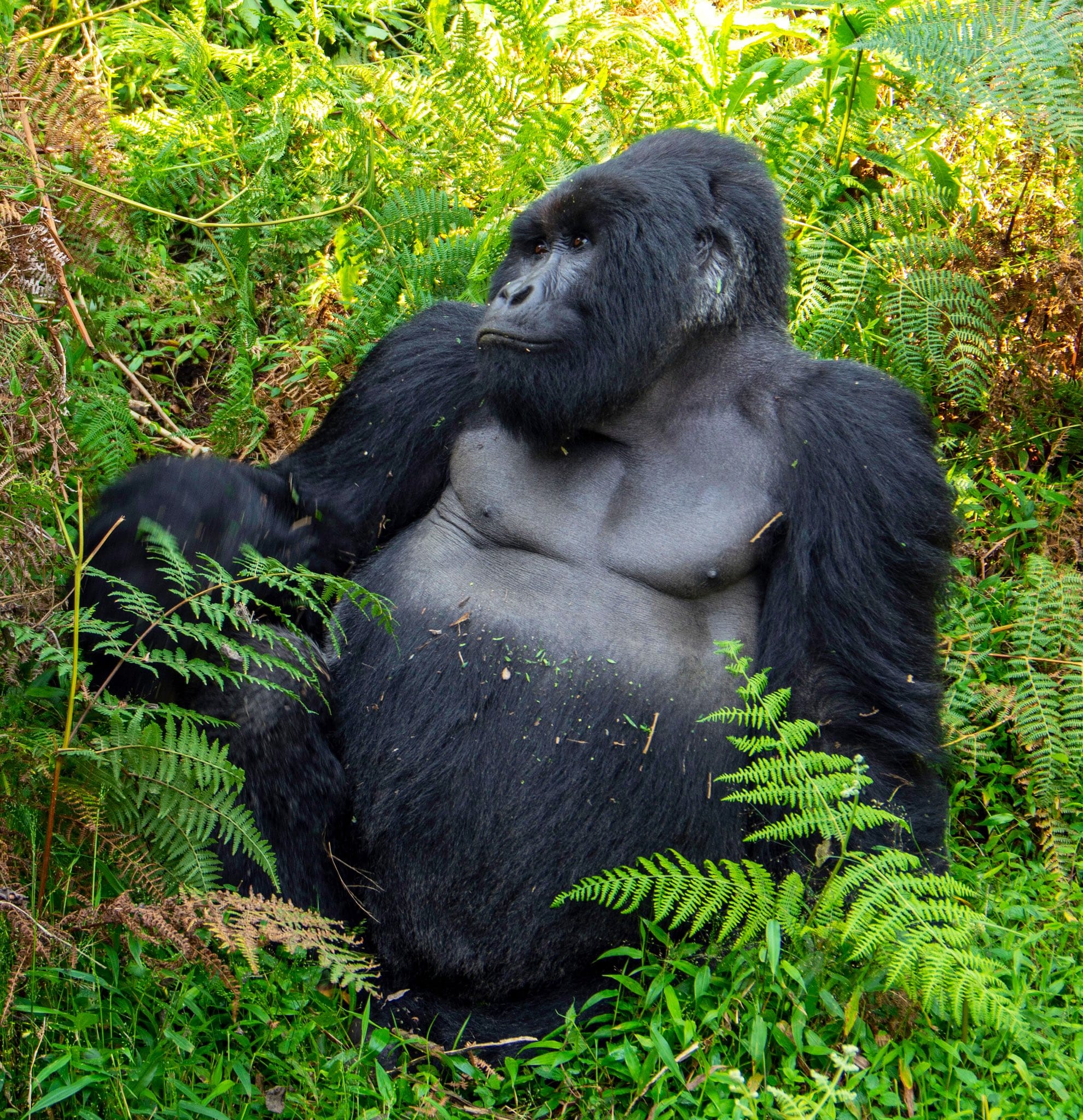
Bwindi House Gorilla Safaris was created around a simple belief: a gorilla journey should contribute to the forest that makes it possible. Our model is built so every booking supports conservation, community benefit, and transparent reporting, recorded as journeys are operated and published once a year.
No inflated claims. No hidden giving. Every commitment will be tracked and published.
The Conservation Economy
A living gorilla must be worth more than a dead one.
Gorilla tourism works when the forest, the wildlife authority, local communities, guides, porters, lodges, and visitors all benefit from the same outcome: living gorillas in a protected forest.
Bwindi House Gorilla Safaris exists to bring guests into that system responsibly, with clear planning, regulated permits, respectful travel, and measurable contribution. Tourism alone does not protect gorillas. It is one part of a wider conservation system, and our role is to participate in it well.
The Official Protection System
Your permit is the first conservation act.
Every gorilla trek or habituation experience begins with an official Uganda Wildlife Authority permit. That permit is not just an entry ticket. It supports the regulated system that makes gorilla tourism possible, including park management, ranger presence, conservation work, and community benefit mechanisms.
01
Regulated access
Gorilla visits are limited by date, group, and permit availability. Maximum eight guests per gorilla group per day.
02
Ranger and park management
Official permits support the national system that manages and protects the park.
03
Community benefit
Gorilla tourism generates direct and indirect income through guiding, porter work, lodge employment, transport, crafts, food supply, and local services.
04
Responsible visitor behaviour
Guests are briefed before entering the forest and travel under official rules and ranger guidance.
Our Commitment
We are building a transparent conservation model.
Our first responsibility is to be honest. We will not claim impact before it is earned. Bwindi House Gorilla Safaris operates on a clear contribution model, a public ledger, and partner-led support for conservation and community priorities around the forest, reported on an annual cycle.
Defined contribution
A defined portion of every Bwindi House Gorilla Safaris journey is committed to conservation and community support on every booking.
Allocated through partner-led channels and published in the Bwindi House Gorilla Safaris Ledger.
Public ledger
Contribution records will be published so guests can see what was supported, when, and through whom.
Tracked over time. Not claimed in advance.
Partner-led giving
We work through credible local and conservation partners rather than invent our own projects too early.
Partners added carefully, only when relationships are confirmed.
Guest education
Every traveller receives clear guidance on permits, forest rules, porter support, community sensitivity, and responsible wildlife viewing.
Briefed before the forest. Supported after the trek.
Tracked, Not Claimed
The Bwindi House Gorilla Safaris Ledger
Our conservation contribution is recorded as each journey is operated and published as a single, plain-language ledger at the close of every financial year. Guests, partners, and future travellers can see what was supported, through whom, and where it went.
The Ledger
Published annually, at the close of each financial year
What it records
- Journeys operated in the period
- Contributions committed and paid
- Partners and focus areas supported
- Notes on what changed and why
How it is prepared
- Reconciled against journey records
- Confirmed with partners before publication
- Written in plain language, not marketing copy
- Kept in a public archive year on year
What it will not contain
- Estimated or projected figures
- Backfilled entries from earlier periods
- Partner names used without permission
- Numbers that cannot be reconciled
Next publication: at the close of the current financial year.
See the commitment behind it →Focus Areas
Where our support will go
Gorilla conservation
Support for the systems that protect mountain gorillas and the forest habitat they depend on.
Porter and guide welfare
Encouraging porter use, fair field practice, local guiding, and better guest education.
Community benefit
Support for community-led projects around Bwindi, especially those linked to conservation incentives.
Responsible travel education
Clear visitor preparation so guests enter the forest with respect, realistic expectations, and low impact behaviour.
Research and monitoring
Future partner area. Confirmed projects will be added to the ledger once relationships are in place.
Future partner area
Your Role
Travel with a lighter footprint and a clearer purpose.
A responsible journey is a series of small, deliberate choices. We handle the planning. Your part is to travel under the official system and trust the people who guide you.
01
Permit secured responsibly
Booked through the official Uganda Wildlife Authority system.
02
Porter support encouraged
A small daily fee for a local porter can support household income near the forest and ease the trek.
03
Community visits handled respectfully
Cultural visits arranged through local hosts on terms they have set.
04
Contribution recorded
Your journey's conservation contribution is recorded in the Bwindi House Gorilla Safaris Ledger.
05
Post-journey update shared
Where verified information is available, you receive a short note on what your journey supported.
Our Standard
No inflated claims.
We will not use conservation as decoration. We will not claim projects we have not funded, partnerships we have not signed, or results we cannot prove. Our impact page will grow as the work grows.
We will not invent donation numbers.
We will not use partner logos without permission.
We will not call ourselves conservation leaders before the work proves it.
We will not hide how contributions are calculated.
We will update claims when facts change.
Building Carefully
The partners we are looking for
Bwindi House Gorilla Safaris will prioritise partnerships with organisations already working on gorilla conservation, community health, porter welfare, local guiding, forest protection, education, and responsible tourism. Partners will be named only when relationships are confirmed.
Gorilla conservation organisations
Groups already working on mountain gorilla protection in Uganda and the wider Virunga region.
UWA linked conservation efforts
Initiatives connected to the Uganda Wildlife Authority and the official park system.
Community led initiatives
Locally governed projects that put decision making with the people who live beside the forest.
Porter and guide welfare groups
Organisations supporting field workers who make safe, ethical trekking possible.
Responsible lodge partners
Lodges that share our standards on staffing, sourcing, and forest behaviour.
Research or education institutions
Future partner area. Confirmed only once formal relationships are in place.
Annual Reporting
What we will publish
At the close of each financial year, Bwindi House Gorilla Safaris publishes a plain-language impact summary covering journeys operated, contributions made, focus areas supported, partners involved, lessons learned, and commitments carried forward.
Reports are added to a public archive and remain available year on year.
Annual report contents
- Number of journeys operated
- Total guest nights
- Total contribution committed
- Total contribution paid
- Supported partners and projects
- Guest education improvements
- Responsible travel updates
- Next year commitments
Frequently Asked
Conservation questions, answered honestly.
How does gorilla trekking support conservation?
Official Uganda Wildlife Authority permits are part of the system that funds park management, ranger presence, and community benefit mechanisms around Bwindi. Tourism is one part of a wider conservation system involving the authority, communities, rangers, researchers, guides, lodges, and visitors.
Does Bwindi House Gorilla Safaris donate part of each journey?
Yes. A defined portion of every Bwindi House Gorilla Safaris journey is committed to conservation and community support, tracked through the Bwindi House Gorilla Safaris Ledger. The current allocation is available on request.
Where does the gorilla permit money go?
Permit fees support the regulated system that makes gorilla tourism possible, including park operations and community benefit mechanisms governed by the Uganda Wildlife Authority. For the current official allocation, refer to the UWA tariff. [NEEDS CONFIRMATION: official UWA allocation source]
How will Bwindi House Gorilla Safaris report its conservation contribution?
Through a public ledger and a plain-language impact summary, published together at the close of each financial year and kept in a public archive.
Do guests receive an impact update after travel?
Where verified information is available, yes. We prefer to share a short, accurate note rather than a polished claim.
Can guests support a specific conservation or community project?
Once partner relationships are confirmed, guests will be able to direct their journey contribution toward a published focus area.
Are Bwindi House Gorilla Safaris conservation partners confirmed?
We are building partnerships carefully and will not list partners publicly until relationships are formalised. Confirmed partners will appear in the ledger.
How does Bwindi House Gorilla Safaris avoid over tourism?
We operate within the official permit system, which limits visits by date, group, and family. Group size in the forest is capped at eight guests per gorilla group per day.
Should guests hire a porter?
We encourage it. A porter eases the trek, supports safety, and directs income to local households living next to the forest.
How does responsible travel help communities around Bwindi?
Through guiding work, porter income, lodge employment, transport, crafts, food supply, and locally led cultural experiences, with conservation incentives that make a living forest valuable.
Join the Conservation
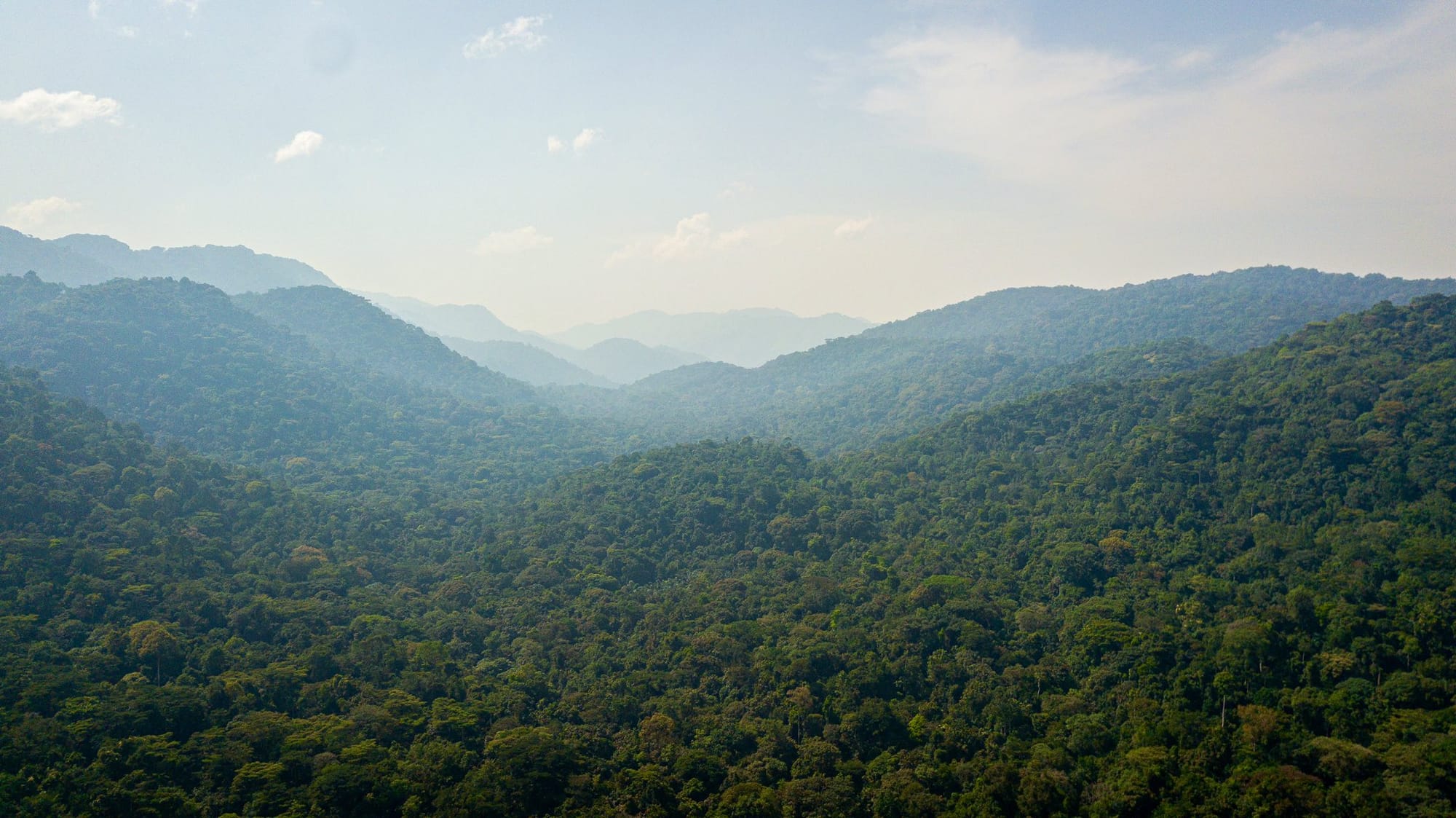
Your journey should leave more than footprints.
When you travel with Bwindi House Gorilla Safaris, you enter the forest through a system built on permits, protection, local expertise, and accountability. Begin with the gorillas. Leave with a clearer connection to the place that protects them.