There are things we tell every first timer at our initial briefing, and things we have learned to add after watching the same expressions of surprise, discomfort and delight repeat themselves year after year. No amount of online research quite prepares you for them. This is the honest list.
1. The roads are an event in themselves
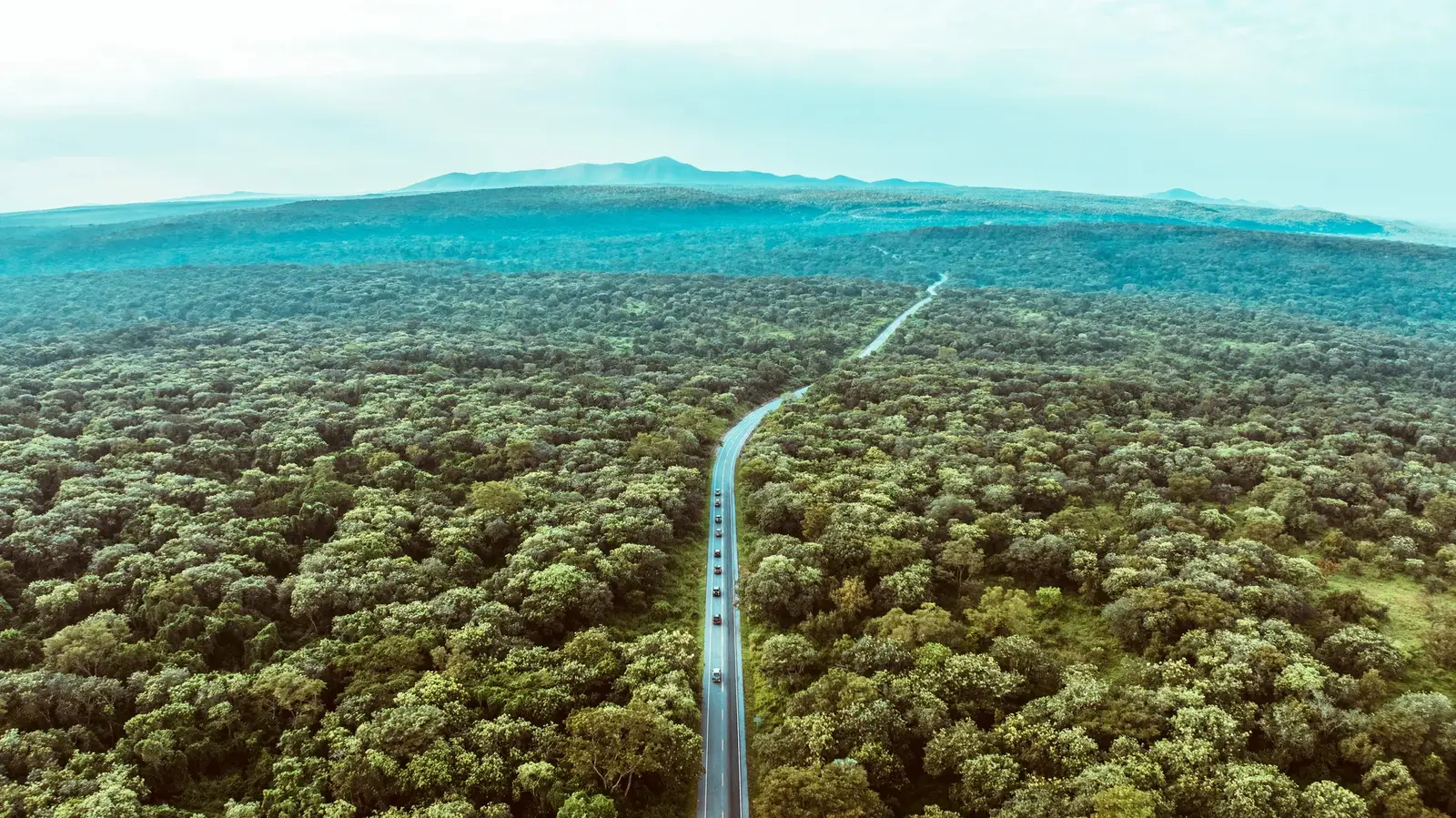
The road from Kampala to Bwindi, or Kabale, or Queen Elizabeth, is long, beautiful, and frequently corrugated. It is not fast. Budget a full day. Bring something to read. Look out the window. The Albertine Rift views are among the most extraordinary in Africa. But do not budget for six hours and arrive surprised when it is nine. Most Bwindi House Gorilla Safaris guests fly the long legs and drive only the scenic ones for this reason.
2. Altitude is real
Bwindi sits between 1,190 and 2,607 metres above sea level. The gorilla trekking areas are in the upper sections. If you are flying in from sea level, give yourself a day to acclimatise before trekking. Altitude affects exertion, appetite and sleep. It is not dramatic at Bwindi elevations but it is real.
3. Your guide will walk faster than you
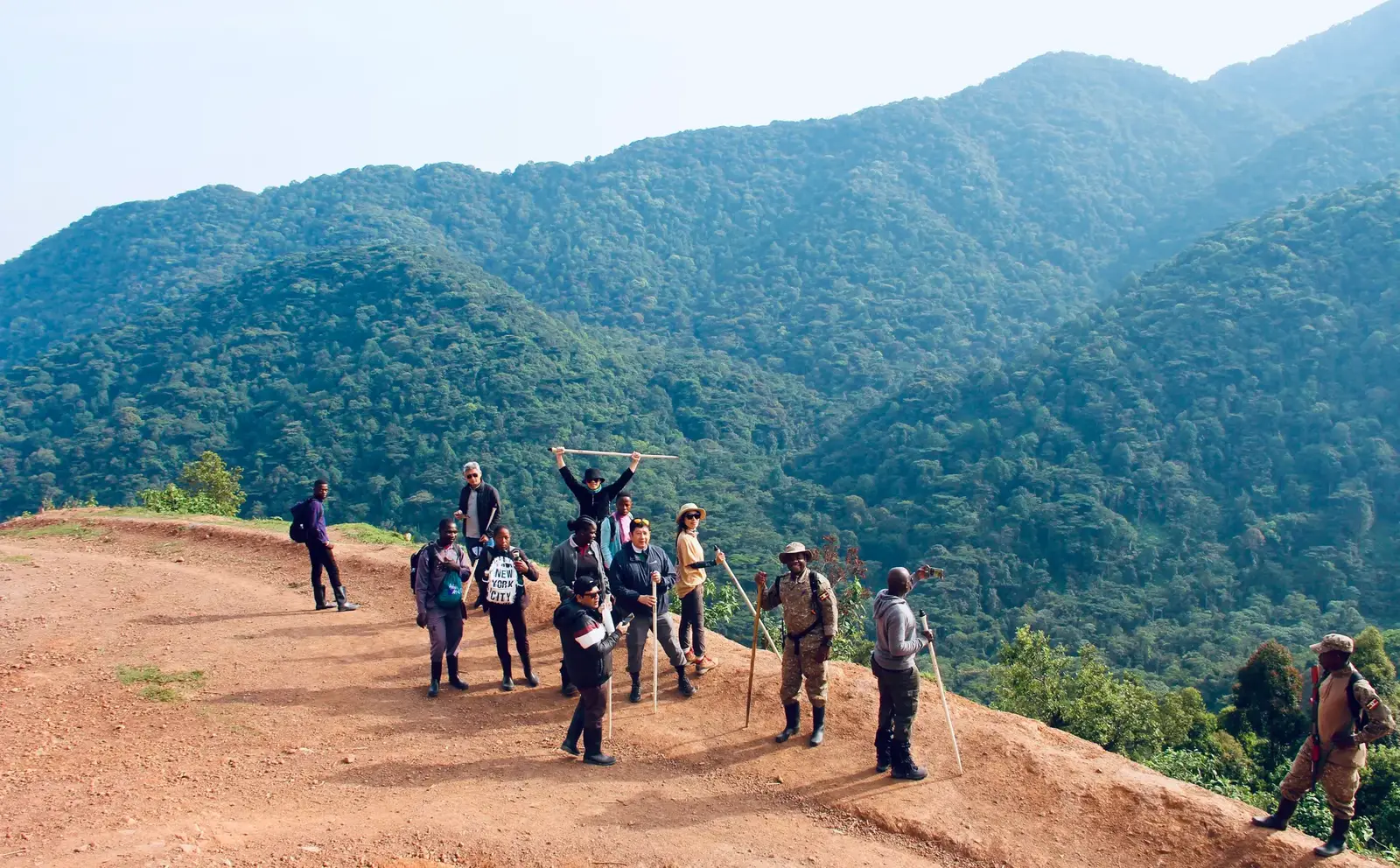
This is not arrogance. It is a lifetime of moving through this terrain. Watch his feet, not where you are going. He will intuitively take the best line through the vegetation. Follow his footsteps exactly. He is choosing the driest ground, the firmest root, the least slippery section. He has done this thousands of times.
The rest of the list
- The equatorial sun is fierce even in the forest. SPF 50 on any exposed skin, every day.
- Local SIM cards cost approximately $1 and data is cheap. Airtel and MTN have coverage in most populated areas.
- Ugandan food is excellent. Matooke (steamed green banana), groundnut stew, and nyama choma (roasted meat) are staples. Do not leave without eating properly.
- Tipping culture matters. Plan on $20 for your tracker after a gorilla trek, $15 for your porter, and 10 percent at lodges. This is significant income to the people involved.
- Roosters start at 4am. In villages, they are not isolated events. They are a call and response choir across the hillsides. Bring earplugs if you are a light sleeper.
- Wildlife is not guaranteed. This is wild country. A gorilla family may have moved further than expected. A shoebill may not be in its usual spot. That is the nature of real encounter, and the honesty of it is part of what makes a sighting mean something.
- Ugandans are warm, curious and direct. Smiling and saying Oli otya (how are you) will open every interaction you have.
- Power cuts happen. Bring a portable charger. Good lodges have backup generators, but carry one anyway.
- Yellow fever vaccine is not optional. Uganda requires proof of vaccination at the border. No exceptions.
Written by
Vincent Arihoruhanga
Founder, Bwindi House Gorilla Safaris.