After years of leading guests into Bwindi, one thing is certain. No two treks are the same. It is the truest thing I know about this work, and the reason I keep writing about it.
What follows is not a brochure. It is the honest account I give every guest who books a Bwindi House Gorilla Safaris journey before they arrive. If you are choosing to spend an hour with one of our closest living relatives, you should know what that hour actually asks of you, and what it gives back.
What the brochures leave out
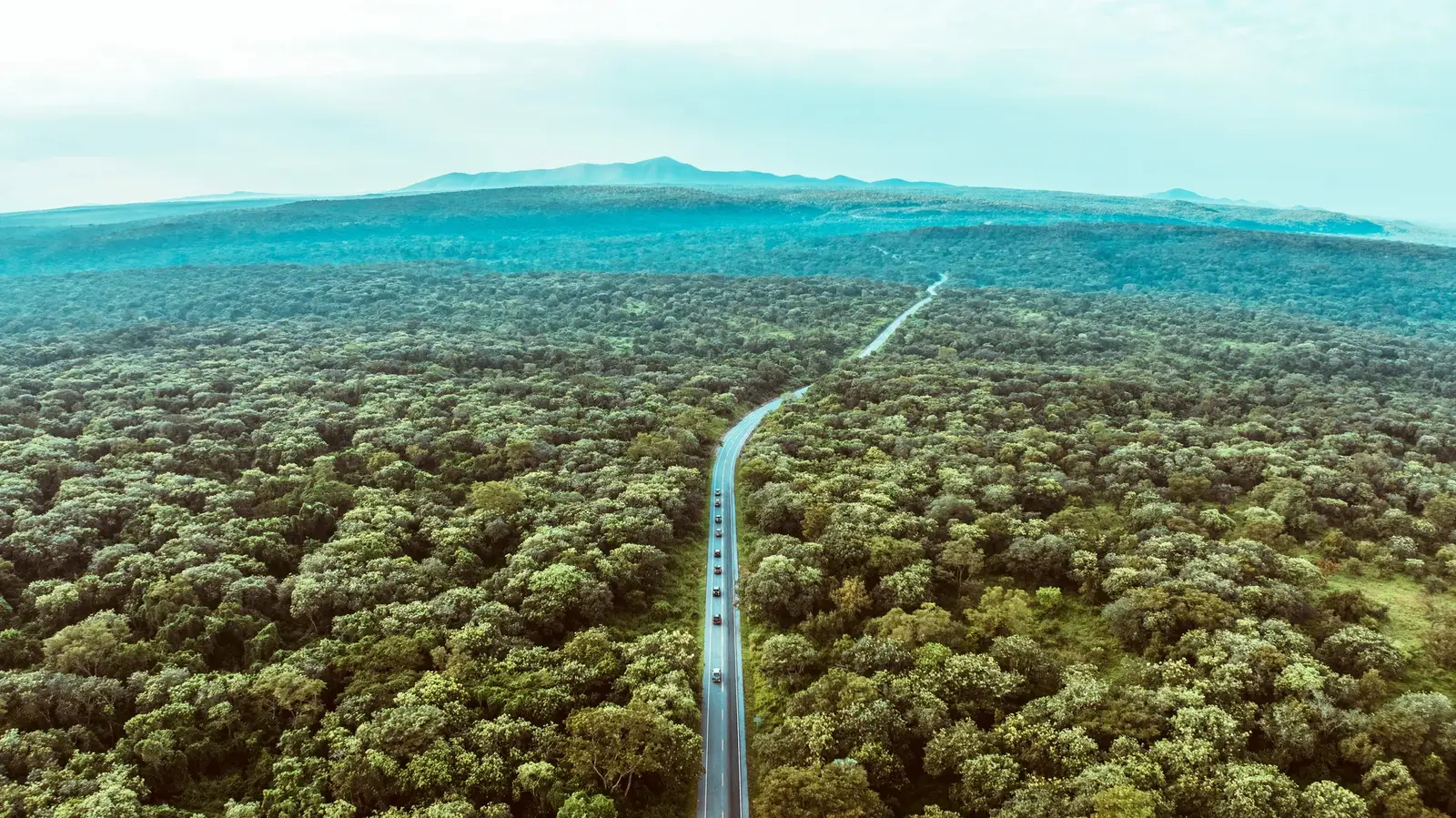
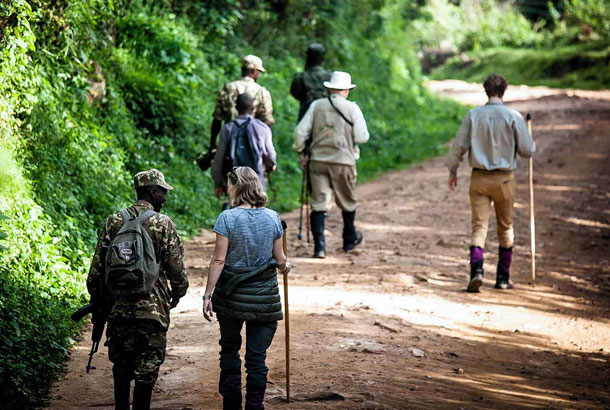
Gorilla trekking is marketed, understandably, as a transformative encounter with one of our closest relatives. The images show a silverback in dappled light, or an infant swinging from a vine. What the images do not show is the two, sometimes four, sometimes seven hours of climbing through cloud forest to reach that moment. The mud. The nettles. The altitude. The fact that your legs will feel it for three days afterwards.
I am not saying this to discourage you. I say it because when guests arrive knowing the full picture, the encounter is invariably deeper. When you have earned those seven metres through effort, when your lungs are burning and your boots are coated in clay and your guide suddenly raises a hand and goes still, the moment that follows is unlike anything else on Earth.
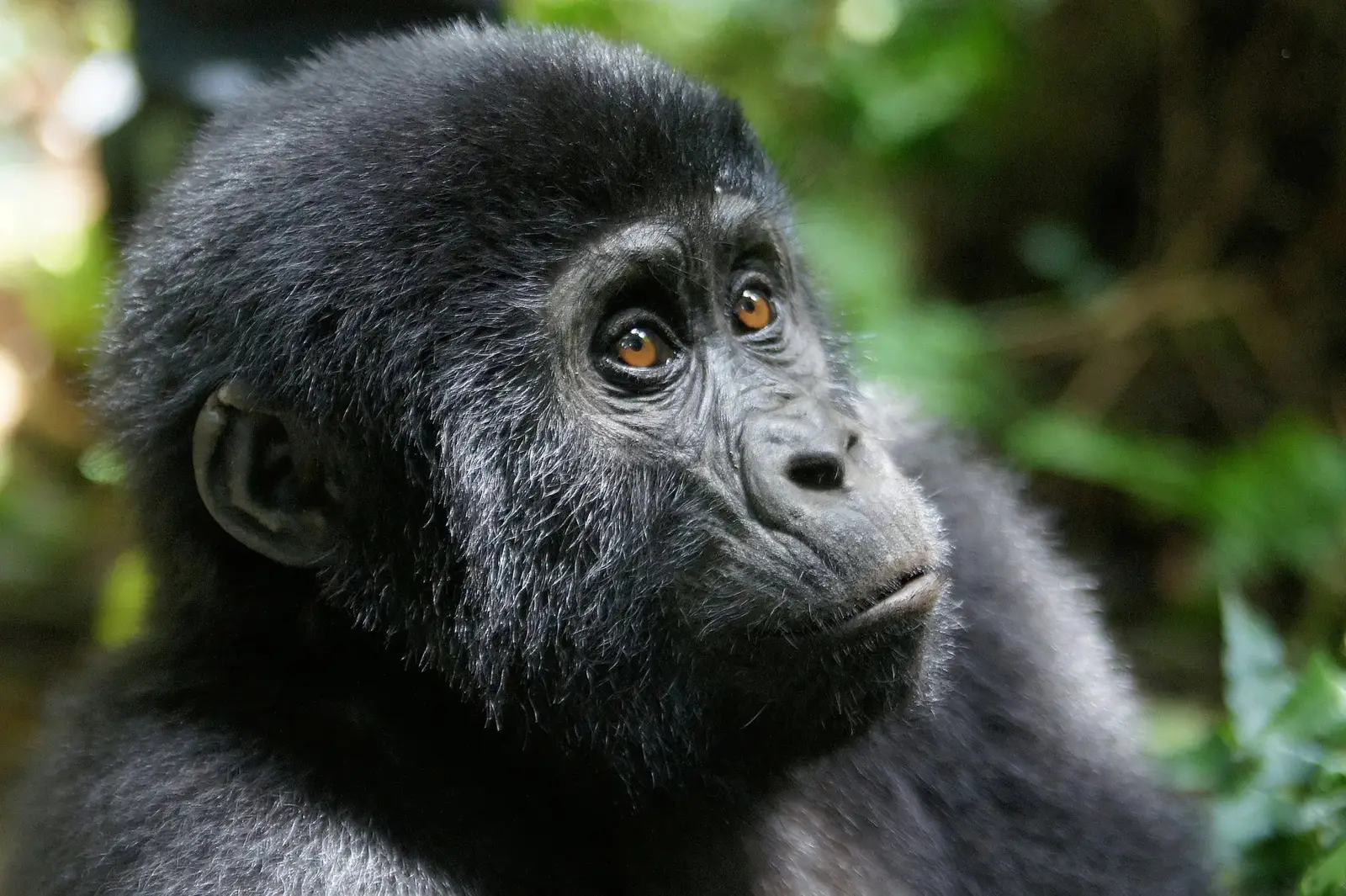
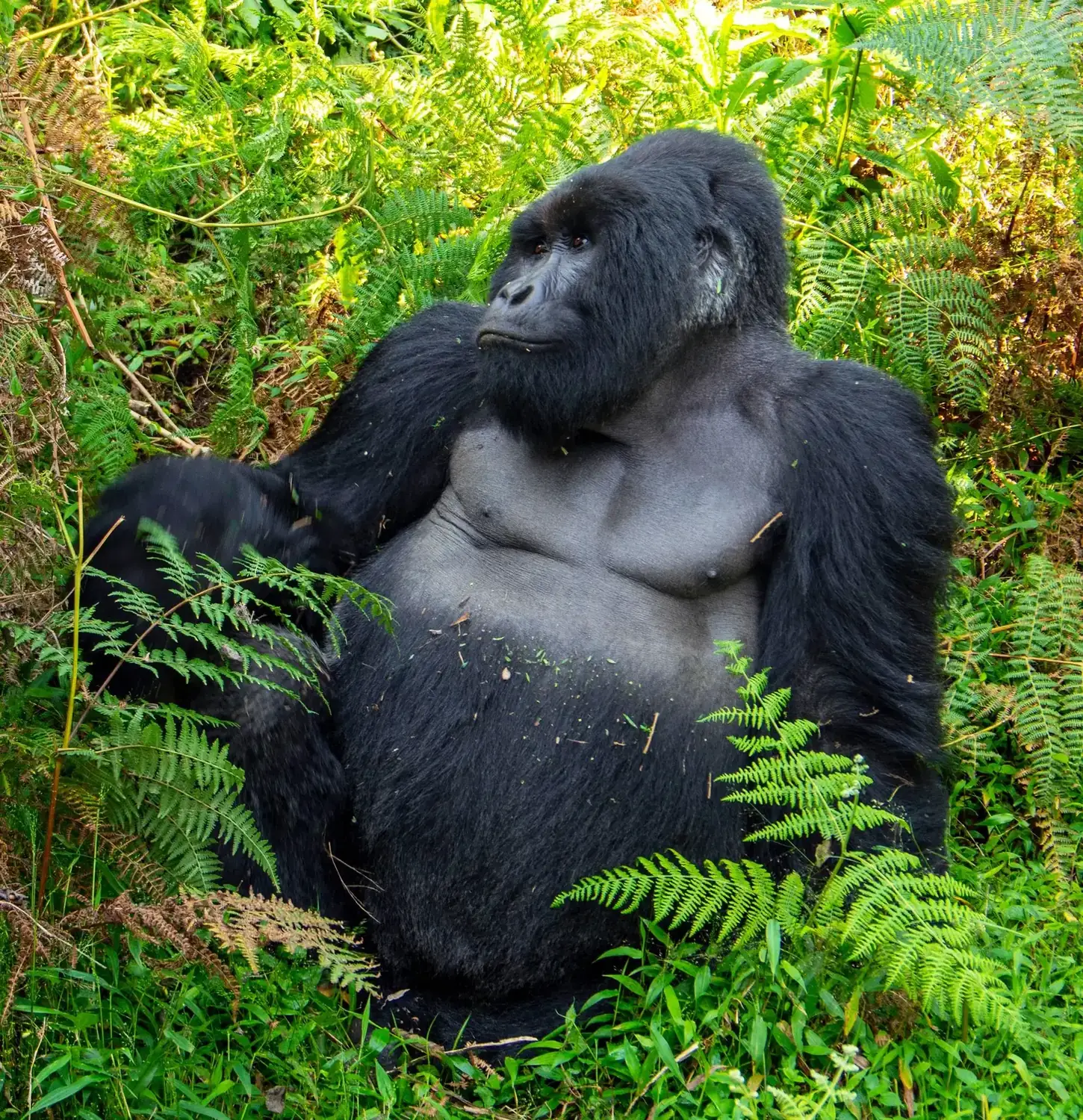
When a silverback looks at you, he is deciding whether you are a threat or a curiosity. The second you realise he has chosen curiosity, something in you rearranges itself permanently.
The encounter itself
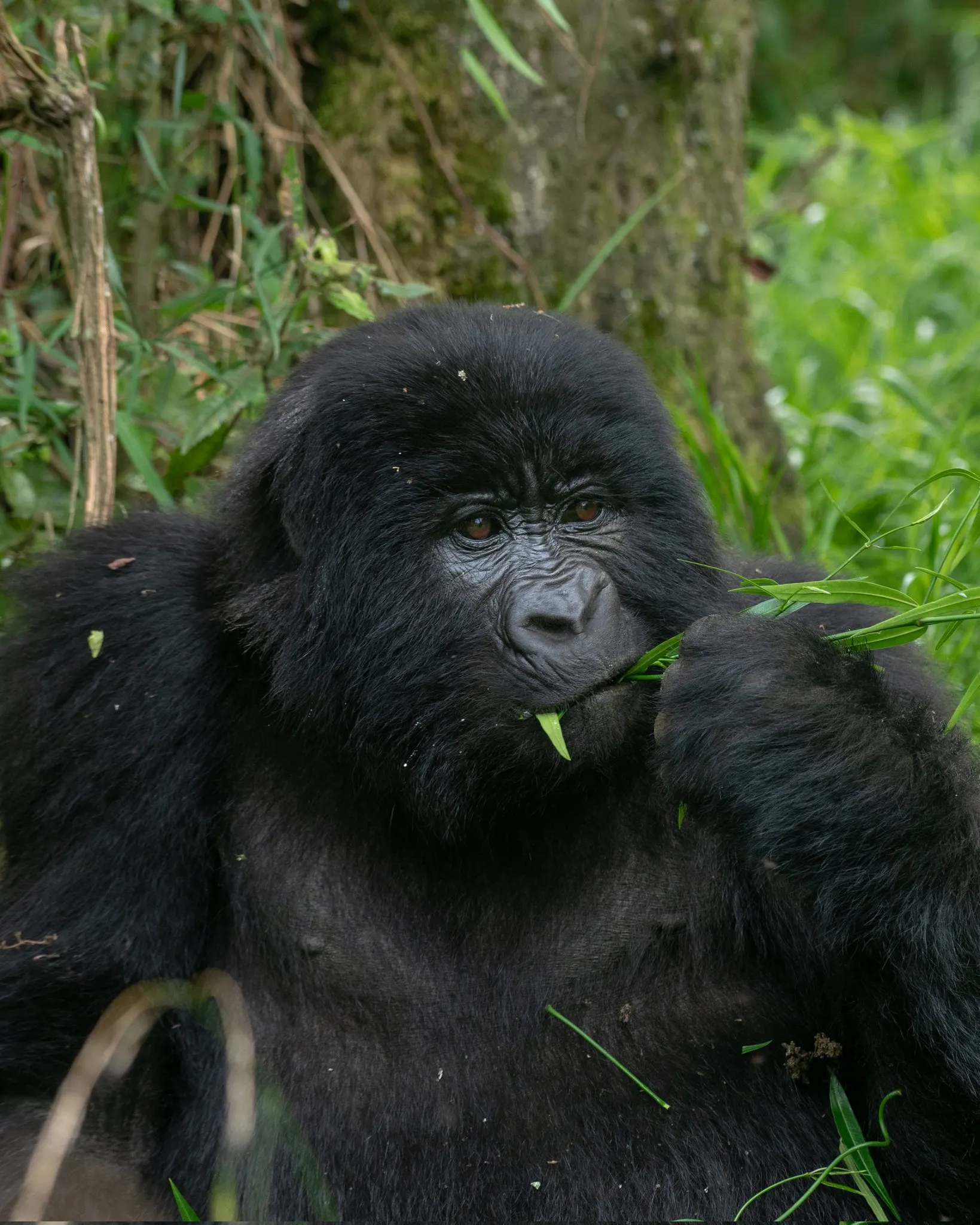
You have one hour. Uganda Wildlife Authority is strict about this, and rightly so. In that hour, you are asked to keep seven metres between you and the family. In practice, the gorillas do not read the regulations, and they may close the gap themselves. This happens often. When it does, you crouch, soften your gaze, and breathe slowly. Your guide will guide you. Listen to him.
The silverback will almost certainly look at you. Not with fear. With assessment. He has been habituated to human presence over years of careful, patient work by researchers and trackers. He knows you are not a threat. But he still looks, and when he does, most guests report the same thing. The sensation of being seen through rather than looked at.
Practical preparation
These six items determine whether you enjoy the trek or merely survive it:
- Train specifically. Uphill walking with a loaded daypack, twice a week, for six weeks before your trek. Treadmill on incline is acceptable. Stairs are better.
- Hire a porter at the trailhead. They are local community members and cost $20 for the day. They will carry your daypack and steady you on the steep descents. This is not weakness. It is wisdom, and it is direct income to the community surrounding the park.
- Expect tracking time of anywhere from 45 minutes to five hours. The advance trackers radio in from first light. They will find the family. Your job is to keep walking.
- Wear gaiters. Bwindi vegetation will put debris inside your boots within the first ten minutes. Gaiters keep both forest litter and the occasional safari ant out.
- Pack a rain jacket regardless of forecast. The Bwindi canopy makes its own weather and the sky decides at its own pace.
- Leave your camera on automatic for the first few minutes. Do not miss the encounter trying to nail a perfect shot.
After
Guests are often quiet on the walk back. I do not try to fill the silence. Some cry. Some want to talk immediately and process everything they saw. Some do not speak until dinner. All of them, without exception, describe the hour as a dividing line. A before and an after. I have been present for hundreds of these afters. It is why I still do this work.
What you take home
The photographs are usually disappointing. The forest swallows light, and the gorillas do not pose. What you carry home instead is something less photogenic and more lasting. A clearer sense of scale. A new tolerance for stillness. A small private knowledge that you stood, briefly, inside the social world of another species, and that you were neither feared nor performed for. You were simply present, and that was enough.
Written by
Vincent Arihoruhanga
Founder, Bwindi House Gorilla Safaris.