Almost every question I receive about Uganda logistics comes down to a version of the same thing. How do I actually get there. The answer is not complicated, but it matters far more than most travel writing admits. The distance between Entebbe International Airport and the edge of Bwindi Impenetrable Forest is roughly 500 kilometres, and there are essentially three ways to cover it. Each has a different price, a different experience, and a very different arrival state.
I have driven that road a hundred times and flown it a dozen. Let me tell you what each option is actually like, because the right choice depends entirely on who you are and what kind of journey you want.
Option one: full road transfer
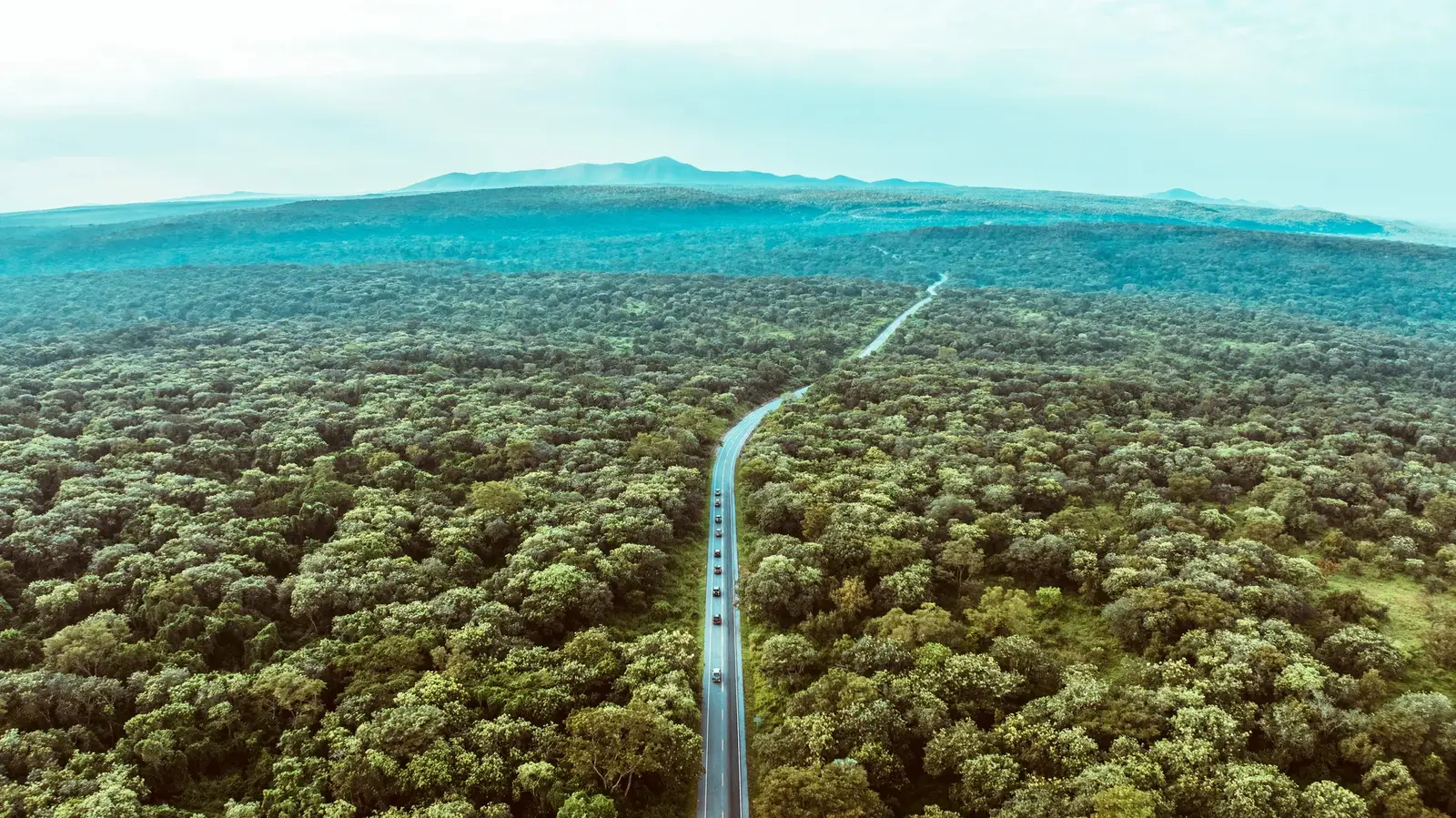
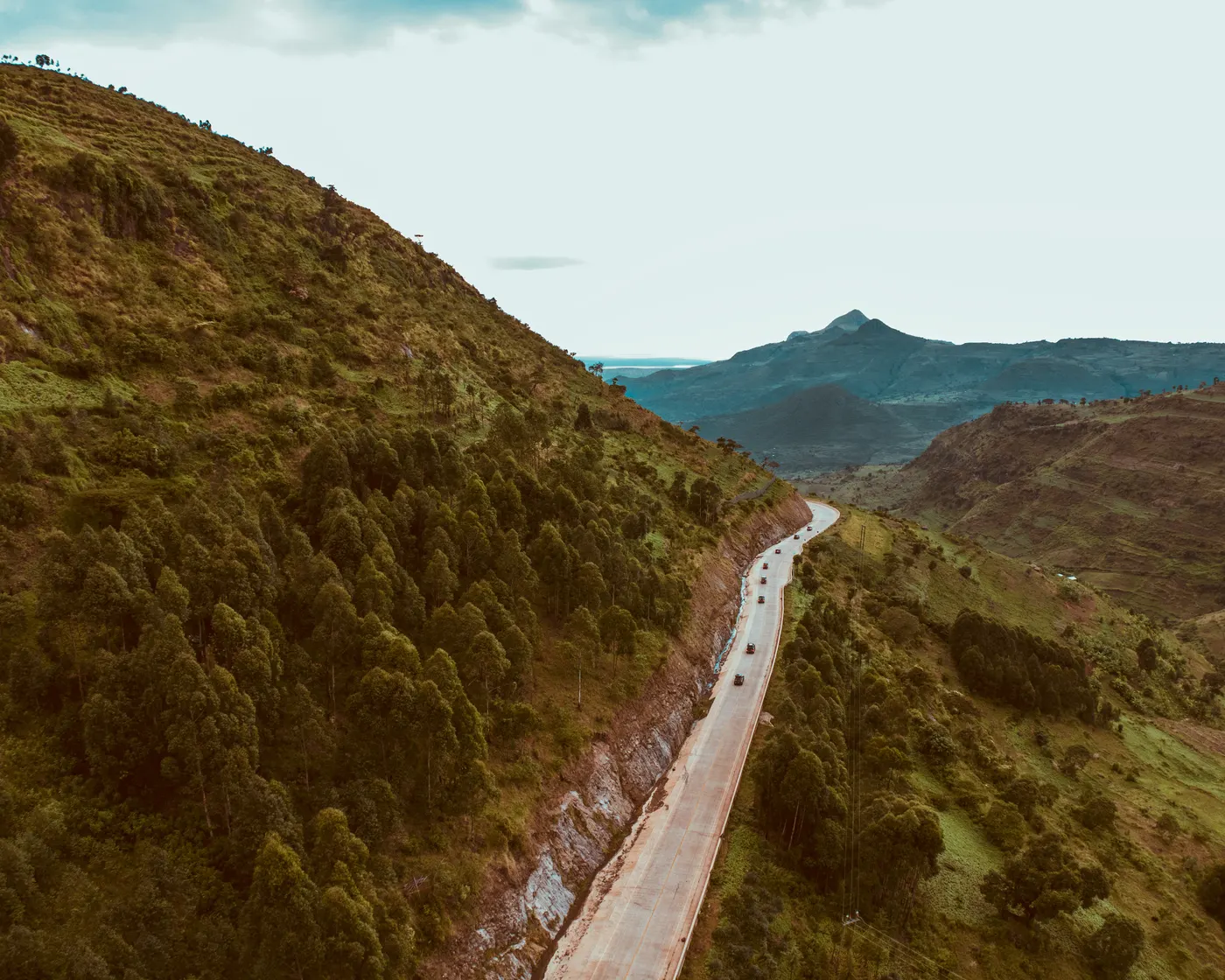
The road journey from Entebbe to Bwindi takes between eight and ten hours depending on your destination sector. Buhoma, in the north, is approximately eight hours. Rushaga, in the south, sits closer to nine or ten. The route runs southwest through Kampala, then climbs steadily through Mbarara and Kabale before descending into the highland forest zone that borders the park.
~500km
Entebbe to Bwindi
8–10 hrs
road transfer
55 min
by light aircraft
~$800
AeroLink return pp
I want to say something honest about the road: it is not a hardship. The southwestern Uganda highlands are genuinely beautiful, and a well-paced road transfer with a good driver and a few deliberate stops becomes part of the journey rather than a tax on it. We stop at the equator crossing, at a viewpoint above Lake Mburo, and for lunch in Kabale town before the final descent to the forest. Guests who arrive by road arrive knowing the country in a way fly-in guests simply do not.
The one caveat is the Kampala traffic corridor. Leaving Entebbe in the late morning means crawling through the city for ninety minutes in either direction. We always schedule a very early departure, before the city wakes, or route through Jinja to bypass the worst of it. Your transfer logistics are part of what we plan carefully when we build your journey.
Option two: fly to Kihihi (Buhoma sector)
AeroLink Uganda operates scheduled flights between Entebbe and Kihihi airstrip, the closest airstrip to Bwindi's Buhoma and Ruhija sectors. The flight takes approximately fifty-five minutes and runs most days of the week, subject to schedule and aircraft availability. From Kihihi to the Buhoma gate is a further forty-five minutes to one hour by vehicle.
The fly-in is a genuine upgrade, not just in time. The approach over the Rift Valley escarpment and then the highland forest is one of the finest light aircraft views in East Africa. You arrive from the air with a sense of the terrain you are about to walk through, and that orientation matters when the forest closes around you on trek day.
The practical considerations:
- Return flights Entebbe–Kihihi cost approximately USD 800 per person as a standalone booking. We include the supplement in our fly-in journey pricing rather than quoting it separately.
- Kihihi serves Buhoma and Ruhija sectors. For Rushaga and Nkuringo in the south, the routing changes (see below).
- Luggage is restricted. Light aircraft on this route typically allow 15 to 20 kilograms of soft-sided luggage per passenger. Hard-sided cases are not permitted in the hold. We send every fly-in guest a packing note in advance.
- Schedules operate three to five times weekly depending on season and load. We build fly-in journeys around confirmed departure days and always hold a road transfer as the contingency.
Option three: fly to Kisoro (Rushaga and Nkuringo sectors)
For the southern sectors, the routing is via Kisoro airstrip, which sits closer to the DRC and Rwanda border than to Buhoma. Kisoro is a more irregularly served airstrip and the logistics are more complex to build around. Fly-in routing for Rushaga-based journeys, including our Habituation Experience, is quoted separately for this reason. Aircraft availability, charter options, and schedule align differently depending on your dates, and we price it individually rather than as a fixed supplement.
If your trek is based in Rushaga and you want to avoid the road, get in touch early. It is achievable, but it requires more lead time to construct properly.
What I recommend
For most guests on a three or four night journey, I recommend the road transfer in at least one direction. Arriving by road and departing by air, or vice versa, gives you both the country and the convenience without sacrificing either. It is also the structure we use for most of our Bwindi Encounter journeys: road in, fly out.
For guests with a tighter schedule, or who are travelling with older family members, or who simply prefer the most efficient option, fly-in both ways is entirely sensible and we make it seamless from a logistics standpoint.
The road shows you Uganda. The flight shows you what Uganda looks like from above. Both are worth having, and neither cancels the other.
A note on self-driving
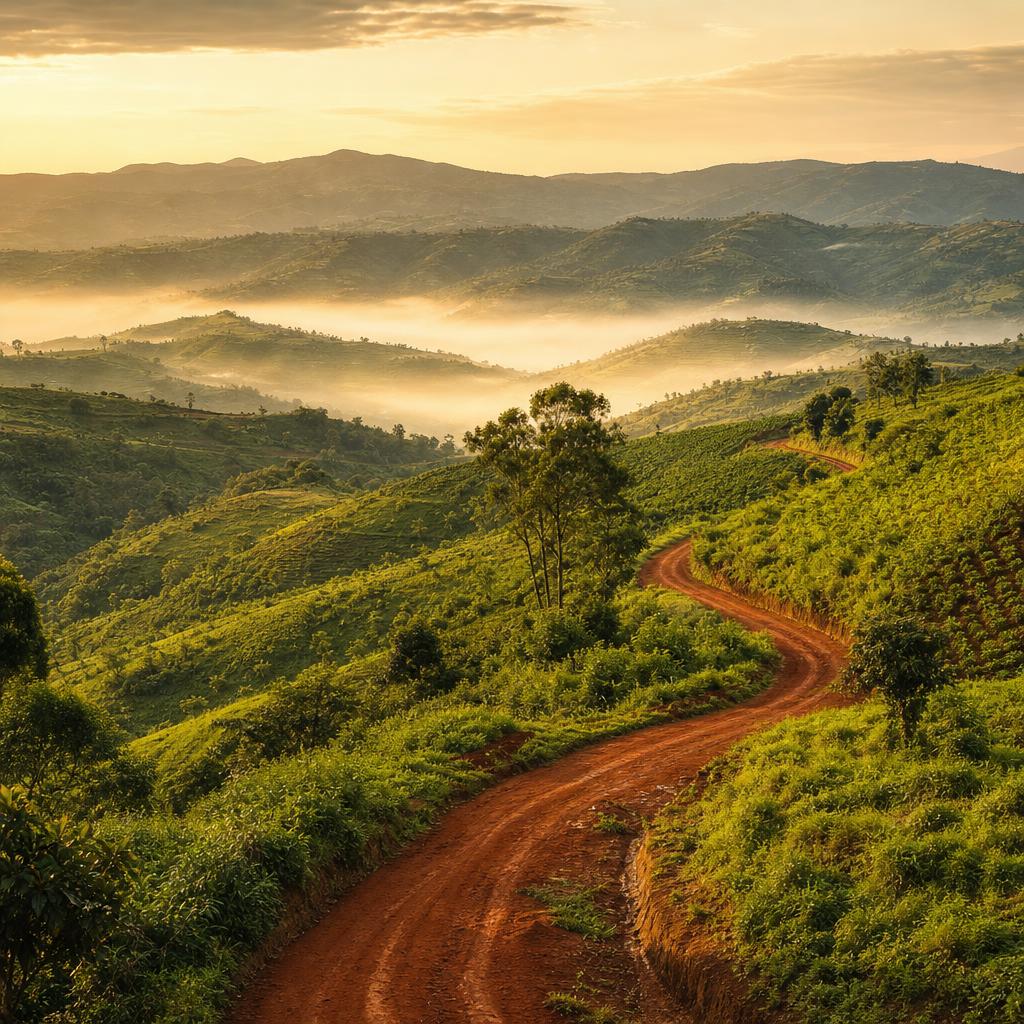
Uganda has a right-hand drive road network, rental vehicles are available from Kampala, and some travellers do self-drive the route to Bwindi. I will be honest: the final section, from Kabale to the park gate, passes through road conditions that vary considerably by season and are best navigated with local knowledge. Self-drive is feasible for an experienced African overland traveller. For a first-time Uganda visitor on a timed gorilla journey, I would recommend against it. A missed gate time costs a permit.
Written by
Vincent Arihoruhanga
Founder, Bwindi House Gorilla Safaris.