People ask me what the gorilla trek day is like, and I usually answer with a question: which part do you mean. The encounter itself — that sacred, sixty-minute hour — is what the journey is built around. But the hours that surround it are as much a part of the story as the hour itself. The pre-dawn breakfast. The trailhead briefing. The long, climbing silence of the approach. The walk back, when nobody talks.
Here is the full day, hour by hour, as it actually unfolds at Bwindi.
5:30 — wake up
Every gorilla trek at Bwindi begins this early, and the reason is simple: the briefing starts at 7:30 or 8:00, the trailhead gate opens at 8:30, and the walk to the family in Buhoma or Rushaga can take between forty-five minutes and five hours. You want to be fed, hydrated, and mentally present before any of that begins.
Eat a substantial breakfast. This is not optional advice. A gorilla trek on an empty stomach, in altitude, in humidity, is a meaningfully worse experience than one on a full stomach. The lodge will have breakfast ready before 6:00. Eat everything.
7:30 — briefing at the ranger station
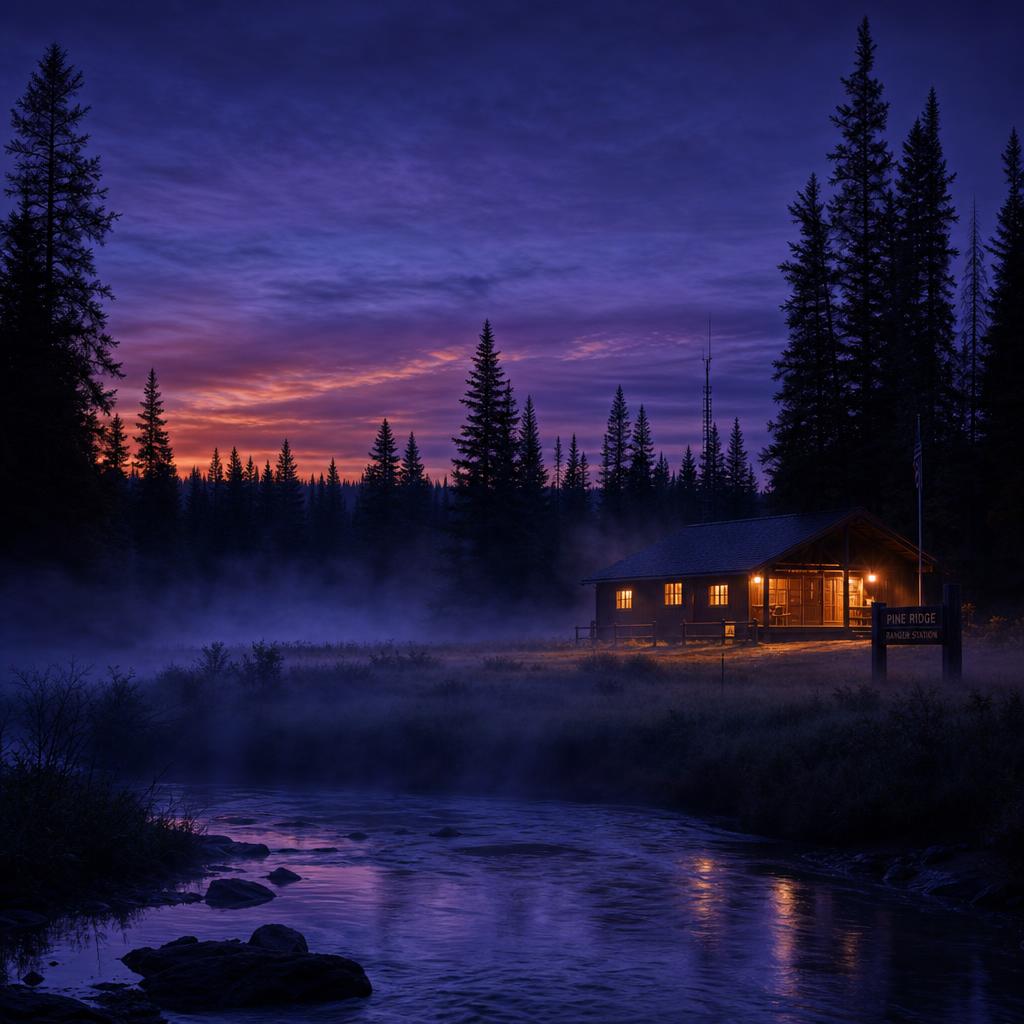
You gather at the UWA ranger station for the pre-trek briefing. A lead ranger covers the rules of the encounter: seven-metre minimum distance, no flash photography, no eating in the presence of the gorillas, immediate response to a charge (crouch, look down, do not run), and the importance of following every ranger instruction without delay.
This briefing is also when your group is assigned to a specific gorilla family, and a ranger will give you a brief profile of that family — the silverback's name, approximate family size, and any notable behaviours. This is the moment the encounter begins to feel real. Listen carefully.
8:30 — porters assigned, boots sprayed, gate opens
Before entering the forest, your boots are sprayed with a disinfectant solution. This is a genuine biosecurity measure — human diseases are transmissible to great apes, and mountain gorillas are critically endangered. Take it seriously.
If you have hired a porter — and you should — they will take your daypack here. You keep your camera and water. Everything else travels on them. They will also provide a walking stick if you want one. Take one. Descents are where people slip, and a stick is insurance.
7m
minimum distance from gorillas
60 min
time with the family
8 people
max per trek group
$20
porter fee at trailhead
9:00 — the approach
The approach is the part most travel writing skips over. I want to give it its due, because it is where the trek actually lives for most of the day.
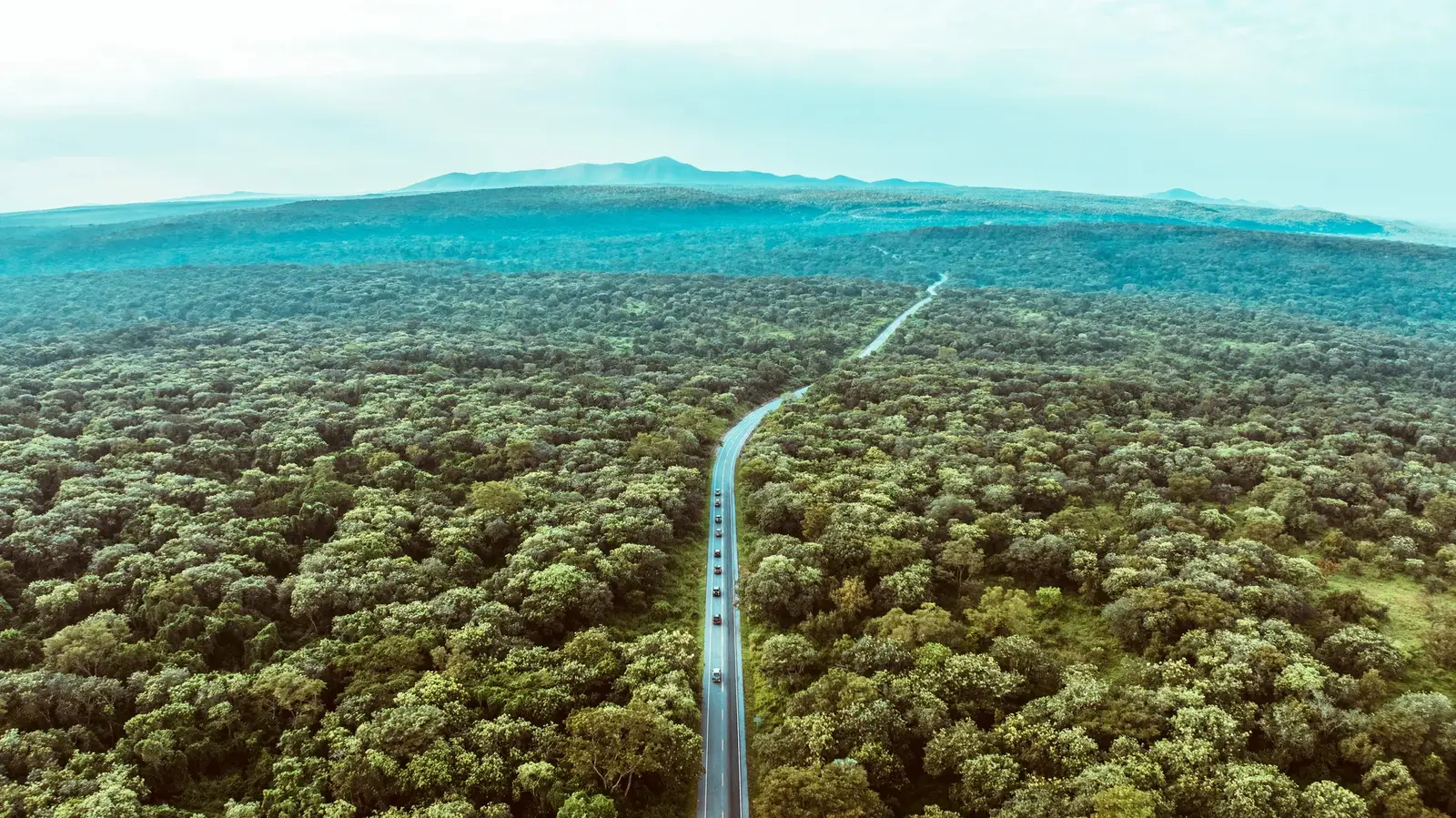
You leave the gate and enter the forest. The trail begins managed and then, quickly, becomes not. Roots cross the path. The gradient increases within the first fifteen minutes. Sounds change. The noise of the village behind you disappears and is replaced by forest — insects, birds, your own breathing.
The advance trackers have been in the forest since before dawn. They radio in every hour with position updates. Your lead ranger has a handset. When the family is close, the group is told to stop, put bags down, check cameras, and regulate breathing. Then you move the final few hundred metres quietly.
The hour with the family
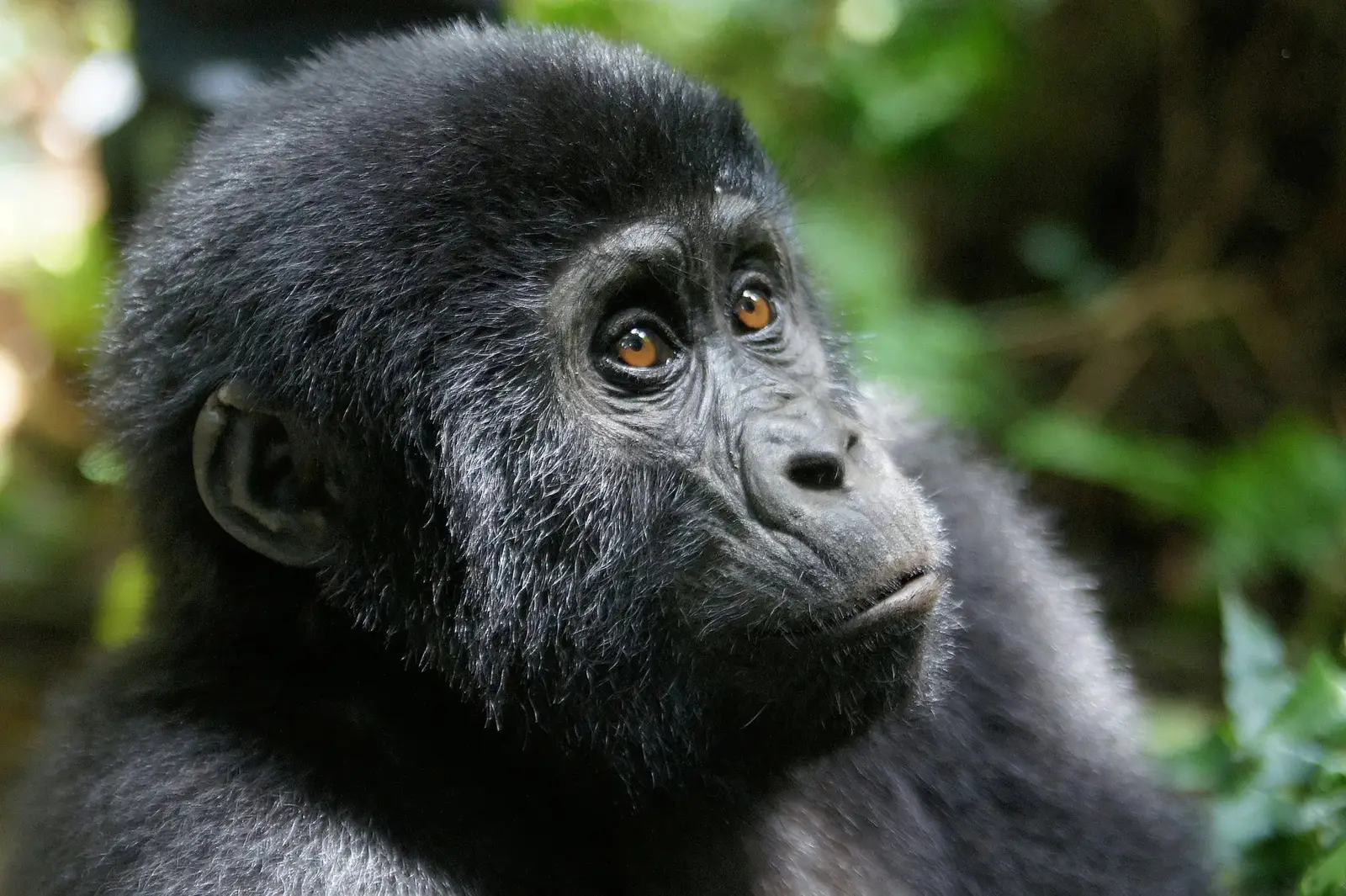
I have been present for many of these encounters, and what I keep noticing is how different the reaction is from what people expect before they arrive. Most guests expect to feel overwhelmed or emotional immediately. What actually happens is usually a kind of arrested stillness. You stop. You see them. And for a moment, you are simply unable to process what you are seeing.
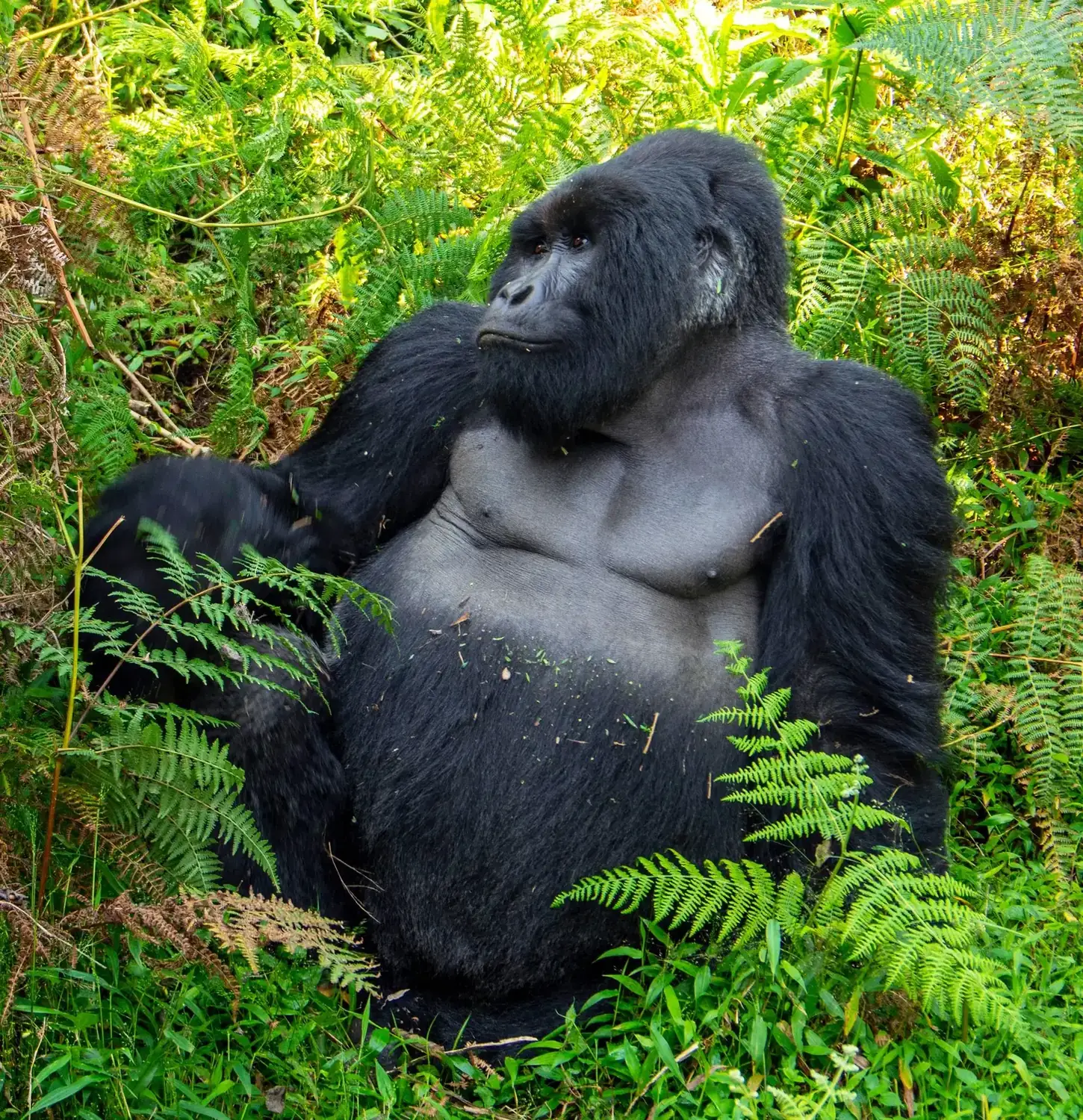
A gorilla family at midday is usually feeding or resting. Infants play. Juveniles chase each other through the lower canopy. The silverback is often the most still figure in the scene — watching, not performing, deciding with complete authority whether this moment suits him. Usually it does. He has been through this many times.
Your lead ranger will tell you when a gorilla is about to move toward you and what to do — crouch, look away, do not move quickly. Follow those instructions with complete confidence. They have kept guests and gorillas safe for thirty years, and they know this family's behaviour better than you can from a standing position.
The hour does not feel like an hour. I have never had a guest emerge from it saying it went on too long. I have had guests look at their watch at the fifty-five minute mark with something close to grief.
Exit from the forest — the walk back
At sixty minutes, the lead ranger calls time and the group begins to move away from the family. The exit is usually in a different direction from the approach, and the walk back to the trailhead can take thirty minutes to two hours depending on the family's position.
Guests are usually quiet on the walk back. Occasionally someone is crying. More often they are processing something they are not quite ready to put into words yet. I have learned not to prompt that conversation. It comes when it comes, usually at dinner.
Midday to afternoon
By early afternoon you are back at the lodge. Lunch. Shower. The rest of the day is yours. Some guests sleep for two hours. Some write at length. Some want to walk the community trail, or sit at the forest edge, or simply look at their photographs and begin the slow work of processing what they saw.
Written by
Vincent Arihoruhanga
Founder, Bwindi House Gorilla Safaris.