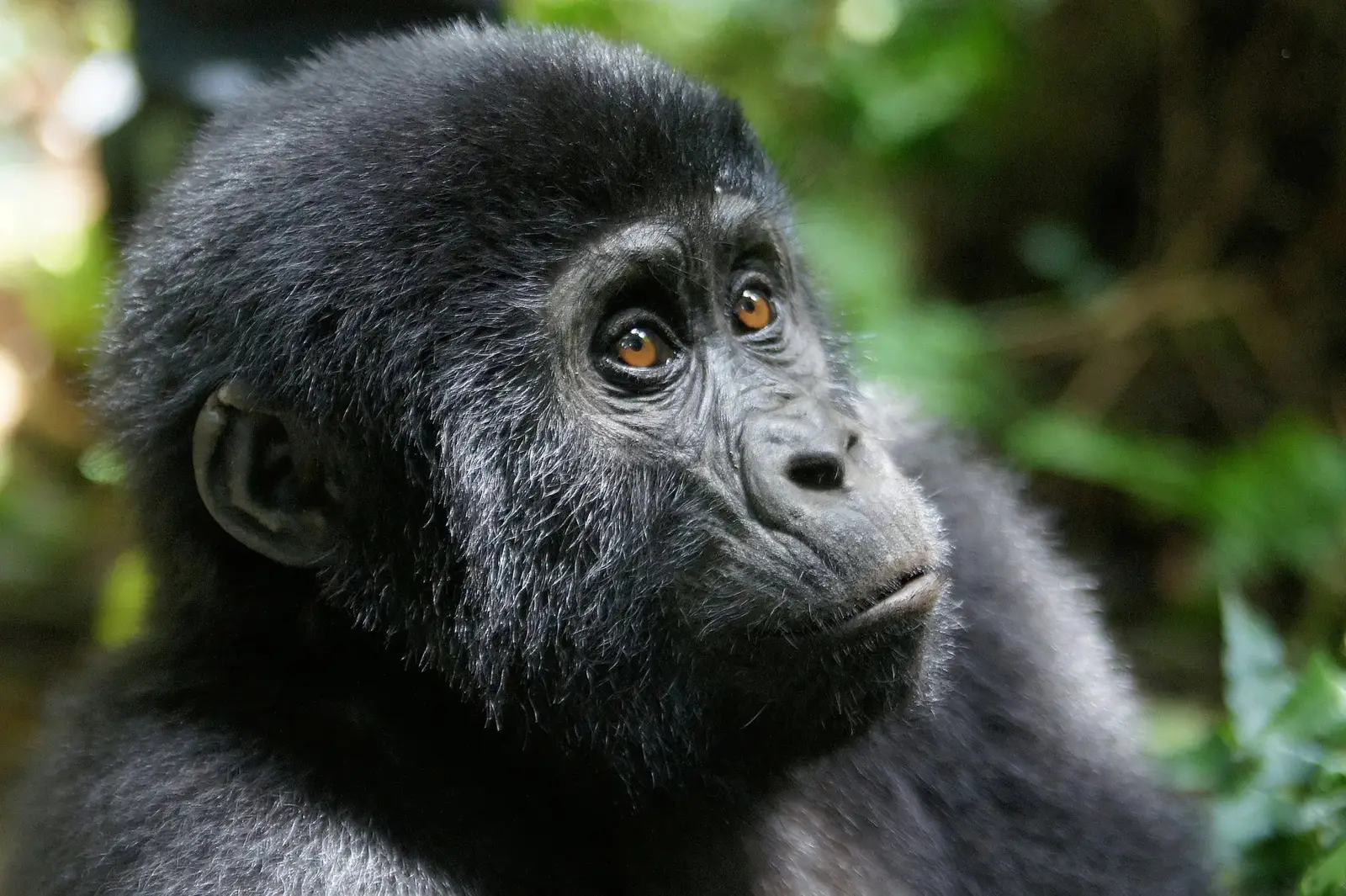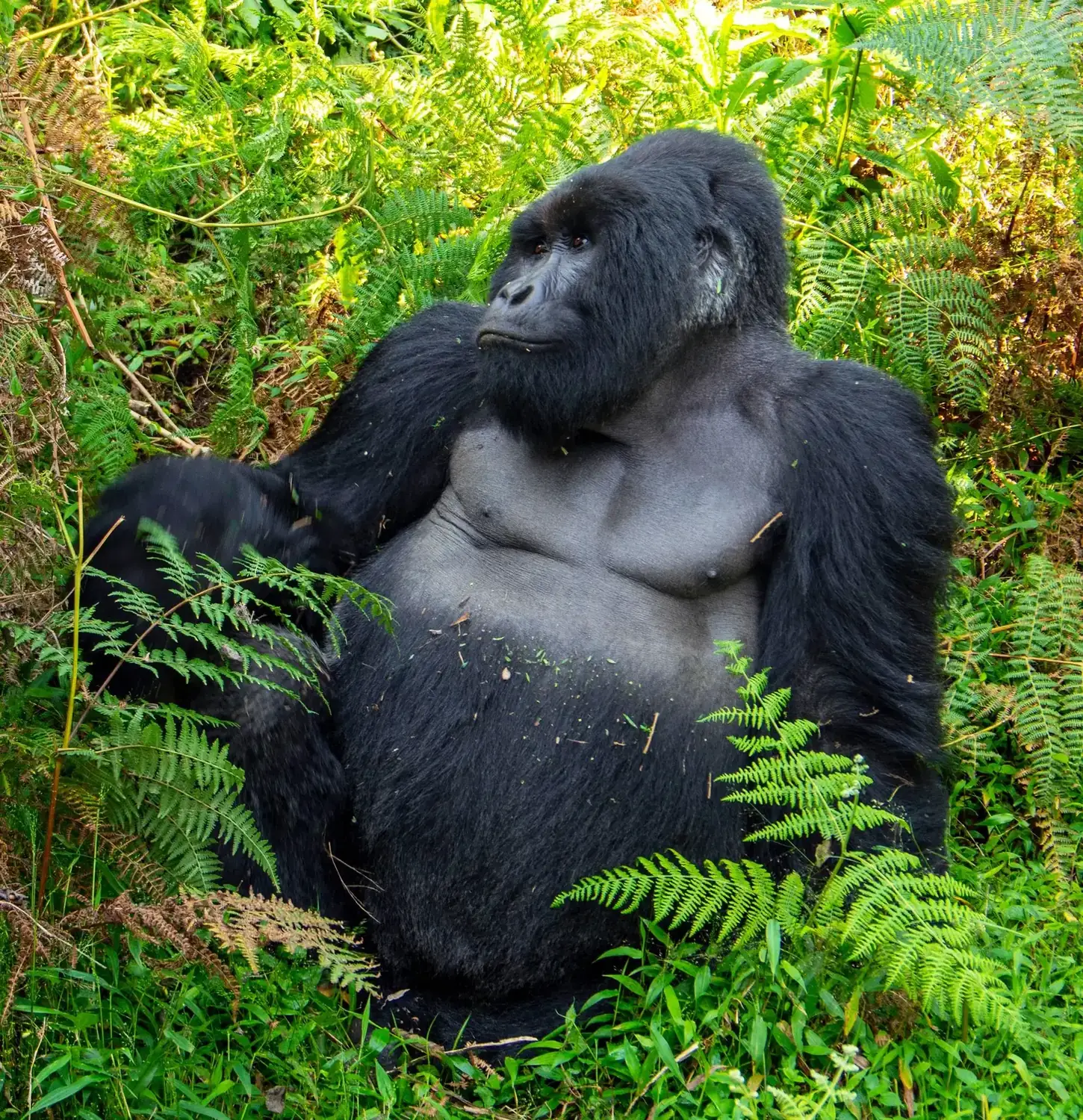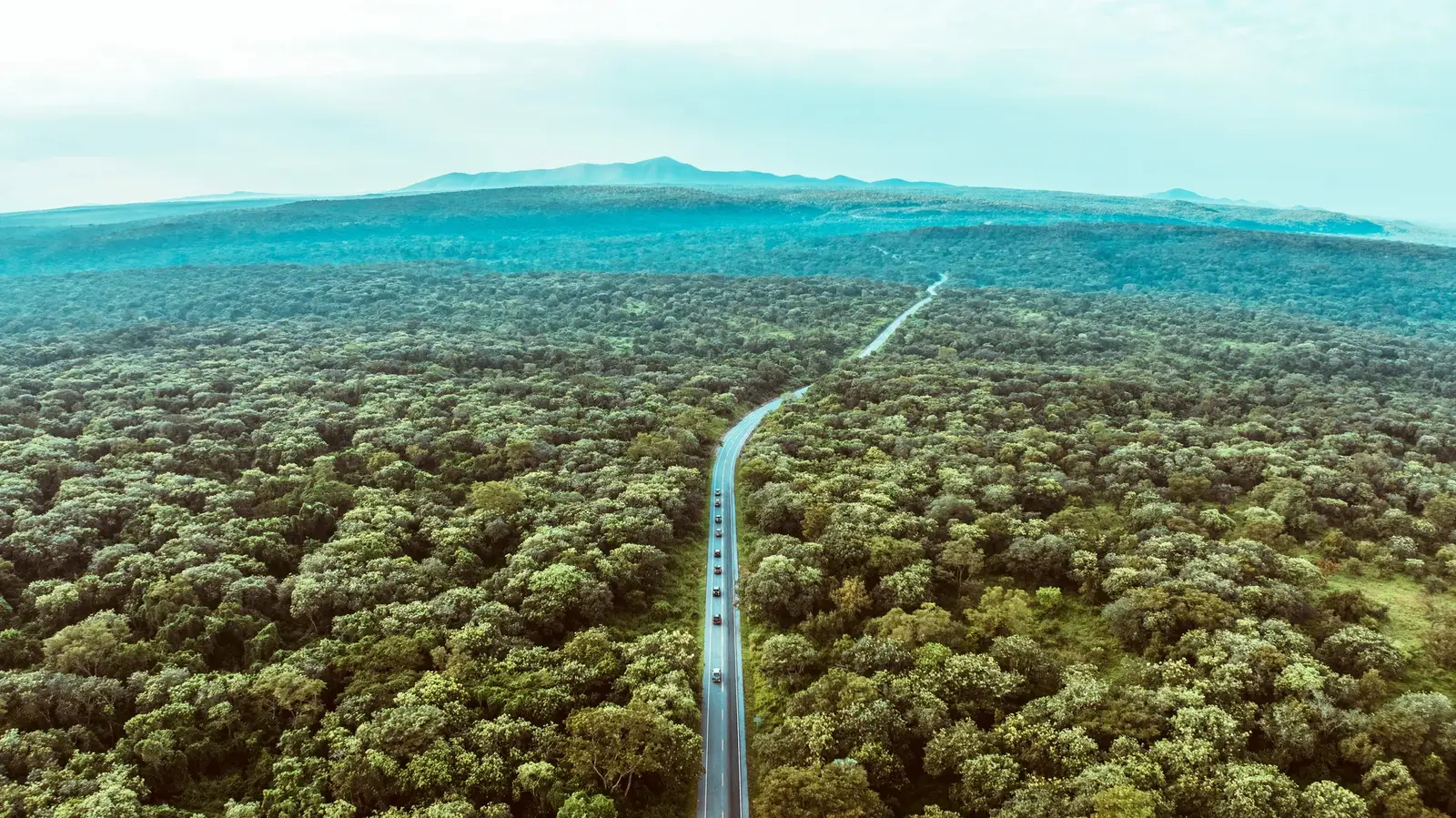
There are two ways to spend time with mountain gorillas in Uganda. The first is standard trekking. A permit, a tracker, a group of eight, an hour with a habituated family. The second is the Gorilla Habituation Experience, offered exclusively in Rushaga sector of Bwindi, costing nearly twice as much, and giving you four hours with a family that is still in the process of learning to accept human presence. They are profoundly different experiences, and choosing between them depends on what you are looking for.
Standard Trekking
Permit cost $800. Duration with gorillas, one hour. Group size, maximum eight guests. Habituated families, 26 in Bwindi across four sectors, plus one in Mgahinga. The trek itself varies from 45 minutes to five hours and more depending on where the family has moved. Once found, the hour is closely managed. Seven metre rule, no flash photography, face masks if you are unwell.
The gorillas largely ignore you. They are fully habituated and your presence is neither interesting nor alarming to them. This is beautiful in its own way. Being unremarkable to a mountain gorilla is a gift.
The Gorilla Habituation Experience
Permit cost $1,500. Duration with gorillas, four hours. Group size, maximum four guests. The family you visit is still in the multi year process of becoming accustomed to human observers. They are not wild, you are not in danger, but they have not yet learned to ignore you completely. This distinction changes everything.
With a habituated family, you observe gorillas behaving as if you are not there. With a habituation family, they occasionally look back. That mutual awareness, the gorilla noticing you noticing it, is one of the most charged experiences in wildlife travel.
Side by side
What actually differs between the two:
- Time with gorillas. One hour versus four hours.
- Cost. $800 versus $1,500 per person.
- Group size. Eight versus four.
- Location. Any of four Bwindi sectors versus Rushaga only.
- Family behaviour. Fully habituated versus actively being habituated.
- Permits available daily. 208 across Bwindi versus 4 habituation places.
- Physical demand. Variable trek up to one hour with gorillas. The habituation can involve longer tracking and the four hours on station require stamina.
The verdict
Standard trekking is the right choice for first timers, those with limited time, and those for whom the physical challenge of the trek itself is the primary memory. Habituation is for those who want to go deeper. Spend genuine time with a family, watch their social dynamics over hours rather than minutes, and experience something that fewer than 1,000 people per year do.
Both are extraordinary. The choice is about what kind of extraordinary you are looking for. Many of our returning guests do a standard trek on a first visit and book the habituation on the second. The two experiences read like chapters of the same book rather than substitutes for each other.
Written by
Vincent Arihoruhanga
Founder, Bwindi House Gorilla Safaris.