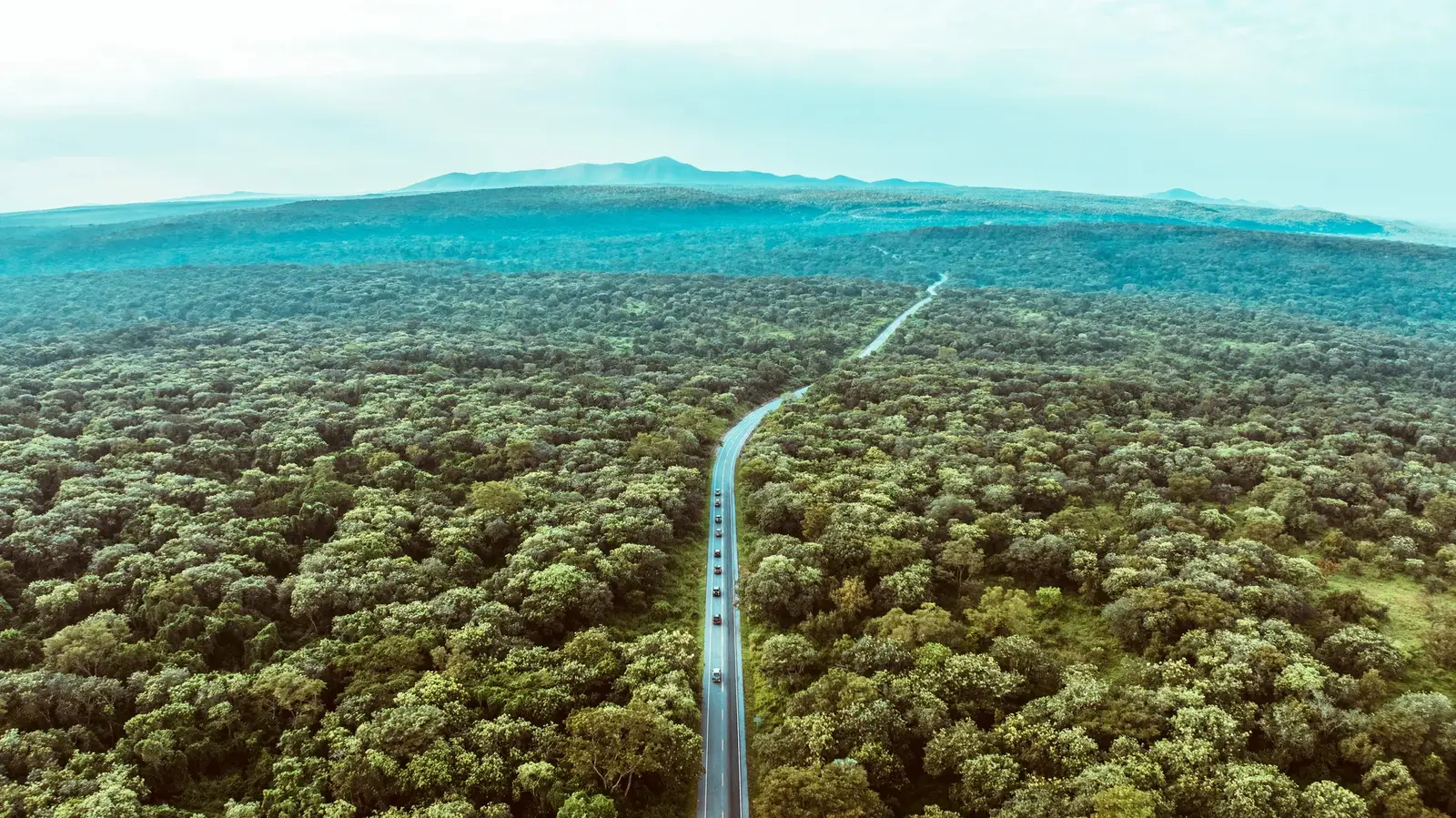
Kidepo Valley National Park sits in Uganda's remote Karamoja region, pressed into the corner where Uganda, South Sudan and Kenya converge. To reach it from Kampala, you drive eight hours through increasingly sparse landscape, or you take a charter flight that lifts you over the Great Rift Valley escarpment and deposits you in a world that feels geographically, temporally, and atmospherically separate from the Uganda most travellers know.
The numbers are remarkable. Kidepo receives fewer than 5,000 visitors per year. Masai Mara, its loose aesthetic equivalent in Kenya, gets that many on a busy weekend. This is not a failing of the park. It is its defining quality.
The landscape
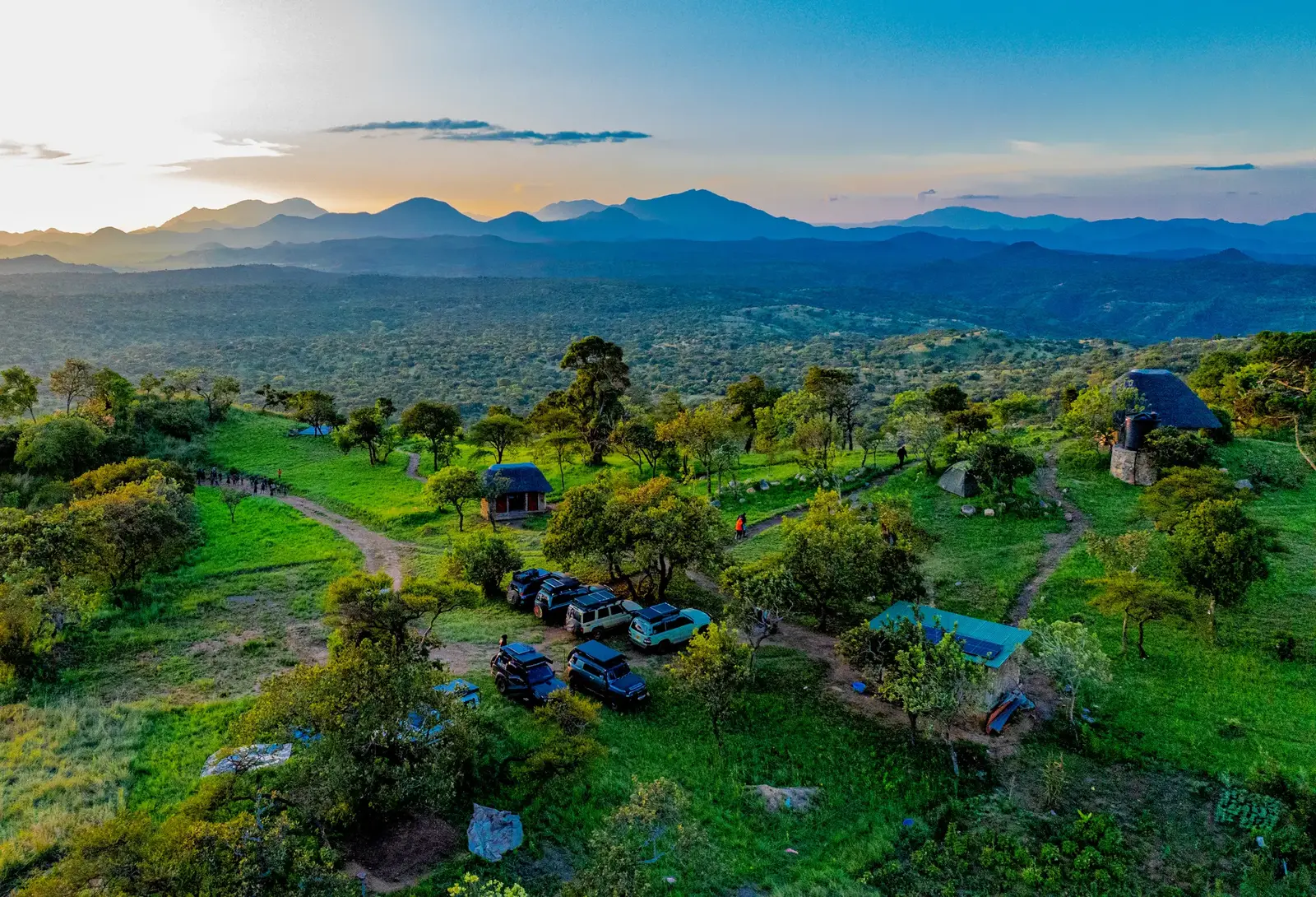
Kidepo is semi arid savannah, flanked by mountains and scored by seasonal rivers. The Narus Valley, the park's wildlife heartland, floods during the rains and concentrates game dramatically during the dry season when the Narus River becomes the only water source for hundreds of kilometres. The Kidepo Valley to the north is drier still, wilder, and almost never visited even by the park's small quota of guests.
There are mornings in Kidepo when you sit at Apoka and watch a family of ostriches cross the plain while a pair of bat eared foxes hunt insects in the middle distance, and you think, I am the only person on Earth seeing this right now. You are probably right.
The species list
Kidepo holds species absent from all other Ugandan parks. Cheetah, yes, in Uganda. Caracal. Aardwolf. Greater and lesser kudu. Beisa oryx. Ostrich. Bat eared fox. Klipspringer. The lion population is one of East Africa's healthiest per unit area. The birding is extraordinary. Over 500 species recorded, including multiple raptors and ground nesting birds found nowhere else in Uganda.
The Karamojong
The Karamoja region around Kidepo is home to the Karamojong, one of East Africa's most distinctive pastoralist cultures. A Karamojong manyatta visit, arranged with proper protocol through a local guide, is one of the most considered cultural encounters available in Uganda. This is not a curated village stop. This is sitting with elders, drinking sorghum, and asking permission before photographing anything.
Getting there and when to go
December through March and June through August offer the best game viewing as animals concentrate around water. The charter flight from Entebbe to the Apoka airstrip takes approximately ninety minutes and is, in itself, a spectacle. The Albertine Rift unfolds below you with the kind of grandeur that reminds you why people travel. The overland drive is an undertaking. Beautiful, but committed.
Written by
Vincent Arihoruhanga
Founder, Bwindi House Gorilla Safaris.