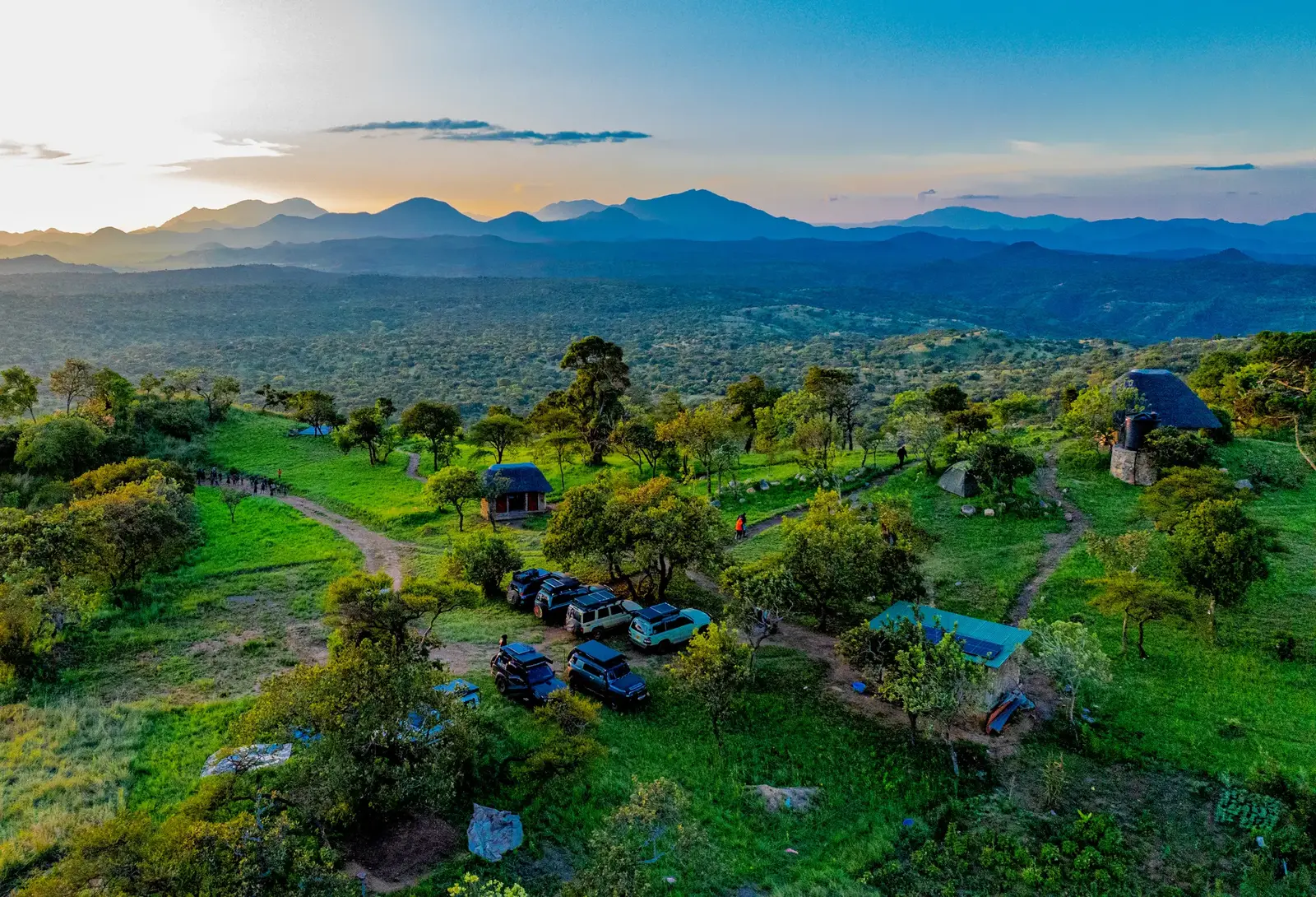
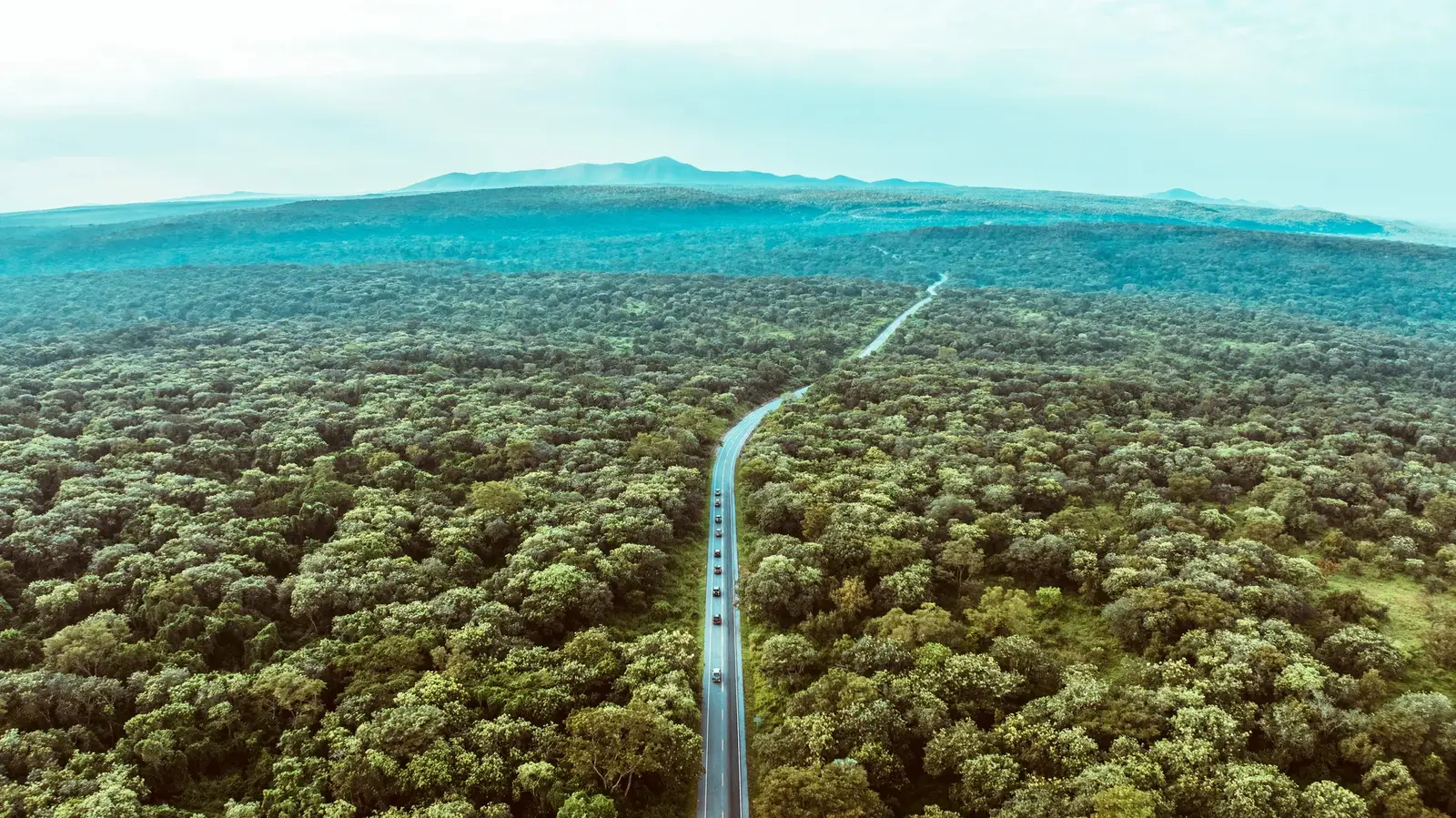
The Rwenzori Mountains sit on Uganda's western border with the Democratic Republic of Congo, rising to 5,109 metres at Margherita Peak, the third highest point in Africa behind Kilimanjaro and Mount Kenya. They were called the Mountains of the Moon by Ptolemy in the second century, and the name, though poetic, is technically inaccurate. The mountains are wrapped in cloud for most of the year, but they are more oceanic than lunar. Dripping, green, and extraordinarily alive.
Why they are forgotten
Kilimanjaro receives approximately 50,000 trekkers per year. The Rwenzori receives approximately 1,000. The difference in profile is almost entirely explained by accessibility and marketing. Kilimanjaro is in Tanzania, which has a well established safari tourism infrastructure and strong international awareness. The Rwenzori are in a region of Uganda that requires longer internal travel times and more complex logistics. They are not mentioned in the same breath as Kilimanjaro, Mount Kenya, or the Atlas Mountains, despite being more botanically diverse and, for the experienced trekker, more interesting.
The vegetation zones
The Rwenzori's defining characteristic is the transition through distinct vegetation zones as you climb. The lower forest zone gives way to bamboo, then to a zone of giant heather, tree heather up to 10 metres tall, draped in moss and lichen. Then to the Afro alpine zone above 4,000 metres, where giant groundsels (Senecio) and giant lobelia grow to heights that seem impossible and wrong. Alien looking plants that somehow thrive in equatorial alpine conditions. It is not like anywhere else.
You climb through zones that feel like different planets. At 4,200 metres, surrounded by six metre lobelia and draped giant heather in mist, you understand why Ptolemy thought this place lunar. It is the most alien landscape I have walked through on Earth.
The glaciers
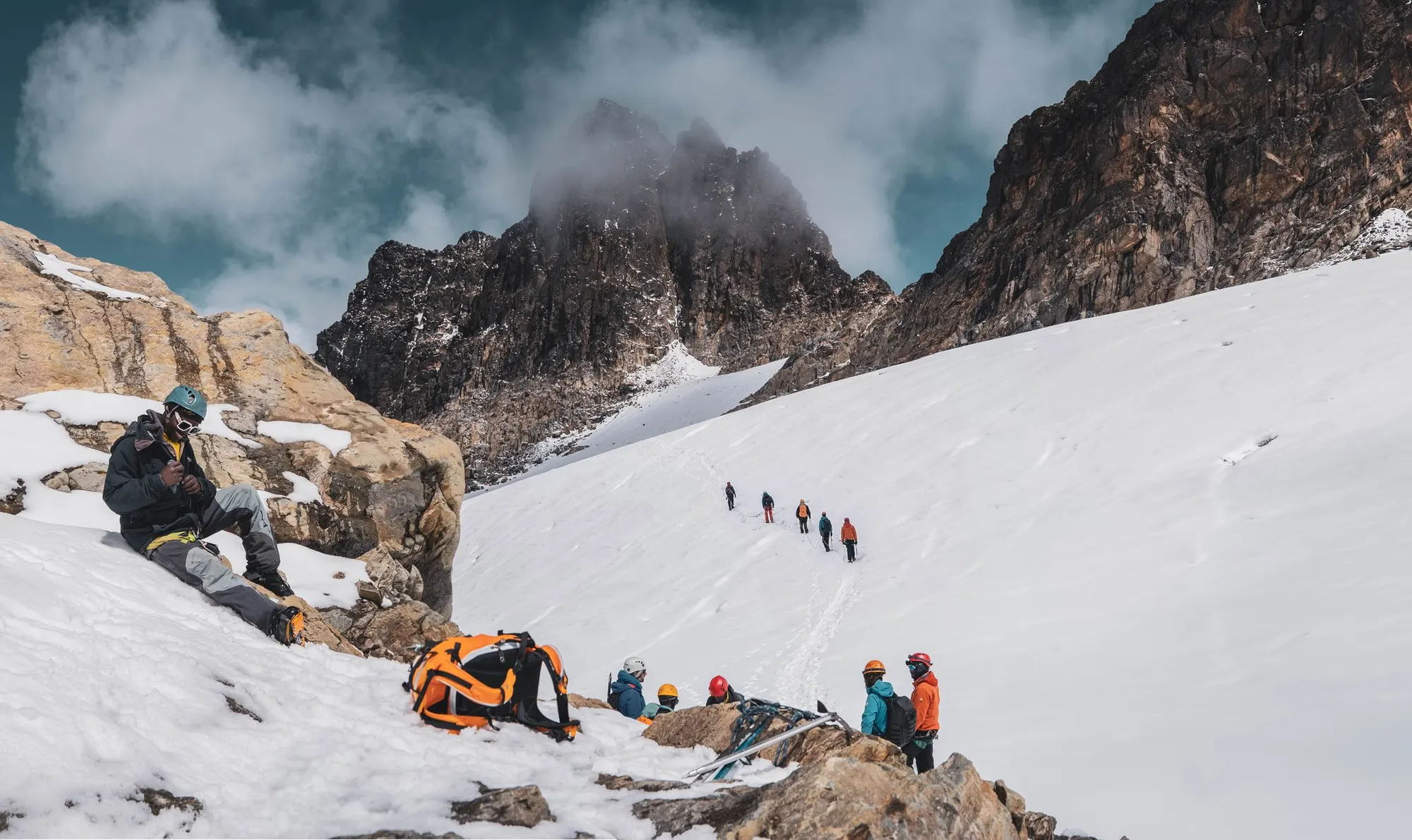
The Rwenzori has glaciers, the only glaciers in Uganda and among a very small number in equatorial Africa. They are retreating rapidly. Ice coverage has shrunk by more than 80 percent since the first surveys in the early 1900s. The remaining glaciers are expected to disappear entirely between 2030 and 2040. This makes now the moment to see them, not to witness their loss, but to understand what they represent.
The trek
The standard Rwenzori circuit takes seven to nine days and requires fitness, rain gear, and a tolerance for sustained wetness. The mountains receive up to 3,000 millimetres of rainfall per year, distributed with minimal concern for itinerary. The rewards are singular. Landscapes found nowhere else on Earth, near total solitude, and the particular satisfaction of standing at altitude in a place that demands something of you.
Bwindi House Gorilla Safaris partners with Rwenzori Mountaineering Services for all guided ascents, with guides who have made the circuit hundreds of times. We design the trek as either a self contained nine day expedition or a three to four day soft introduction for guests who want a taste of the range without the full summit commitment.
Written by
Vincent Arihoruhanga
Founder, Bwindi House Gorilla Safaris.