Every week someone writes to me asking the same question. Which is better for gorilla trekking, Uganda or Rwanda? I understand why. It is a significant trip. The permits are not cheap. The travel is long. They want to get it right.
I am a Ugandan operator. I have an obvious financial interest in recommending Uganda. I am telling you this upfront because what I am about to say is Uganda's honest case. Not a sales pitch, but the actual numbers and the actual experience, presented as clearly as I can.
$800
Uganda permit
$1,500
Rwanda permit
459
gorillas in Bwindi
160
gorillas in Volcanoes NP
The numbers, plainly
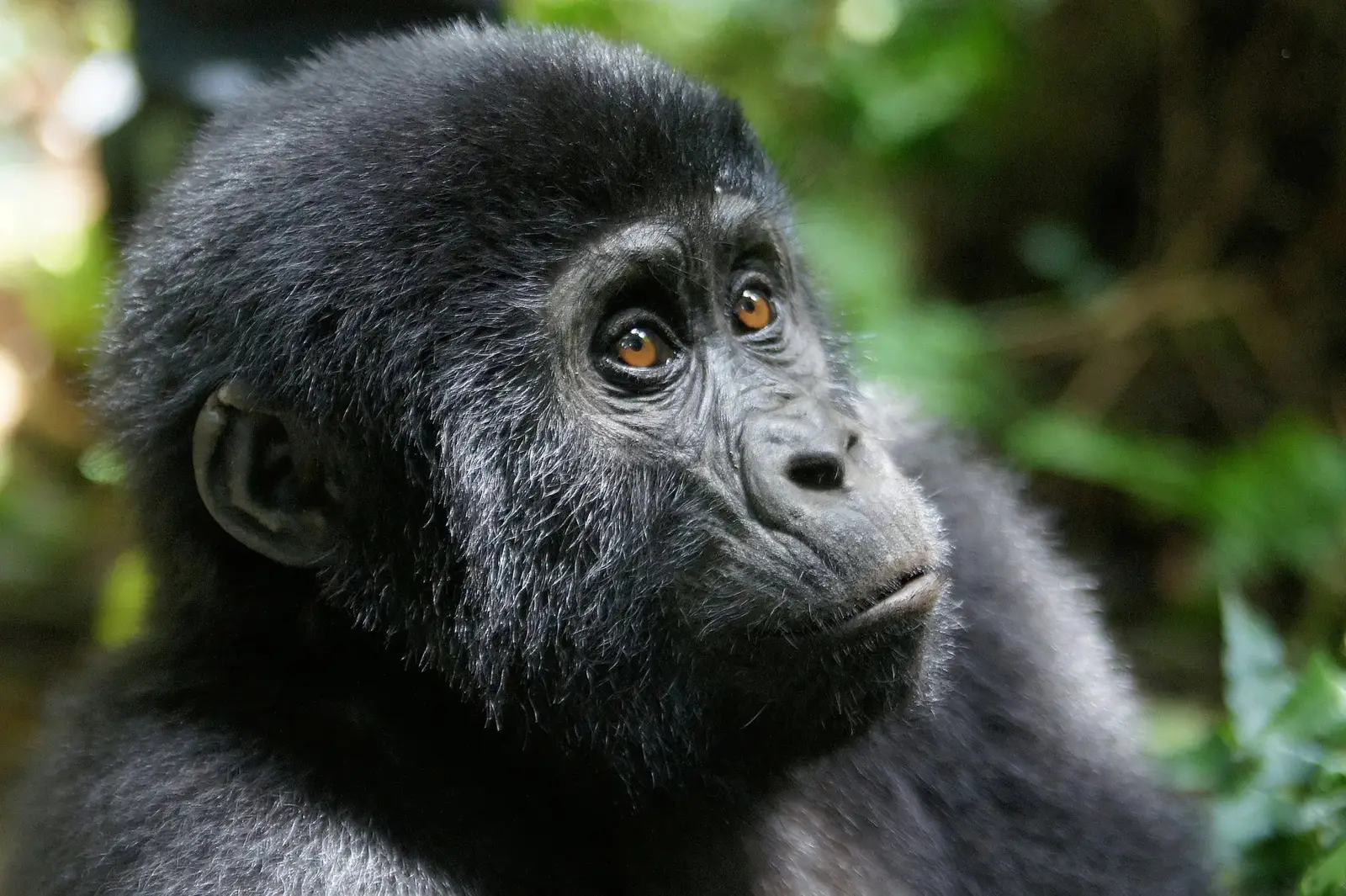
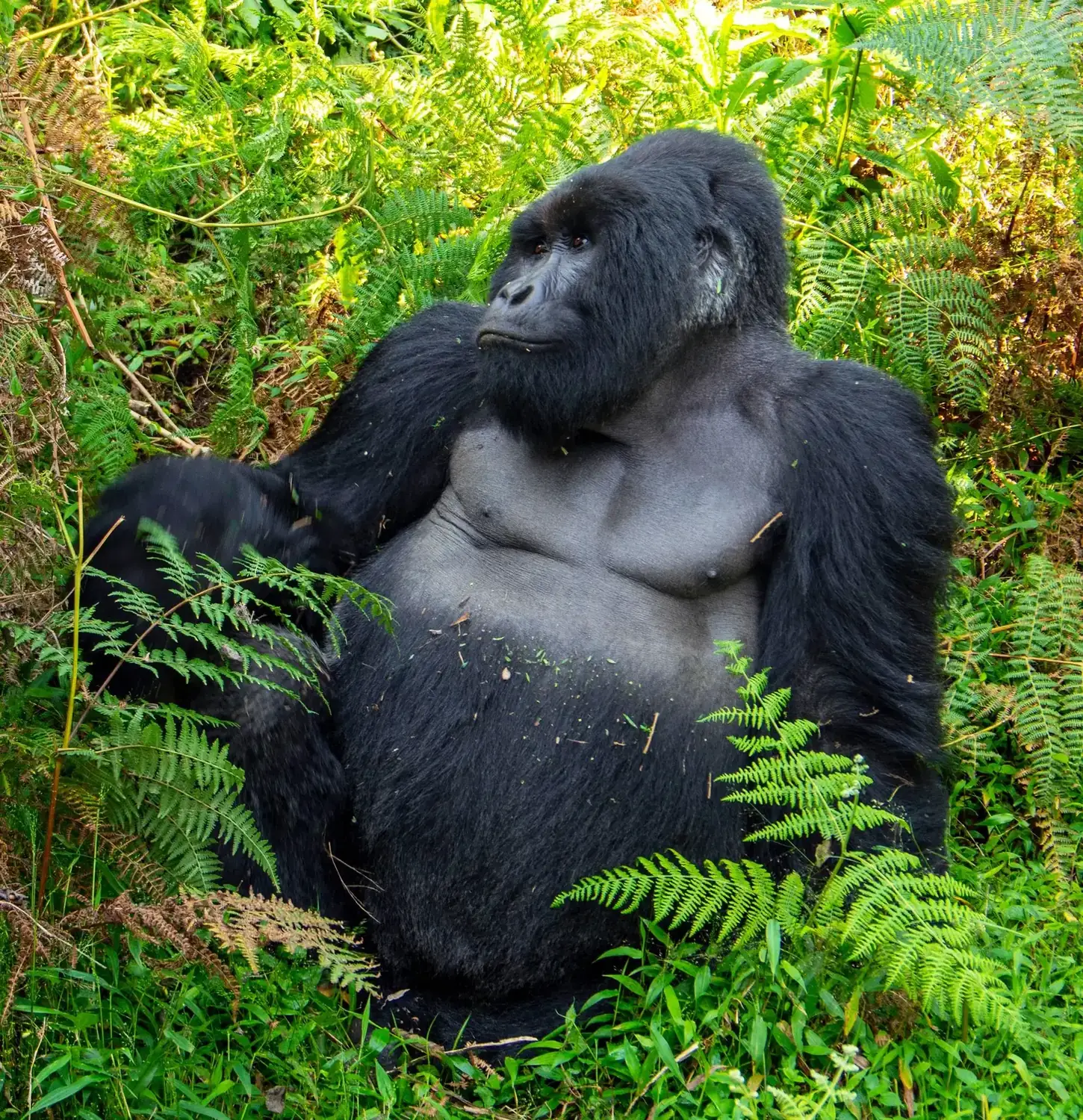
Rwanda holds approximately 160 mountain gorillas across 12 habituated families in Volcanoes National Park. Uganda holds approximately 459 mountain gorillas across 26 habituated families in Bwindi Impenetrable Forest, plus a further family in Mgahinga Gorilla National Park. Uganda has nearly three times the gorilla population and more than twice the number of habituated families.
Rwanda charges $1,500 per person for a gorilla trekking permit. Uganda charges $800. Eight people are allowed per family per day in both countries. In Rwanda, demand consistently exceeds supply during peak season. In Uganda, permits are available with reasonable forward planning.
You are not choosing between two versions of the same experience. You are choosing between two entirely different forests, two different countries, and two different conservation histories.
The forest character
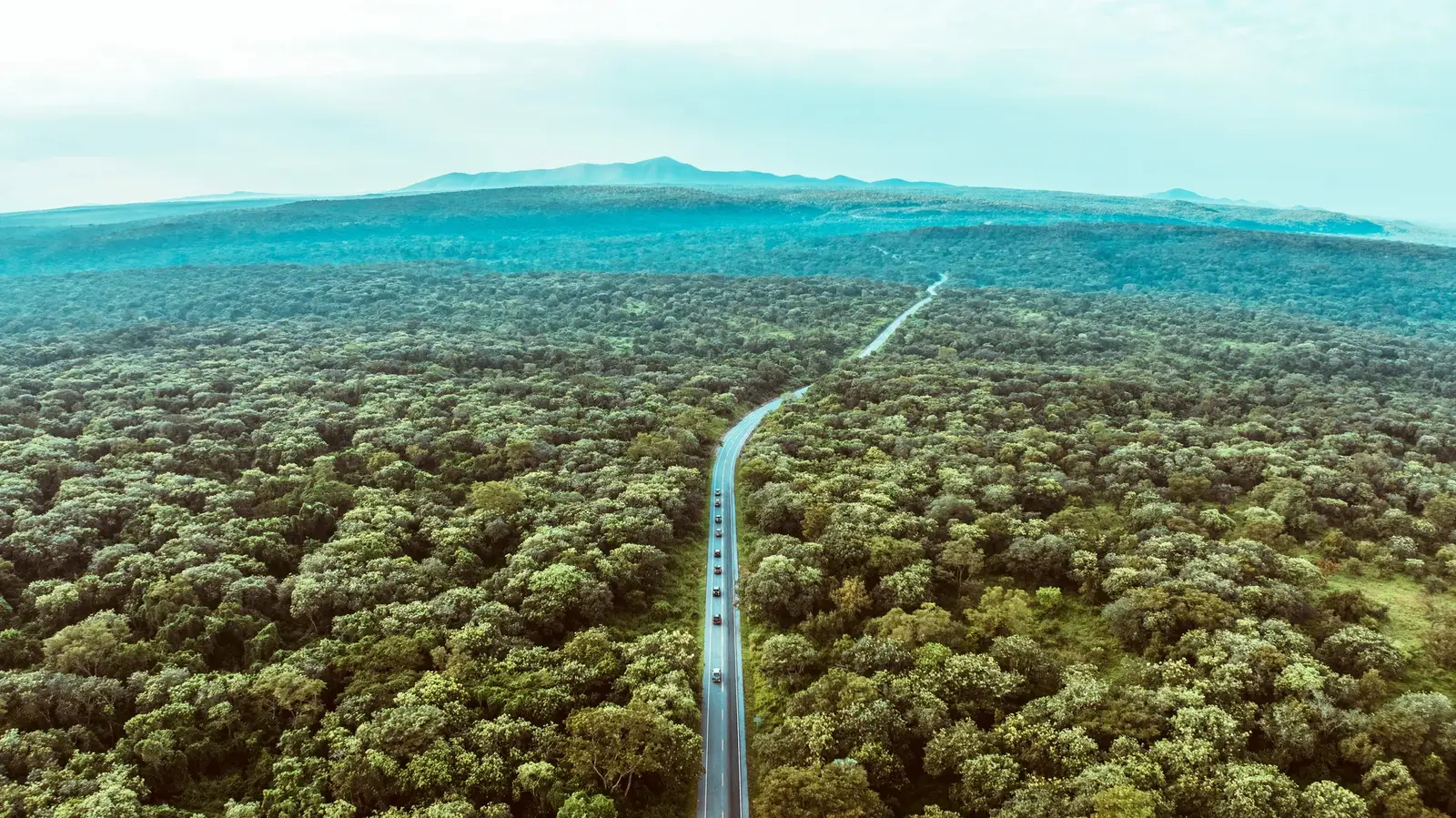
Volcanoes National Park in Rwanda is spectacular. Volcanic peaks, bamboo forests, open moorland. It is beautiful and well managed. Bwindi Impenetrable Forest is something else. A lowland to montane ancient forest so dense that satellite imagery shows it as an unbroken dark mass. The name impenetrable was given by the Bakiga people for good reason. It is harder, muddier, more enveloping.
Both forests produce extraordinary encounters. The distinction is character. Rwanda's treks tend to be shorter, the families often ranging closer to the park boundary, and are more accessible. Uganda's treks can be more demanding, and the forest environment is more immersive. Many guests describe Bwindi as the more visceral experience precisely because of this.
The lodge question
Rwanda has built a world class lodge tourism infrastructure around its gorillas. Singita Kwitonda, One and Only Gorilla's Nest, Wilderness Bisate. These are among the finest lodge brands operating anywhere in Africa. The service levels are exceptional. Rwanda has invested heavily and it shows.
Uganda's lodge quality has improved significantly in the last decade. Trackers Safari Lodge in Buhoma, the brand's Bwindi property, offers Normal Rooms at the luxury tier and Superior Rooms at the ultra-luxury tier, alongside Bwindi Lodge, Clouds Mountain Gorilla Lodge and other peers operating at genuine international comfort standards. The infrastructure is slightly less polished than Rwanda's, roads are slower and logistics more complex. But this is not necessarily a negative. It is part of what keeps Bwindi from feeling managed and curated rather than wild.
The conservation case
Both countries have conservation models that are working. Mountain gorilla populations are increasing across both. Uganda's model features stronger community integration. 20 percent of all park entry fees are legally required to be returned to surrounding communities. When the people living next to the forest benefit financially from its protection, they protect it.
The verdict
If you want maximum ease, shorter trek distances, and the highest concentration of lodge options, Rwanda is the right choice. If you want a larger gorilla population, a more ancient and immersive forest, and a conservation experience with stronger community ties, Uganda is the right choice. I tell every guest honestly. Rwanda is not inferior. It is different. Choose the forest that matches how you want the encounter to feel.
Written by
Vincent Arihoruhanga
Founder, Bwindi House Gorilla Safaris.