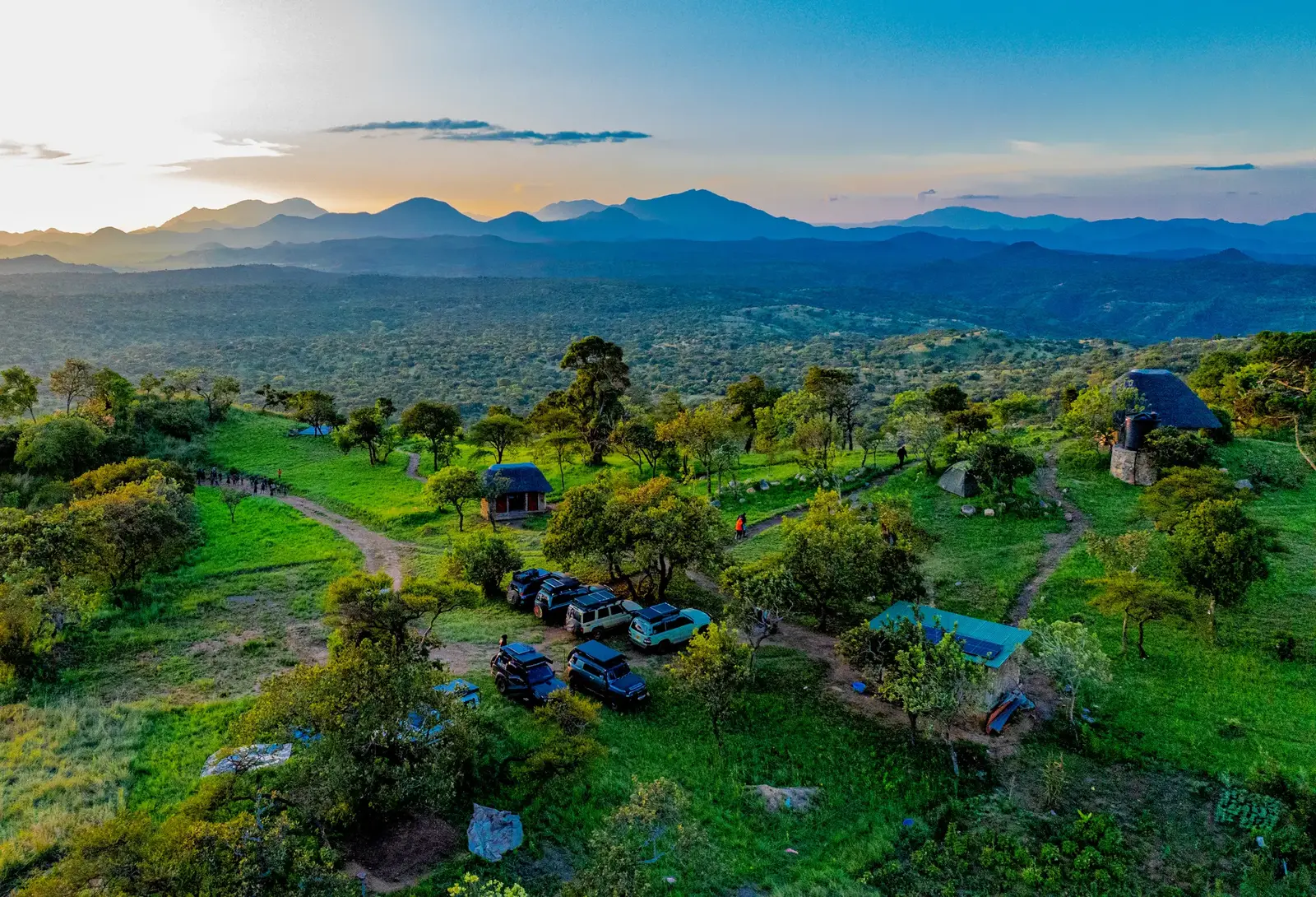
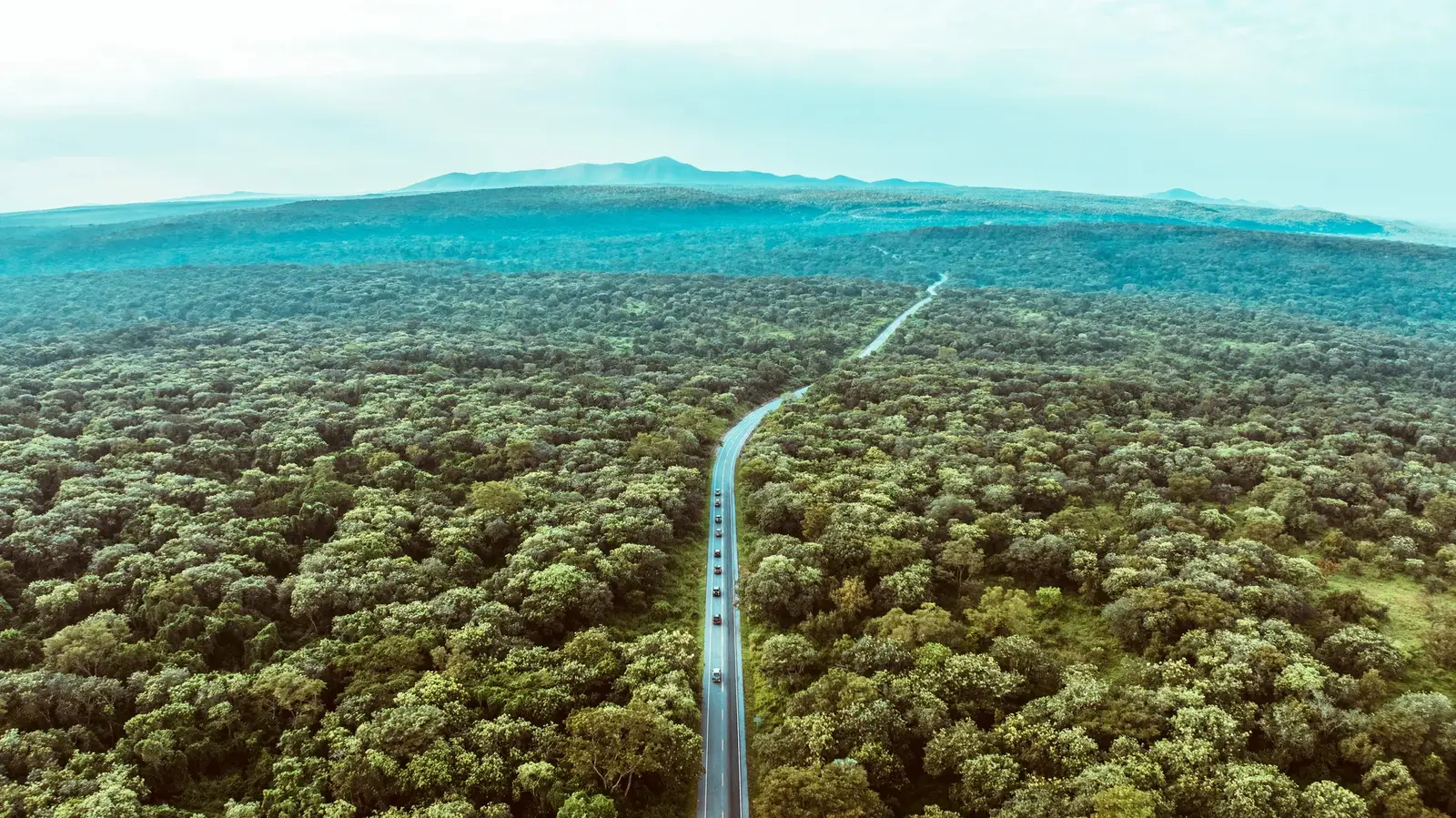
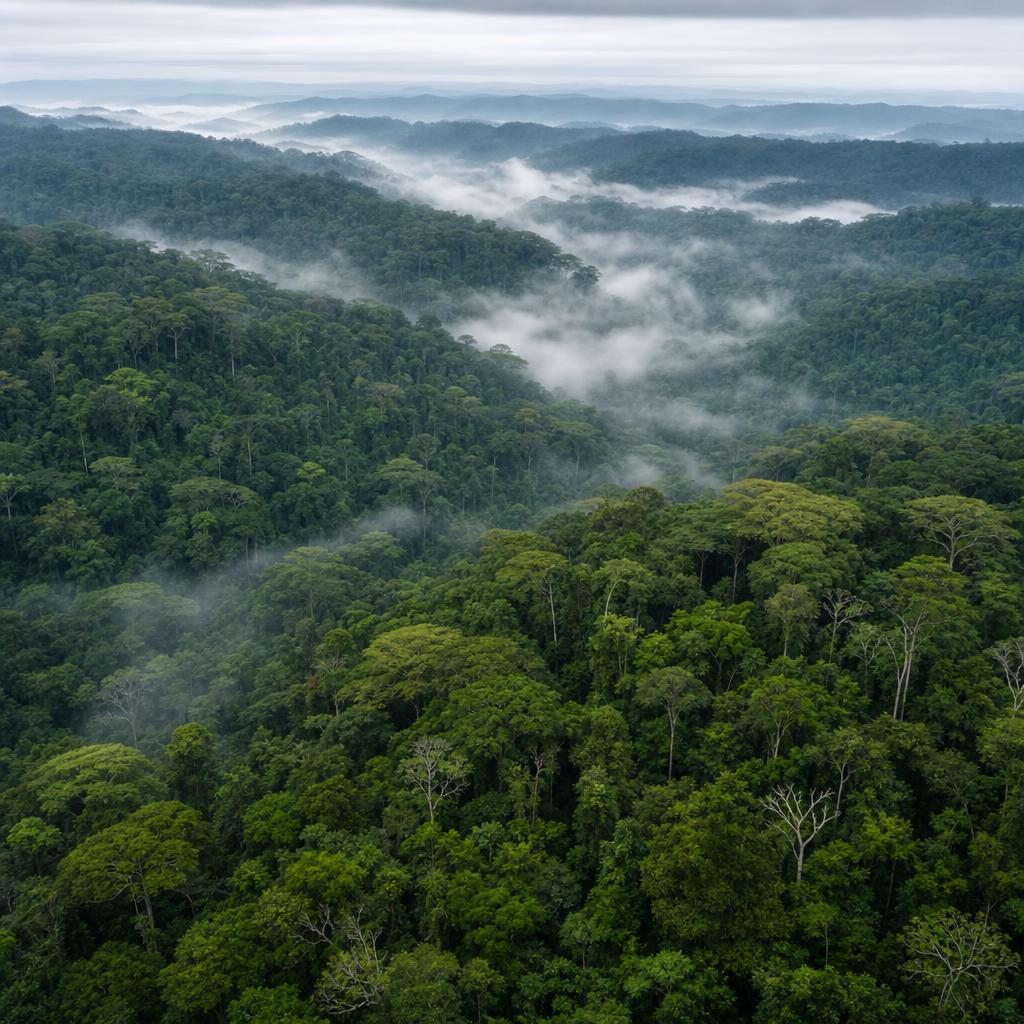
Bwindi Impenetrable National Park covers just over 330 square kilometres of ancient Afromontane rainforest. The Uganda Wildlife Authority has divided its gorilla trekking operations across four distinct sectors, each positioned at a different point on the park's perimeter, each with its own gorilla families, terrain character, access logistics, and lodge ecosystem.
When I build a Bwindi House Gorilla Safaris journey, the sector choice is one of the first real decisions we make together. It is not a minor logistical preference. The sector shapes the character of your entire trek. Here is an honest assessment of all four, and the questions that determine which one is right for you.
Buhoma — the original and the most accessible
Buhoma is where Uganda's gorilla trekking history begins. It was the first sector to be opened to visitors in the early 1990s, and it remains the best-served in terms of accommodation, infrastructure, and flight connections. The Kihihi airstrip — the closest to Bwindi — serves Buhoma, making fly-in guests predominantly Buhoma visitors.
Buhoma typically has four to five habituated families available for permits. The Mubare family is one of Uganda's longest-habituated, first habituated in 1991. Trek difficulty in Buhoma varies considerably — some days are relatively accessible, others involve steep descents into the forest interior. The community around Buhoma is established and the tourism ecosystem is the most mature in the park.
Buhoma is right for you if:
- You are on a tighter schedule and need reliable fly-in access
- You value the widest range of accommodation options, from mid-range lodges to high-end properties at the forest edge
- You are first-time gorilla trekkers who want the most established infrastructure
- You are combining your trek with other northern Uganda destinations like Kibale or Murchison
Ruhija — for serious birders and the wildest terrain
Ruhija sits at the highest elevation of the four sectors, deep in the park's eastern highlands. It is significantly less developed than Buhoma, with fewer lodge options and less tourist traffic. For those two reasons alone it appeals to a particular kind of traveller.
The gorilla families in Ruhija include Bitukura and Oruzogo, both well-habituated and with notable family sizes. Bitukura is one of the larger families in Bwindi. But Ruhija's secondary appeal is its extraordinary birding. Sitting at the elevation where the forest transitions into montane heath, Ruhija offers access to a suite of Albertine Rift endemic species that cannot be found at lower altitudes. The African green broadbill, the Shelley's crimsonwing, the grauer's rush warbler. For a birding traveller who also wants gorillas, Ruhija is the only sector that serves both passions at the same level.
Ruhija is right for you if:
- You are an active birder with an interest in Albertine Rift endemics alongside your gorilla trek
- You prefer fewer tourist encounters and a quieter, less developed forest edge
- You are comfortable with a longer access road from Kabale and a more remote setting
- You are seeking a more adventurous and less polished experience
Rushaga — home of the habituation experience
Rushaga holds the highest number of habituated gorilla families of any sector — typically eight or more, including several that are relatively recently habituated and still in the final stages of the process. More importantly, Rushaga is the only sector where Uganda Wildlife Authority issues habituation experience permits, the four-hour deep immersion that replaces the standard one-hour trek.
The Habituation Experience is a significantly different product from standard trekking. You join a UWA research team in the field and spend up to four hours with a family that is still being gradually acclimatised to human presence. The interaction is more intimate, longer, and genuinely more demanding — of your patience, your physical endurance, and your emotional readiness. It is not for every traveller, and I say that without judgment. It is, however, for a particular kind of traveller who has thought carefully about what they want from this encounter, and for that person, Rushaga is the only answer in Uganda.
8+
families in Rushaga
4 hrs
habituation permit
$1,500
habituation permit fee
$800
standard permit fee
Rushaga is right for you if:
- You want the gorilla habituation experience — this is only available here
- You want maximum permit flexibility, as the larger family count means more available dates
- You are travelling from Rwanda and want to minimise road time, as Rushaga is the closest Bwindi sector to the Rwanda border
- You are a repeat gorilla trekker looking to deepen the encounter beyond the standard hour
Nkuringo — drama, views, and the most physical trek
Nkuringo occupies the southwestern edge of Bwindi at an altitude that offers views across into the DRC on clear days. It is the smallest sector in terms of habituated families — usually one or two — and logistically it is the most remote.
What Nkuringo has that no other sector can match is its dramatic highland scenery and its trek character. The approach descends steeply into the gorge before the family is reached, which means the return climb is the hardest section rather than the departure — an unusual and demanding structure. The viewpoints from the Nkuringo ridge are among the finest in the park.
Nkuringo has fewer families, which means fewer available permits and less scheduling flexibility. It is a meaningful choice rather than a default, and I tend to recommend it to guests who are specifically seeking that landscape character and who have the fitness to handle the return climb.
Nkuringo is right for you if:
- You are seeking the most dramatic highland scenery and cross-border views into DRC
- You are highly experienced trekkers comfortable with demanding terrain
- You are comfortable with limited lodge options and a remote setting
- You have flexible dates, as the smaller permit pool means more planning lead time
How to choose
The right sector is the one that fits the kind of journey you want to have — not the one with the most famous lodge or the most convenient flight.
In practice, here is how most Bwindi House Gorilla Safaris journeys come together. We begin with the habituation question — do you want the four-hour experience or the standard trek. If habituation, the sector is Rushaga and the rest follows from there. If standard trekking, we look at your access routing, your fitness level, and whether you have any secondary interests like birding, then match accordingly.
For first-time visitors who want a well-supported, logistically straightforward experience with good accommodation options, Buhoma is usually the answer. For those who have trekked before and want something more intense, Ruhija or Nkuringo. For the habituation experience, only Rushaga.
Written by
Vincent Arihoruhanga
Founder, Bwindi House Gorilla Safaris.