Best Time to Visit Bwindi
There is no bad month to be in Bwindi, only different ones. Drier trails, greener forest, fewer travellers, better light. A month-by-month read on what each window actually feels like on the ground.
- Open for trekking
- Year-round, subject to UWA park calendar
- Generally drier months
- June to September, mid-December to mid-February
- Wetter months
- March to May, October to November
- Peak permit demand
- June to September, December to early February
- Lodge rate dips often available
- April, May, November (lodge-specific)
- Recommended booking window (peak)
- Six to twelve months ahead
- Recommended booking window (shoulder)
- Three to six months ahead
- Permit price by season
- Same year-round (USD 800 trek / USD 1,500 habituation)
The quick answer on when to visit Bwindi
Bwindi is a rainforest at altitude in south-western Uganda. It can be visited every month of the year, and the encounter with the gorillas is moving in any season. The honest framing is not "best month" but "which month suits your priorities". Drier trails, permit availability, softer light, fewer travellers, and lower lodge rates each point to a different window.
As a working summary, June to September and mid-December to mid-February are the most popular windows for trekking comfort. March to May and October to November are the wetter, quieter, lusher windows that reward travellers who want atmosphere and value over the easiest trail. Permits should still be booked early in either case.
Bwindi month-by-month planning table
| Month | Weather pattern | Trail conditions | Permit demand | Best for |
|---|---|---|---|---|
| January | Generally drier, warm | Mostly firm, occasional rain | High (holiday tail) | First-time visitors, families |
| February | Generally drier | Firm trails, dust in places | High | First-time visitors, photography |
| March | Long rains start | Increasingly muddy | Moderate | Atmosphere, fewer travellers |
| April | Wetter, peak rainfall | Muddy, slippery sections | Lower | Lower-season value, photographers comfortable with wet |
| May | Tail of long rains | Wet, lush forest | Lower | Value seekers, return visitors |
| June | Drying out, cool mornings | Firming, comfortable | Rising | First-time visitors, photographers |
| July | Generally drier | Firm, comfortable | Peak | First-time visitors, families |
| August | Generally drier | Firm, dustier in places | Peak | Photographers, classic season |
| September | Generally drier | Firm, comfortable | Peak | Habituation, photographers |
| October | Short rains start | Increasingly muddy | Moderate | Quieter forest, atmospheric encounters |
| November | Short rains | Wet, soft trails | Lower | Value seekers, photographers |
| December | Drying mid-month | Improving into mid-Dec | Rising into peak | Holiday travellers, families |
This table is a planning lens, not a forecast. Bwindi's weather is local and altitude-sensitive. Two sectors on the same morning can experience meaningfully different conditions.
Dry season trekking in Bwindi
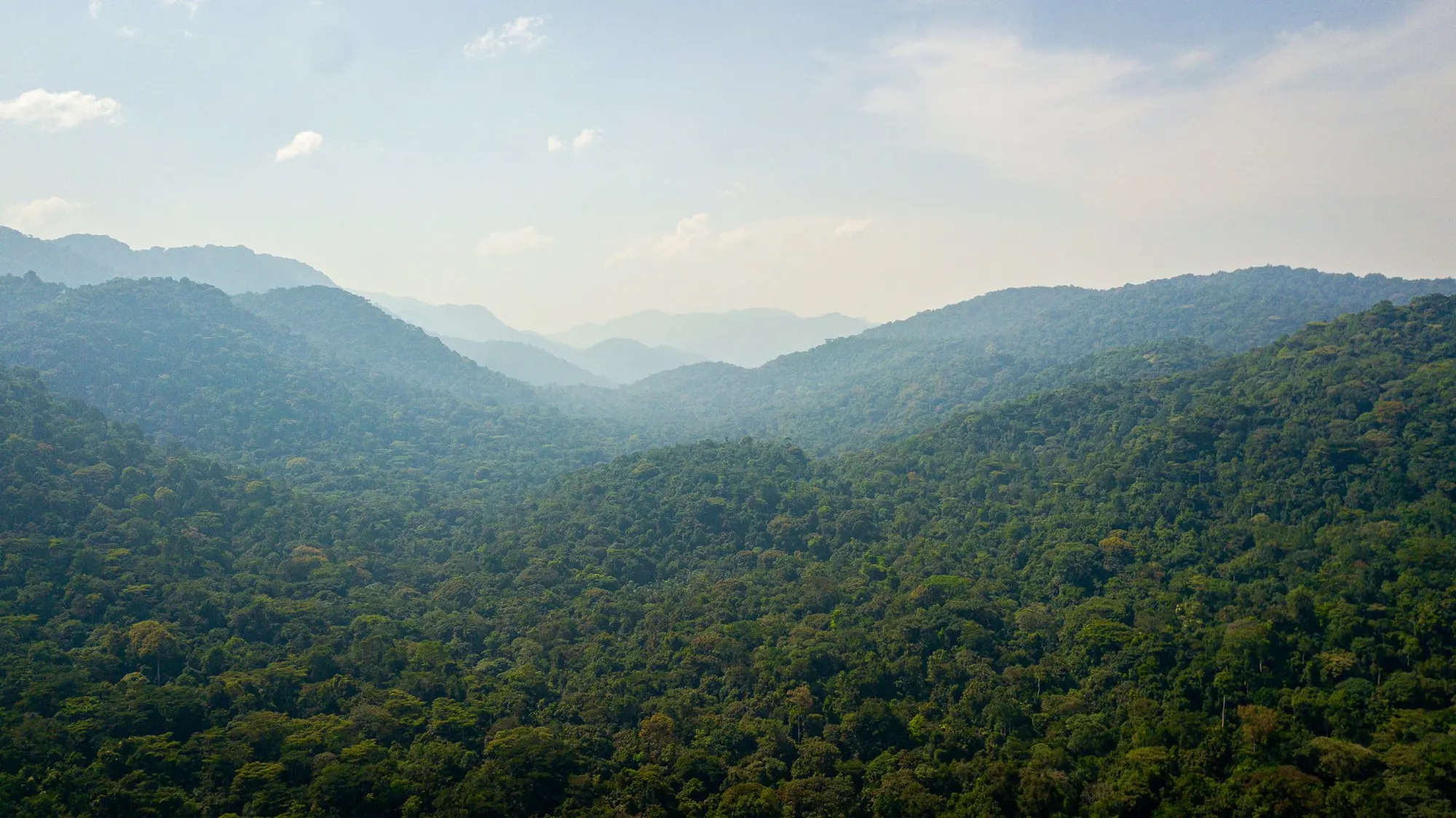
June, July, August, September, January and February are the months most travellers think of as dry season. Mornings are cool and clear, mid-mornings warm pleasantly, and afternoon showers are possible but not the rule. Trails are typically firmer underfoot, which makes the trek physically easier and the photography conditions cleaner.
The trade-off is demand. Permits for these months sell early and premium lodges fill earlier still. If your travel window is locked to a school holiday in July or August, book by January at the latest, ideally earlier.
Rainy season trekking, honestly described
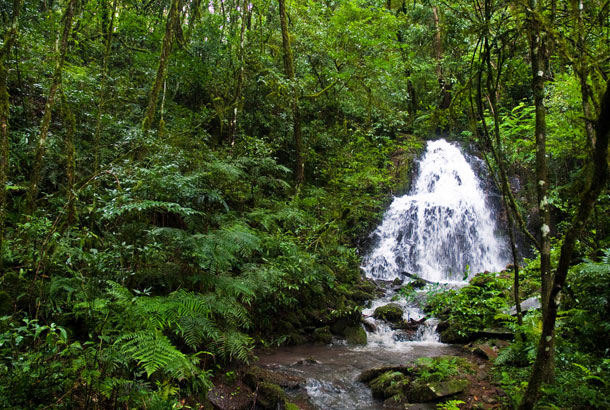
March to May and October to November bring more rain to Bwindi. Trails become slippery, the forest darkens and softens, mist sits longer in the canopy, and the encounter takes on a more atmospheric quality. Travellers who arrive prepared often describe these months as their favourites.
The honest trade-offs are real. Trekking is physically harder. Schedule flexibility may be needed. Roads can become slow in places. A porter is essential, not optional. In return, the forest is at its most photogenic, lodge rates often soften, and you may share your gorilla family with one or two other guests rather than seven.
Best time for first-time travellers
For a first gorilla trek, we usually recommend the drier windows of June to September or mid-December to mid-February. The trail is more forgiving, the briefing is simpler, and the trip feels less weather-dependent. Book early, accept that you will share peak season with other travellers, and trust the conditions.
Best time for photographers
Photographers should think about light, atmosphere and time, not just weather. Mist and soft light favour the shoulder months. Cleaner light and firmer trails favour the drier months. Habituation in Rushaga, year-round but most comfortable in the drier windows, gives the longest single field session for photography in Uganda.
The single most useful lever for serious photography is not a particular month, it is a habituation permit and an extra night, regardless of season.
Best time for the habituation experience
Habituation is offered year-round in Rushaga. The drier windows make a full day in the forest more comfortable physically, but the experience itself is available in every month. Habituation permits should be planned twelve months ahead because the eligible families are far fewer than for standard trekking.
Best time for families
Families travelling with eligible teenagers tend to favour the school-holiday windows of late July to early September and mid-December to early January. These are comfortable trekking months and align with peak permit demand. Book 9 to 12 months ahead if possible.
Best time for lower-season value
UWA permit rates do not change by season. The value lever in low-season trekking is on the lodge side, where some lodges publish lower shoulder and low-season rates from roughly April, May and November. We do not promise discounts, but we routinely build lower-cost journeys in these months when lodge calendars allow it.
Road vs fly-in by season
In drier months, road transfers from Entebbe to Bwindi work cleanly with overnight stops near Lake Mburo or Kibale. In wetter months, certain sections slow down meaningfully, and adding a one-way scheduled flight to Kihihi or Kisoro often improves both timing and comfort. For travellers visiting in March, April, May, October or November, fly-in is worth considering even on shorter trips.
How early to book by season
- Peak windows (June to September, late December to early February): six to twelve months ahead.
- Habituation: twelve months ahead in any season.
- Shoulder windows: three to six months ahead is usually workable.
- Late availability: short-notice trips are possible if you stay flexible on sector and lodge.
The Bwindi House Gorilla Safaris recommendation
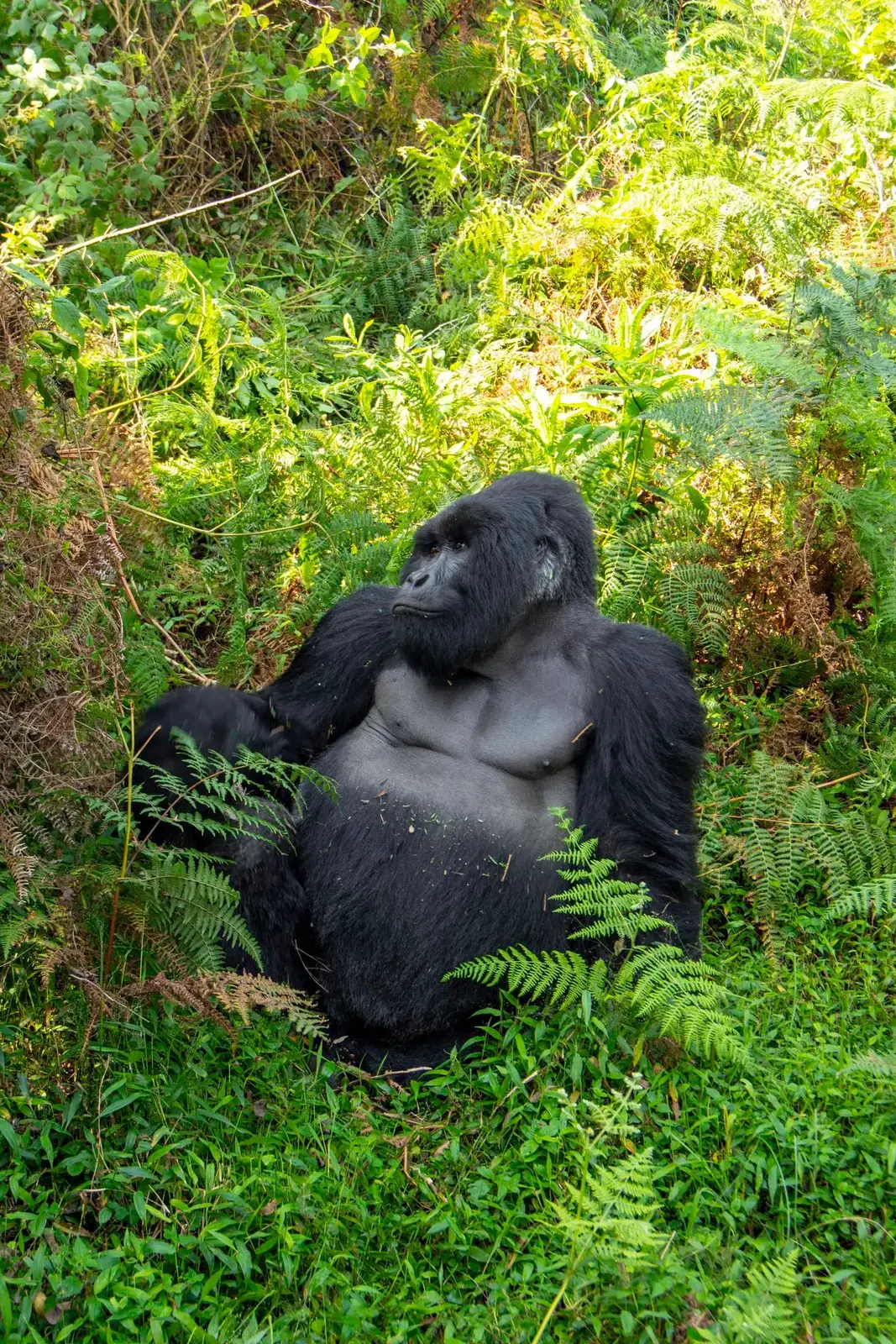
For travellers who want the easiest conditions, choose a drier window and book early. For travellers who want atmosphere, flexibility and softer rates, consider the shoulder months and arrive with the right kit. For habituation, plan around Rushaga permit availability first, then choose the season that suits your fitness.
Tell us your month and we will advise the best sector and route
Send us your travel window and rough days available. We will come back with the best sector for that month, lodge availability and a proposed route, with the seasonal trade-offs written down clearly.