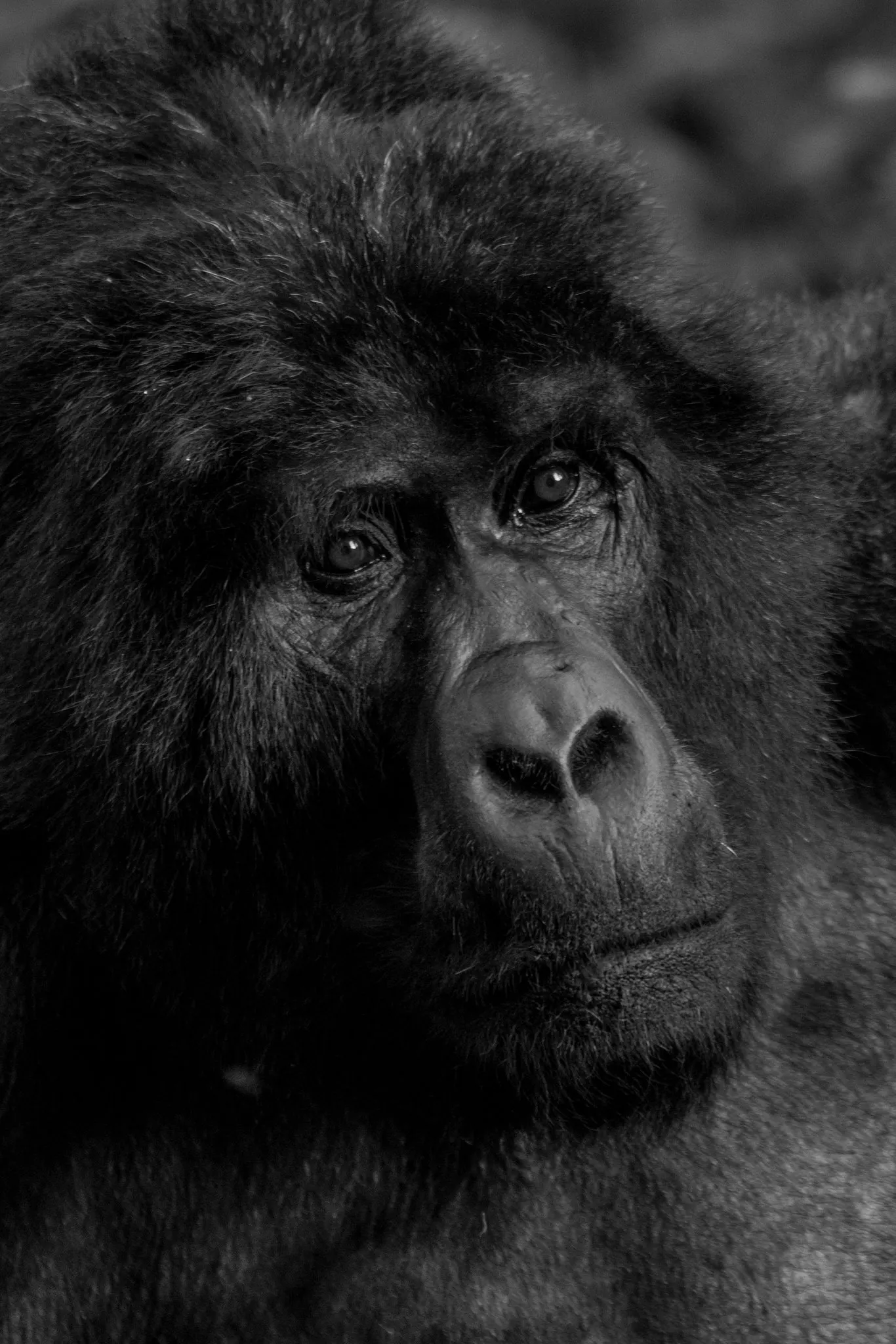
Uganda Gorilla Permits Explained
Everything the brochures gloss over: how a Uganda gorilla permit is really released, why the right sector matters more than the right month, and the quiet decisions that turn an idea into a confirmed morning in the forest.
- Issued by
- Uganda Wildlife Authority (UWA)
- Trekking permit (foreign non-resident)
- USD 800 per person, per day
- Habituation permit (foreign non-resident)
- USD 1,500 per person, per day
- Standard trek field time
- Up to one hour with the family
- Habituation field time
- Longer session, subject to field rules
- Best window to book
- Six to twelve months ahead in peak season
- Habituation sector
- Rushaga, southern Bwindi
- Minimum age
- Fifteen years for trekking and habituation
What a Uganda gorilla permit actually is
A Uganda gorilla permit is the official authorisation, issued by the Uganda Wildlife Authority, to spend regulated field time with a specific habituated gorilla family on a specific day, in a specific sector of Bwindi Impenetrable National Park or Mgahinga Gorilla National Park. It is not a generic park entry ticket, it is not transferable, and it is not the same as a tour package. The permit is the foundation of every gorilla journey, and the lodge, transport and route should be built around it, not the other way round.
Travellers often imagine the permit as an extra line item on an invoice. It is in fact the single most constrained piece of the trip. Only a small, fixed number of permits are released per gorilla family, per day, and they sell into specific weeks of the year. The order of planning we recommend is simple: confirm the right sector for your dates, lock the permit, then design the journey around it.
Who issues gorilla permits in Uganda
Permits are issued and controlled by Uganda Wildlife Authority, the statutory body responsible for protected areas and wildlife in Uganda. UWA sets the rate card, publishes seasonal availability, manages the gorilla habituation programme, and enforces field conduct in the forest. Tour operators do not set permit prices and do not control allocation. Operators like Bwindi House Gorilla Safaris work with the official availability system, match permits to dates and sectors, and bundle them into a properly costed journey.
Trekking permits vs habituation permits
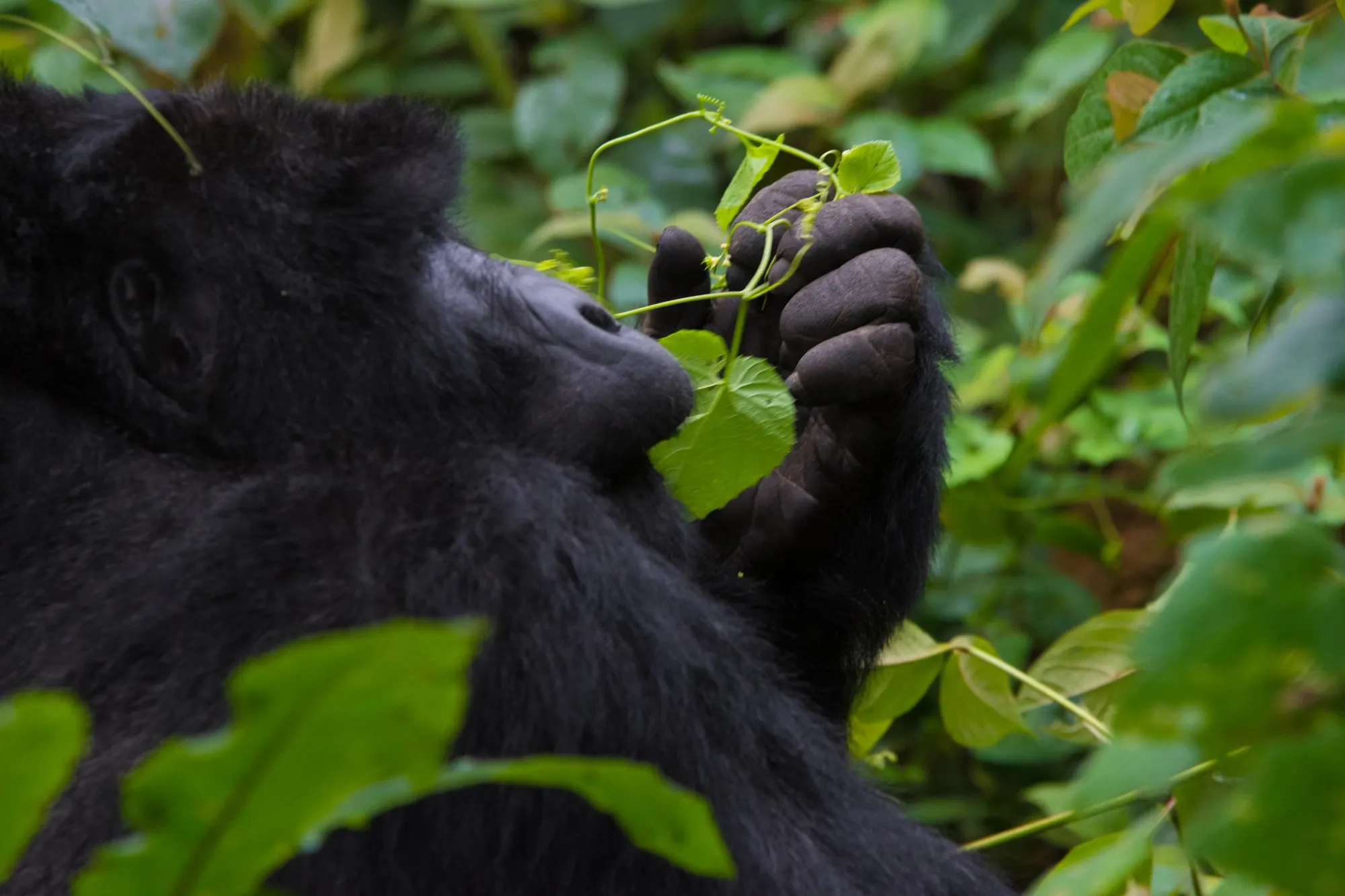
UWA issues two distinct gorilla permits in Uganda, and they are not interchangeable. The standard trekking permit grants a guided trek to a fully habituated gorilla family with up to one hour in their presence once contact is made. The habituation permit grants a longer, research-style session with a family currently undergoing the habituation process, and it is issued only in the Rushaga sector of Bwindi.
The difference matters for planning. Habituation is more demanding physically, the field time is longer, the group size is smaller, the photography window is broader, and the price is higher. Trekking is the right choice for most first-time travellers. Habituation is the right choice for serious wildlife travellers and photographers willing to invest the time, the fitness and the budget.
We cover the full comparison in our companion guide, gorilla trekking vs habituation.
Current Uganda gorilla permit costs
| Permit | Foreign non-resident | Foreign resident | East African citizen |
|---|---|---|---|
| Gorilla trekking | USD 800 | USD 700 | UGX 300,000 |
| Gorilla habituation (Rushaga) | USD 1,500 | USD 1,500 | UGX 750,000 |
| Mgahinga gorilla trekking | USD 800 | USD 700 | UGX 300,000 |
The headline figures to plan around are USD 800 for a standard trekking permit and USD 1,500 for a habituation permit, for foreign non-residents. We hold these rates current and apply them directly to every Bwindi House Gorilla Safaris proposal.
What a gorilla permit includes
A Uganda gorilla permit covers the official elements of the day in the forest. It does not cover the trip around it. Specifically, your permit gives you:
- Park access for the gorilla activity on the day printed on the permit.
- Mandatory ranger briefing at the sector headquarters before departure.
- Allocation to a specific gorilla family and trekking group.
- Lead ranger, trackers and armed escort throughout the field session.
- Up to one hour with the gorilla family for standard trekking, once contact is made.
- Longer field time for habituation, subject to ranger judgment and family behaviour.
- Conservation contribution built into the permit fee, distributed by UWA.
What a permit does not include
The permit is narrow on purpose. It controls access to the forest, not the journey to it. Everything below sits outside the permit and is composed by your operator:
- Lodge or camp accommodation
- Transport, road or fly-in
- Porter for the trek itself
- Meals, drinks and bottled water
- Tips for guides, trackers and porters
- Travel insurance and medical cover
- International and regional flights
- Private guide and vehicle
- Other park or community activities
This is one of the reasons a permit-only price is misleading. A real gorilla journey adds private guiding, lodge-based comfort, road or fly-in logistics, sector matching, briefings, recovery time, porter support and on-call assistance. Our cost guide breaks down the full picture in gorilla trekking cost in Uganda.
How many gorilla permits are available
UWA releases a small, fixed number of permits per habituated gorilla family per day. The total daily allocation across Uganda is limited by the number of habituated families and is not publicly stated as a single round number. The practical takeaway is that supply is tight, peak weeks sell first, and habituation is the tightest of all because the eligible families are far fewer.
Treat permit availability as the gating constraint of your trip. Dates that look flexible to you may already be full in your preferred sector. Sector substitution, date shifts of a few days, and earlier booking are the three levers that turn an unbookable trip into a great one.
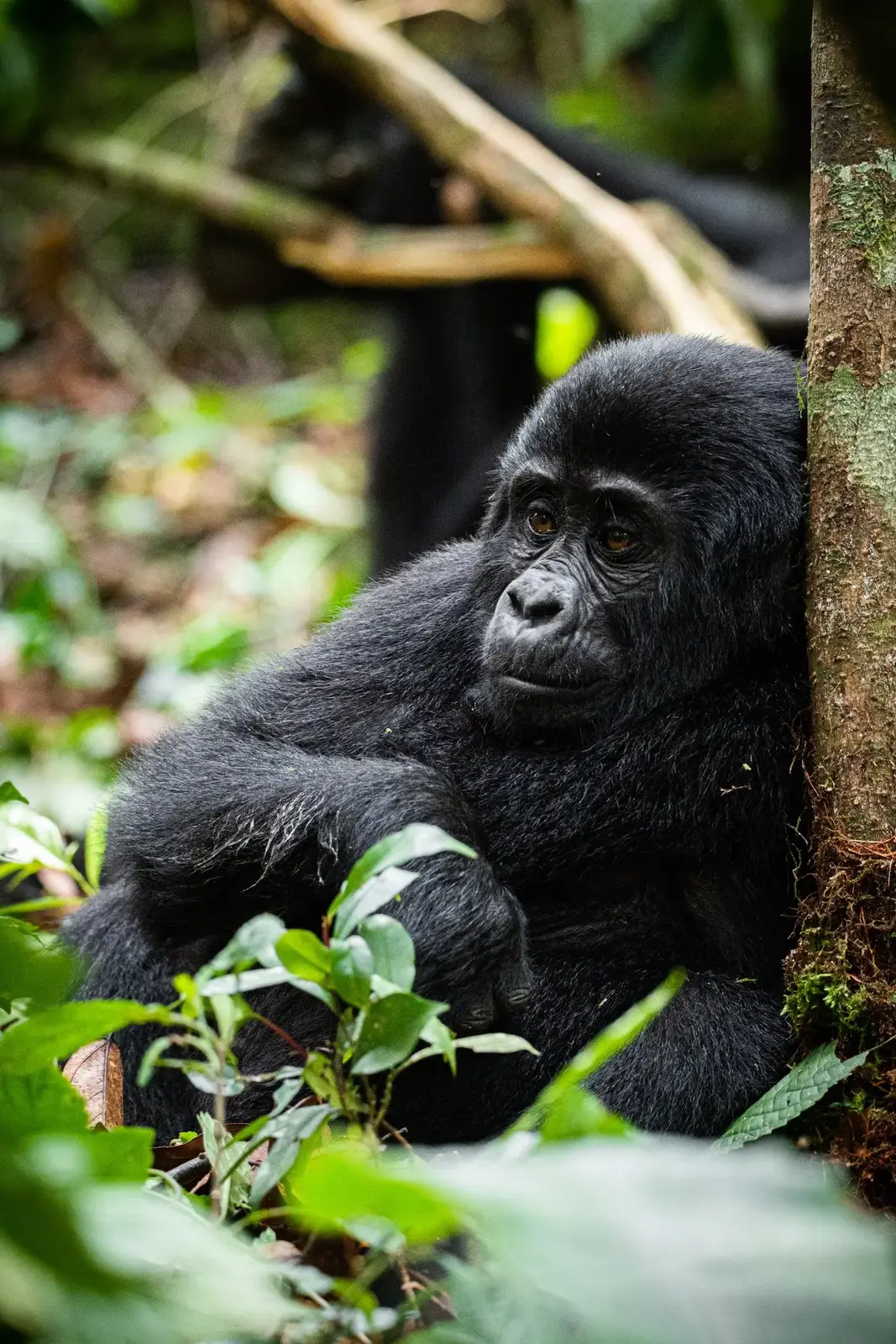
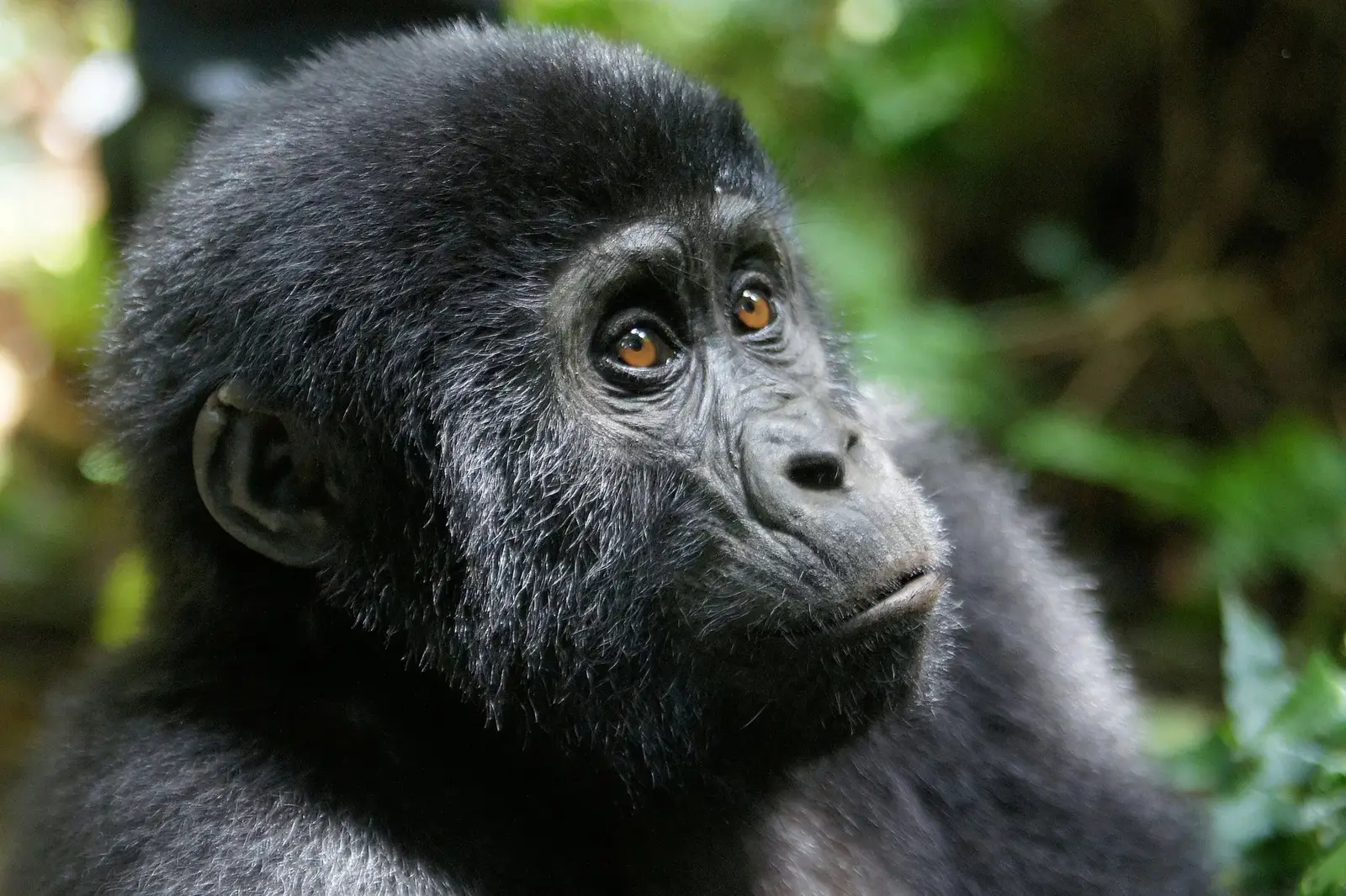
Which sectors of Bwindi use gorilla permits
| Sector | Region | Best for | Bwindi House Gorilla Safaris note |
|---|---|---|---|
| Buhoma | North | First-time travellers, comfortable infrastructure | Pairs with Trackers Safari Lodge for a settled base. |
| Rushaga | South | Habituation, multiple families, deeper forest | The only habituation sector. The default for serious gorilla travel. |
| Nkuringo | South-west | Steeper terrain, quieter trails, dramatic views | Choose this for a more physical, scenic trek. |
| Ruhija | East | Higher altitude, fewer crowds, birding combination | A good pair with primate-focused journeys. |
| Mgahinga | Mgahinga NP | Selective trekking, volcano scenery | Subject to availability and family movement across the border. |
The sector you trek in should be the sector your lodge is in. Crossing sectors on the morning of a trek is one of the most common planning mistakes in Uganda, and it turns a four-hour walk into a ten-hour day. The correct lodge, in the correct sector, on the correct date is one of the simplest tests of a properly designed itinerary.
Rushaga and gorilla habituation
If you are even considering habituation, your journey should be planned around Rushaga from the first day. Rushaga is the only sector in Uganda where the habituation experience is offered, and its calendar fills earliest. The right lodge in Rushaga, with a habituation permit secured, is the single decision that defines a habituation-led trip.
We compose Rushaga-based journeys around Gorilla Leisure Lodge for habituation guests, with route options into Lake Bunyonyi and onward to Mgahinga or Kibale for travellers who want to combine the longer field session with a wider primate route.
When to book your gorilla permit
The honest answer is, sooner than you think. Permits are released to operators and to UWA's own desk, and the peak weeks of June, July, August, September, December, January and early February consistently sell ahead of the season. Habituation availability is even tighter. Specific lodge requests, ultra-luxury rooms and family suites compress the calendar further.
- Peak season: aim for six to twelve months before travel.
- Habituation or specific lodge: twelve months is sensible, longer for school holidays.
- Shoulder months: three to six months is workable for flexible travellers.
- Late availability: shorter windows are possible if you are flexible on sector and lodge.
Flexible dates of two or three days are often the difference between a confirmed permit in your preferred sector and a substitution. We always ask for an ideal window and a fallback window before checking availability.
Can Bwindi House Gorilla Safaris book your gorilla permit?
Yes. Bwindi House Gorilla Safaris coordinates permit availability with UWA, matches your dates to the right sector and family, and pairs the permit with a lodge that sits in that sector. We do not quote a journey before confirming permit availability, because a quote without a permit is a guess.
Working with a registered operator also gives you a single point of accountability if anything moves: family substitutions, sector shifts due to family movement, last-minute briefing time changes, or weather-driven adjustments. These are normal in the forest, and they are easier to manage when one team holds the full plan.
Permit rules and responsible behaviour in the forest
The rules in the forest exist to protect the gorillas first, and the experience second. They apply to every permit holder, including private and high-spend guests. Your ranger team will brief them again at the sector headquarters on the morning of your trek.
- Minimum age of fifteen at the time of the trek.
- Travellers with any infectious illness must not enter the forest, including a cold or flu.
- Maintain the official distance from the gorillas, currently set by UWA for both human and gorilla safety.
- No flash photography at any time.
- Time with the gorillas is capped at one hour for standard trekking.
- Voices kept low, movements calm, and ranger instructions followed without exception.
- Porters are strongly recommended for both forest etiquette and direct community income.
For the avoidance of doubt: rangers can and will end a session early if the family becomes stressed or the group fails to follow instructions. The permit is for regulated access, not unlimited access.
Let us check permit availability before we build the journey
Tell us your travel window, ideal sector, and whether you are leaning trekking or habituation. We will come back with permit availability, sector recommendation and a proposed route within two working days.