Fitness and the Bwindi gorilla trek
How hard is the Bwindi gorilla trek, really? An honest read on terrain, altitude, duration and difficulty, plus how to prepare your body so the forest feels like a privilege, not a trial.
- Fitness needed
- Everyday walking fitness, not athletic
- Walking time
- One to six hours each way, sometimes more
- Time with gorillas
- One hour (trek) or up to four (habituation)
- Terrain
- Steep, muddy rainforest at altitude
- Altitude range
- About 1,160 to 2,600 metres
- Porter
- Strongly recommended, supports local income
- Sedan chair
- Available on request, arrange in advance
- Best preparation
- Steady hill walking for two to three months
The honest answer on how hard the trek is
The Bwindi gorilla trek is achievable for most reasonably active travellers, and it is also genuinely demanding on some days. Both things are true. The difficulty is not fixed. It depends on where the gorilla family has moved overnight, on the sector you trek from, on recent rain, and on your own fitness on the day.
The right way to prepare is not to panic and not to underestimate it. Build some steady walking into the months before you travel, hire a porter, set honest expectations with us so we can place you in a suitable sector, and let the rangers do what they do superbly, which is bring you to the gorillas at a pace that works for your group.
How hard is gorilla trekking, day to day
Treks are loosely graded short, medium or long, based on the likely location of each habituated family that morning. A short trek might be ninety minutes of walking each way on gentler ground. A long trek can be five or six hours each way over steep, slippery terrain. Rangers radio between groups and do their best to match travellers to a family that suits their fitness, which is one reason an honest conversation beforehand matters so much.
What makes Bwindi feel harder than the distance suggests is the combination of gradient, altitude and mud. You are rarely on flat ground, the air is thinner than at sea level, and after rain the clay soil is slick. None of this is beyond an ordinary walker who has done a little preparation, but it is not a stroll either.
Terrain, altitude and what your legs will feel
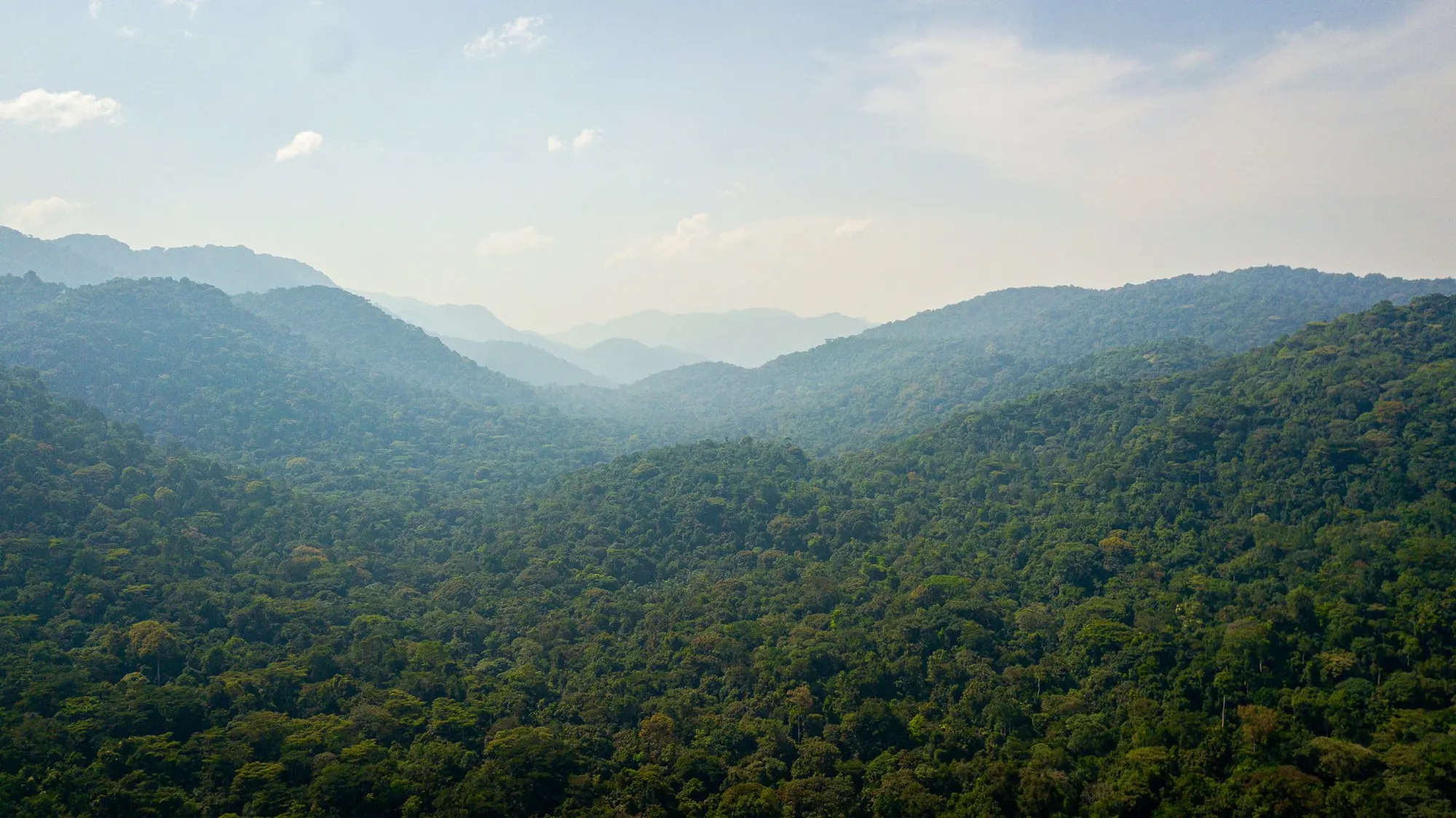
Bwindi Impenetrable Forest earns its name. The trails are narrow, often freshly cut by the ranger ahead of you, and they climb and drop through dense vegetation. You will cross small streams, step over roots, and use your hands on the steepest pitches. Trekking poles help, and so do broken-in, ankle-supporting waterproof boots.
Altitude is a gentle factor rather than a serious threat here. Most travellers notice only that the uphill sections leave them a little more breathless than they would expect at home. Arrive well rested, hydrate properly the day before, and walk the climbs slowly and steadily.
How long the day actually runs
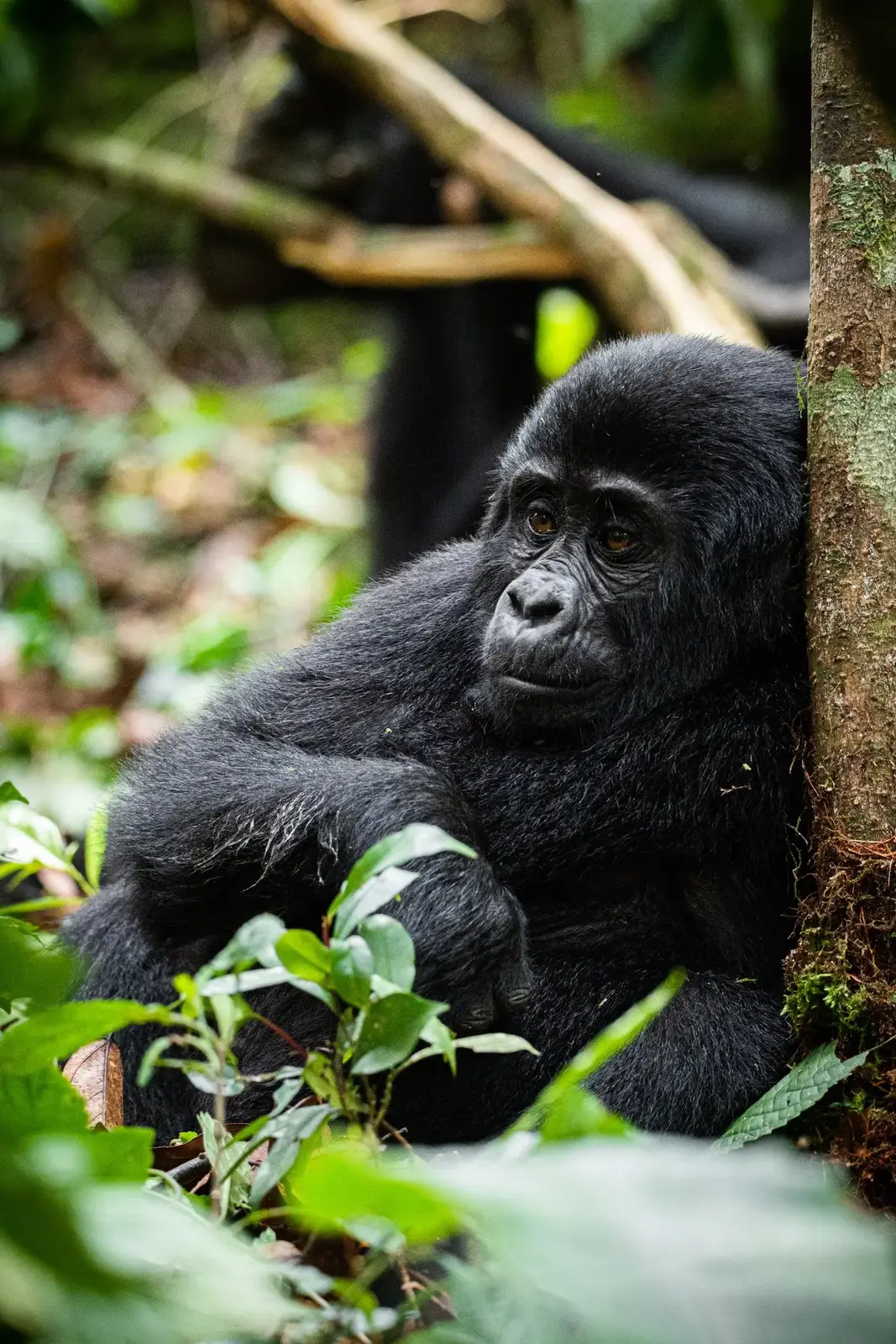
A trekking day starts early. You report to the park headquarters for a briefing at around eight in the morning, are allocated a gorilla family, and set off shortly after. The walk to the family can take one to six hours, you spend your timed hour with them, and then you walk back out. Most travellers are back at their lodge by early to mid afternoon, though a long trek can run later.
Build the rest of your day around the idea that the trek is the day. Plan something gentle for the afternoon, not a long road transfer, so you can savour the experience rather than rush from it.
Trekking and habituation compared by effort
| Standard trek | Habituation experience | |
|---|---|---|
| Permit | USD 800 | USD 1,500 |
| Time with gorillas | 1 hour | Up to 4 hours |
| Typical walking | 1 to 6 hours each way | Often longer, less predictable |
| Group size | Up to 8 trekkers | Up to 4 trekkers |
| Physical demand | Moderate to high | High, longer day in the forest |
| Best for | First-time and most travellers | Fit travellers, photographers, researchers at heart |
If you are fit and want the deepest possible encounter, the habituation experience in Rushaga rewards the extra effort. If this is your first trek, or your fitness is moderate, a standard trek gives you the full magic of the hour without the longer field day. Our guide to trekking versus habituation covers the choice in detail.
How to prepare your body in the months before
You are training for sustained uphill effort on uneven ground, not for speed. The most useful preparation is the most ordinary: walk regularly, add hills or stairs, and carry a light day pack so your shoulders and back are used to the weight. Begin two to three months out if you can.
- Walk 30 to 60 minutes several times a week
- Add hills, stairs or an incline on a treadmill
- Train in the boots you will wear, to break them in
- Carry a small day pack with water on training walks
- Add gentle strength work for legs and core
- Practise on wet or uneven ground if you can
Why every traveller should hire a porter
A porter carries your day pack, steadies you on slippery descents, and offers a hand up the steep pitches. The fee is modest, it is paid locally, and it is one of the most direct ways your visit supports the communities living alongside the forest. Many porters are former poachers who now earn a living from conservation. Hiring one is good for your trek and good for Bwindi.
We arrange porters for every traveller as standard unless you ask us not to. Even strong walkers are glad of the support and the company.
What the trekking day looks like
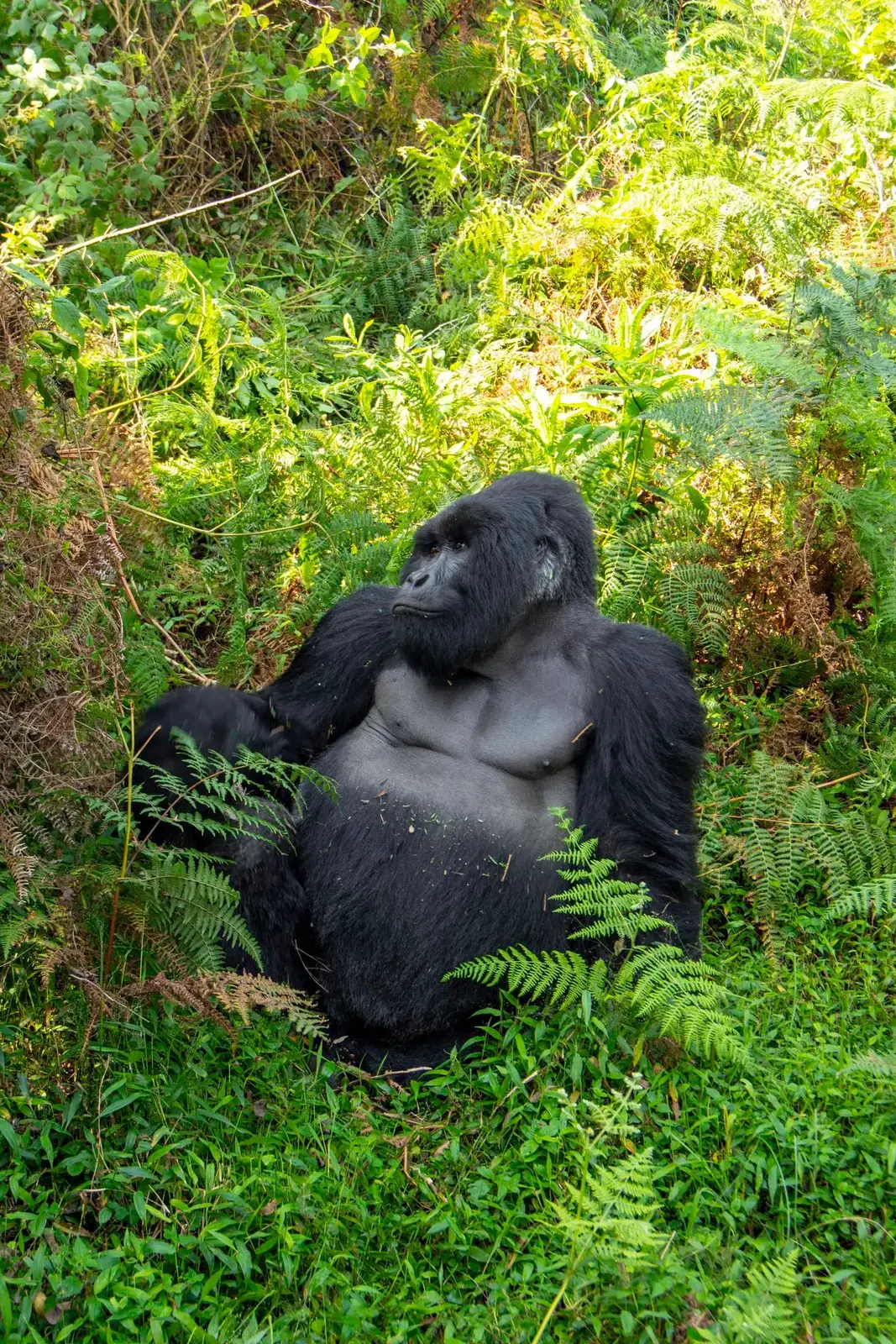
Expect an early breakfast, a short transfer to the park headquarters, and a briefing where you are grouped with up to seven other trekkers and assigned a gorilla family. Rangers lead, trackers go ahead to locate the family, and the group walks at a considerate, unhurried pace with rests whenever they are needed.
When you reach the family, day packs are set down, voices drop, and you have your hour. Then you retrace your route to the trailhead. The rangers manage everything: pace, safety, distance from the gorillas, and the timing of the precious hour.
Trekking with limited mobility or health concerns
Bwindi is more accessible than many travellers fear. Gentler sectors, a nearer gorilla family, a porter, and trekking poles open the experience to a wide range of fitness levels. For those who cannot manage the trek on foot, a sedan chair carried by a team of local porters can be arranged in advance for the harder sections.
If you have a heart condition, a recent injury, reduced mobility, or any other concern, tell us early and check with your doctor. The more we know, the better we can place you in a suitable sector and organise the right support before you arrive.
The Bwindi House Gorilla Safaris recommendation
Prepare honestly and the trek becomes one of the great walking experiences of your life. Do a little hill walking beforehand, pack good boots and waterproofs, hire a porter, and tell us the truth about your fitness so we can match you to the right sector and family. Then let the rangers carry the day.
Tell us your fitness and we will match the right sector and family
Send us a sense of your everyday fitness and any health concerns. We will recommend a suitable sector, arrange porters or a sedan chair if needed, and pace the whole journey so the trek feels like a privilege rather than a test.