What to pack for Bwindi
The Bwindi House Gorilla Safaris packing list for your Uganda gorilla journey. Essentials only, what to leave at home, and the gear that genuinely matters on a wet, steep forest trek.
- The one essential
- Broken-in waterproof boots with grip
- Always carry
- Waterproof jacket, even in dry season
- Clothing
- Long sleeves and trousers, muted colours
- Hands
- Gardening or work gloves
- Water
- Two to three litres per person
- Camera
- No flash, spare batteries, dry bag
- Avoid
- Bright colours and camouflage clothing
- Flight luggage
- Soft duffel, around 15 kg if flying
The short version of what to pack
Pack for a wet, steep, beautiful rainforest and you will not go far wrong. The essentials are few and they matter enormously: waterproof boots you have broken in, a reliable rain jacket, long sleeves and trousers in muted colours, gloves, and two to three litres of water. Everything else is comfort.
Bwindi House Gorilla Safaris lodges provide a great deal, from laundry to hot water bottles, so you can travel lighter than you might assume. The list below separates what genuinely matters on the trek from what simply makes the rest of the trip pleasant.
What you actually need on the trek
These are the items that earn their place on trek morning. If you pack nothing else well, pack these well.
- Waterproof, ankle-supporting boots, broken in
- Waterproof jacket and light rain trousers
- Long-sleeved top and long trousers, muted colours
- Gardening or work gloves
- Thick socks, plus a spare pair
- Two to three litres of water
- Trekking poles for the steep sections
- Insect repellent and sun protection
- A small dry bag for camera and phone
- Energy snacks and a packed lunch from the lodge
Clothing that works in the forest
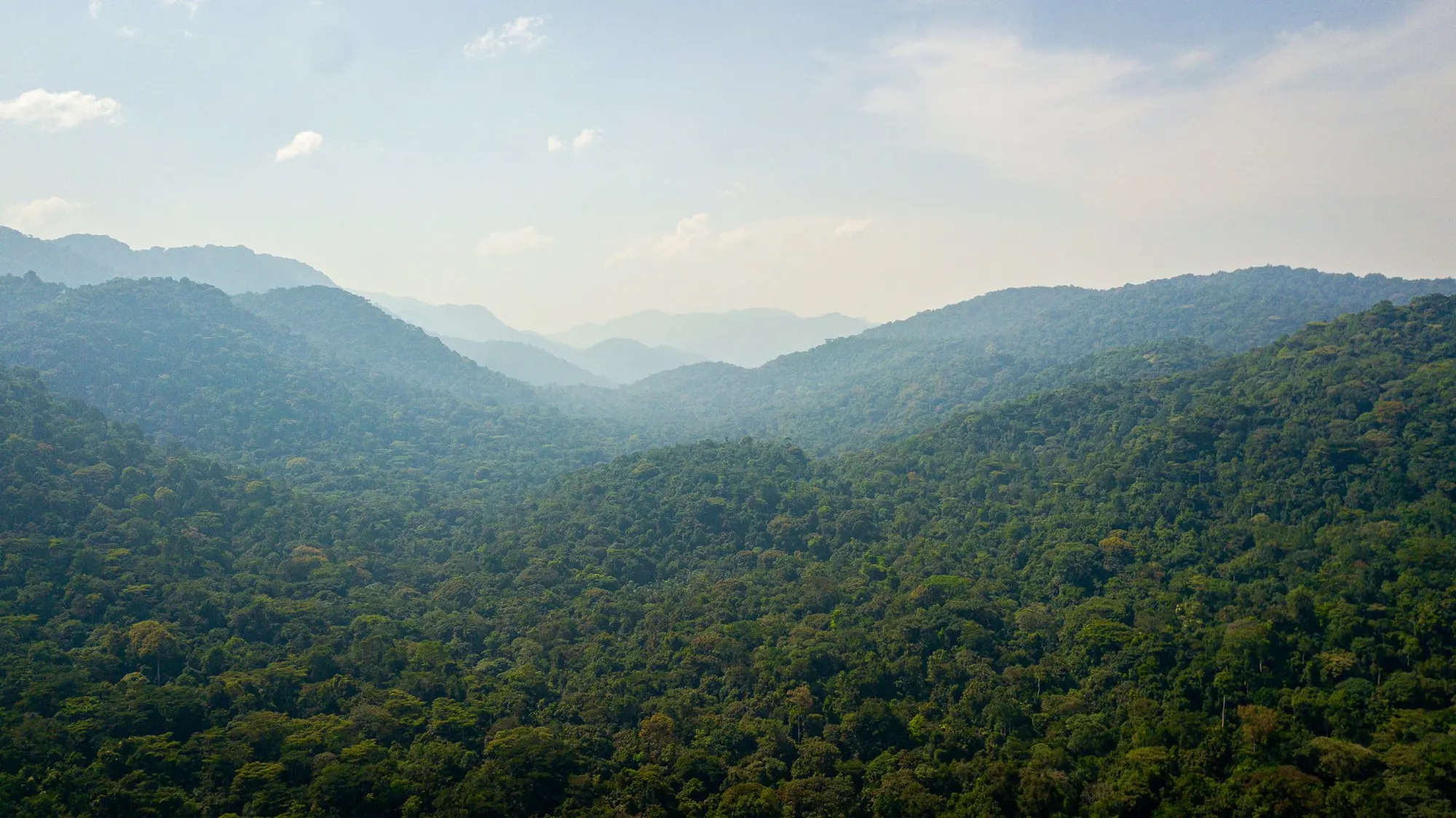
Dress in layers you can add and shed. Mornings in Bwindi are cool, the climbs are warm, and rain can arrive at any time. A breathable base layer, a long-sleeved shirt and a packable waterproof shell cover almost every situation. Long trousers tucked into your socks protect against stinging nettles, ants and scratches.
Choose muted, natural colours. Bright shades stand out unnecessarily, and camouflage clothing is restricted in Uganda because it is associated with the military, so leave it at home. Khaki, olive, brown and grey are ideal.
Boots, socks and looking after your feet
Your boots are the most important thing you will pack. They should be waterproof, supportive around the ankle, and aggressively gripped for muddy slopes. Most importantly, they must be broken in. New boots on a six-hour forest trek are a recipe for blisters. Wear them on your training walks for weeks beforehand.
Pair them with thick walking socks, carry a spare pair in your day pack, and consider gaiters in the wetter months to keep mud and ants out of your boots.
What goes in the day pack
A small, comfortable day pack of around twenty to thirty litres is plenty. Your porter can carry it on the trek, but pack it as though you might carry it yourself. Keep anything that must stay dry, camera, phone, spare layer, inside a dry bag or zip-lock bags.
- Water and a packed lunch
- Camera or phone, spare batteries, memory cards
- Dry bag or zip-lock bags
- Light spare layer and a hat
- Sun cream, lip balm and insect repellent
- Personal medication and a few plasters
- Hand sanitiser and tissues
- Cash for the porter fee and tips
Packing adjustments by season
| Drier months | Wetter months | |
|---|---|---|
| Months | Jun to Sep, mid-Dec to mid-Feb | Mar to May, Oct to Nov |
| Rain gear | Light packable shell | Heavier waterproof shell and trousers |
| Footwear | Waterproof boots | Waterproof boots plus gaiters |
| Extra layers | One spare layer | Multiple base layers, spare set of clothes |
| Mud kit | Optional gloves | Gloves and dry bags essential |
| Sun protection | Hat, cream, sunglasses | Still bring them, sun returns fast |
Whatever the season, the waterproof jacket stays in your day pack. Our guide to the best time to visit Bwindi explains how the months feel on the ground.
Documents, health and the small essentials
Carry your passport, travel insurance details that include emergency evacuation cover, and a copy of your gorilla permit, which we provide. A yellow fever vaccination certificate is required for entry to Uganda, and antimalarial precautions are strongly advised. Speak to a travel clinic well before you depart.
- Passport and visa or entry approval
- Travel insurance with evacuation cover
- Yellow fever vaccination certificate
- Antimalarials and personal medication
- A small personal first aid kit
- Spare glasses or contact lenses
What to leave at home
You will need far less than you think. Lodges offer laundry, so you can wash and re-wear trek clothing rather than packing a fresh set for each day. Leave behind camouflage clothing, single-use plastics where you can, drone equipment unless pre-cleared, and anything heavy you will not realistically use.
Uganda has restrictions on certain plastic bags, so favour reusable dry bags and pouches over disposable carrier bags.
A note on luggage and flights
For road-based journeys, a normal suitcase or duffel is fine. If your itinerary includes scheduled light aircraft to Kihihi or Kisoro, you will usually be limited to a soft-sided duffel of around fifteen kilograms including hand luggage. We confirm the exact allowance for your specific flights, and we can arrange to store anything surplus securely while you are in the forest.
The Bwindi House Gorilla Safaris recommendation
Pack light, pack for wet and steep, and prioritise your boots and rain jacket above everything else. Bring muted clothing, gloves, plenty of water and a dry bag for your camera. Trust the lodges for the comforts, and let us handle the logistics so your bag is exactly right for your route and season.
We will send a packing list tailored to your route and season
Share your travel dates and whether your journey is road-based or includes light aircraft. We will send a personalised packing list, confirm any luggage limits, and make sure you arrive in the forest with exactly what you need and nothing you do not.