Uganda Gorilla Permit Prices: Current UWA Tariffs
Current Uganda gorilla permit prices and the upcoming 2027 habituation increase explained. Standard, habituation, and low-season rates, booking rules, and how to secure yours. By Bwindi House Gorilla Safaris, Uganda's gorilla journey specialist.
- Standard trekking permit (foreign non-resident)
- USD 800 per person
- Gorilla habituation permit
- USD 1,500, rising to USD 1,800 on 1 January 2027
- Low-season permits (April, May, November)
- USD 600 per person
- Chimpanzee tracking permit (Kibale)
- USD 250 per person
- Payment
- Permits must now be paid in full at the time of booking
- At the gate
- All park payments are cashless
- Availability
- Sells out months ahead for peak season, June to September and December to February
- Issued by
- Uganda Wildlife Authority (UWA)
Uganda gorilla permit prices, kept honest and current
This is the current, plainly stated guide to what a Uganda gorilla permit costs as of July 2026, written by a Uganda-based specialist rather than copied from a brochure. The year 2026 brought significant changes to how permits are priced and booked, and the gorilla habituation permit increases from USD 1,500 to USD 1,800 on 1 January 2027. If you are planning a trek, understanding the landscape now, before you commit, genuinely matters.
We will keep this useful rather than salesy. Below you will find the exact rates for every permit category, who pays what, the 2027 increase explained without pressure, the new payment rules at the park, and where your money actually goes. Permits are the one fixed cost of a gorilla journey and the most constrained part of the whole trip, so it is worth getting right.
What a gorilla permit actually is
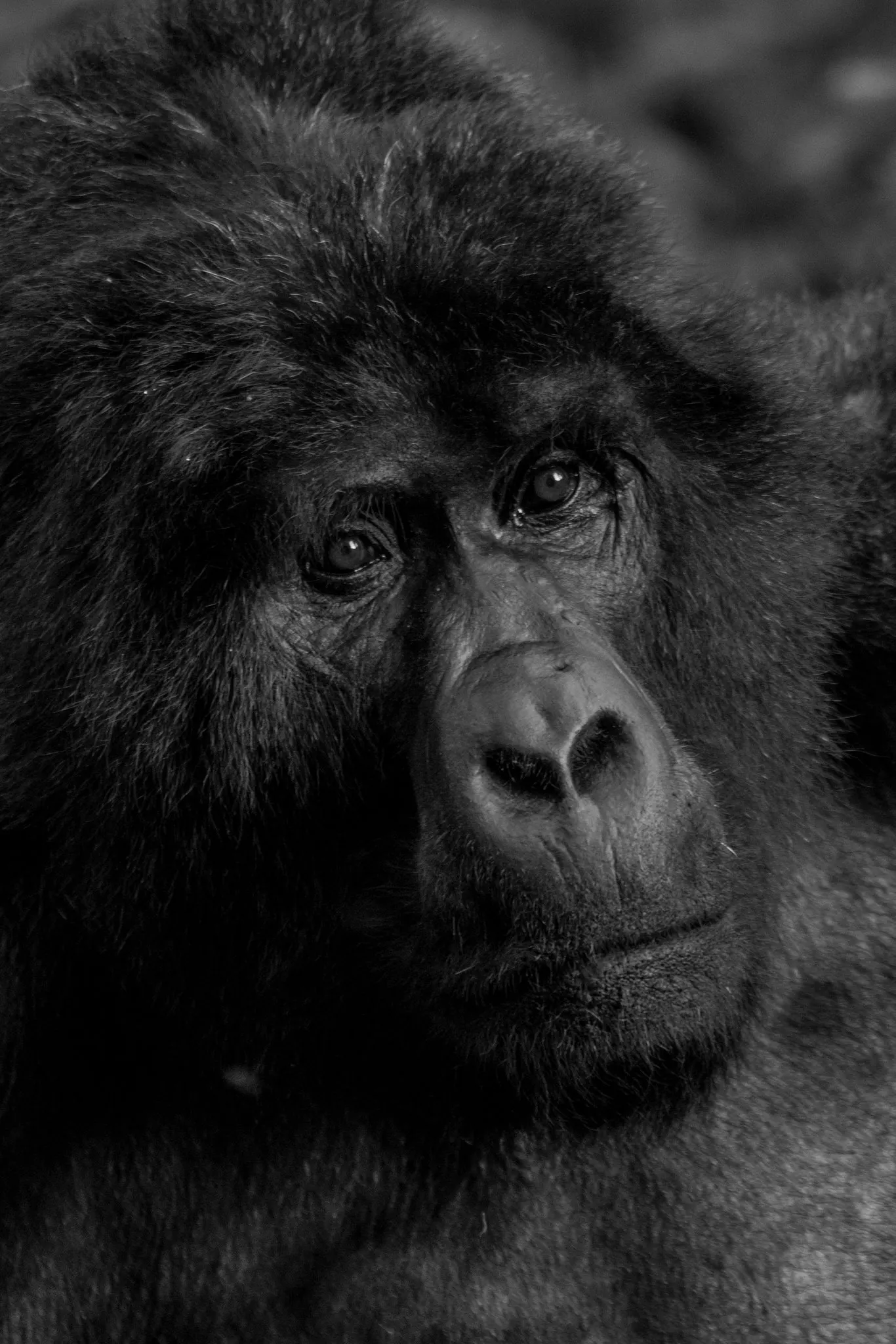
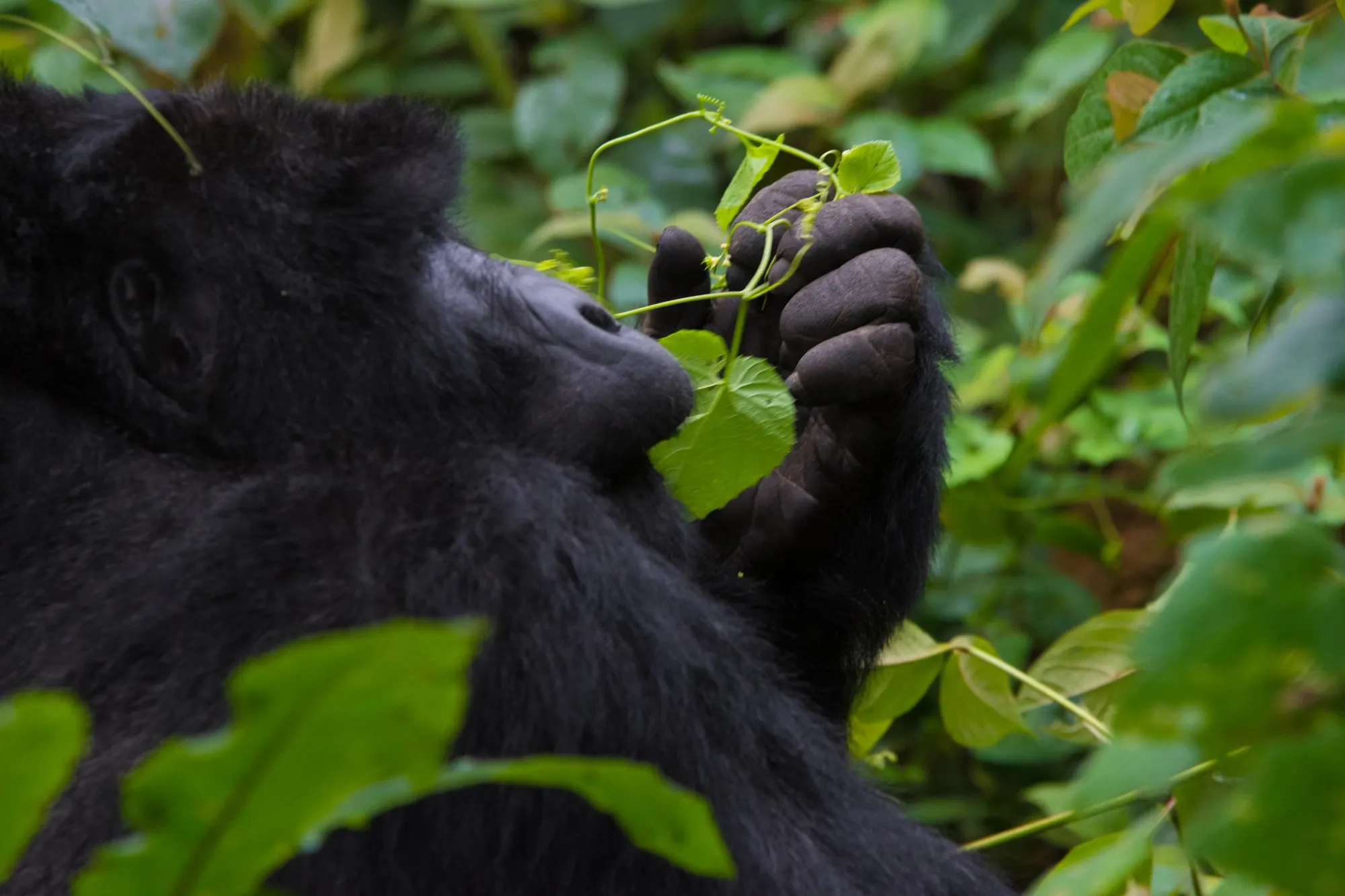
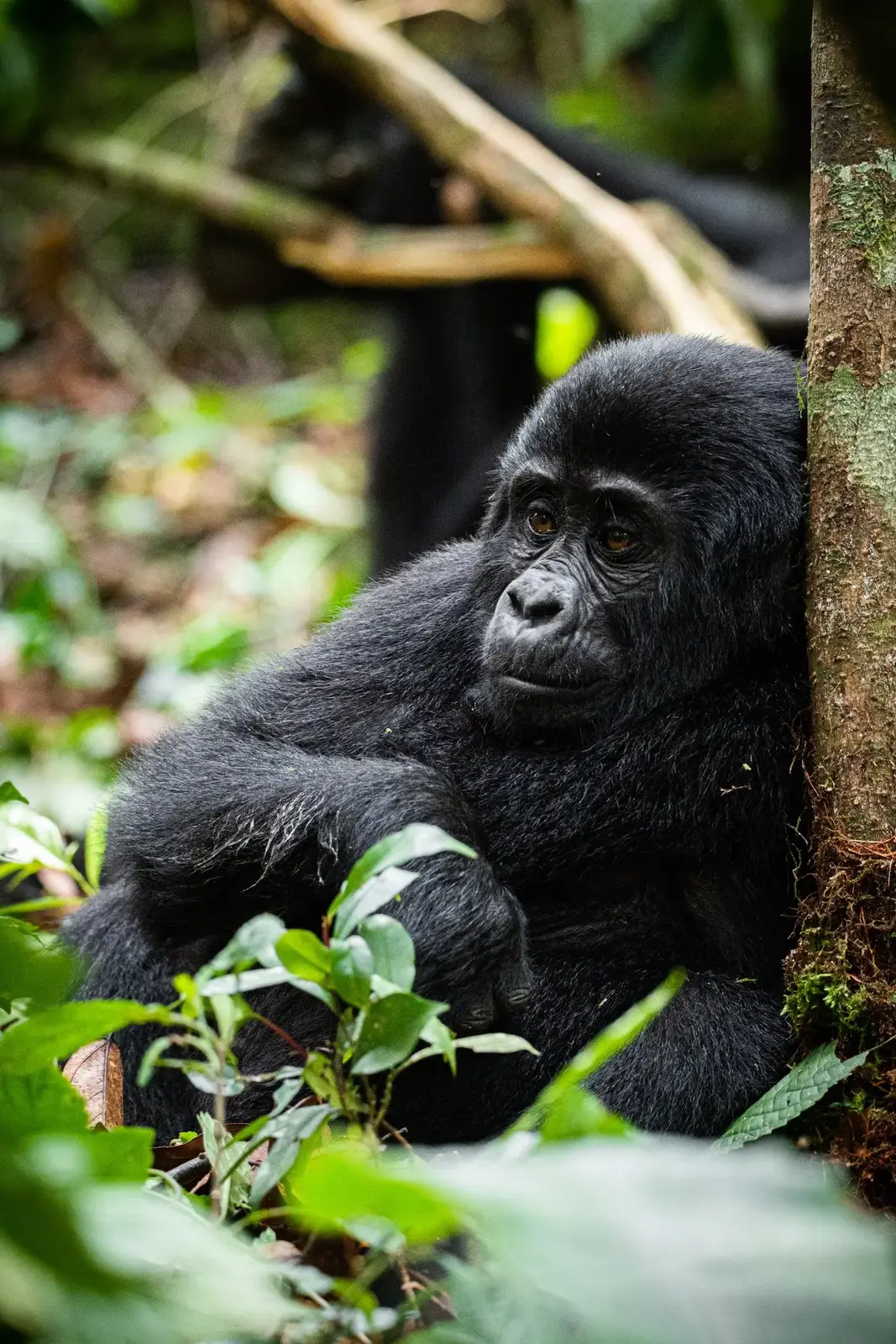
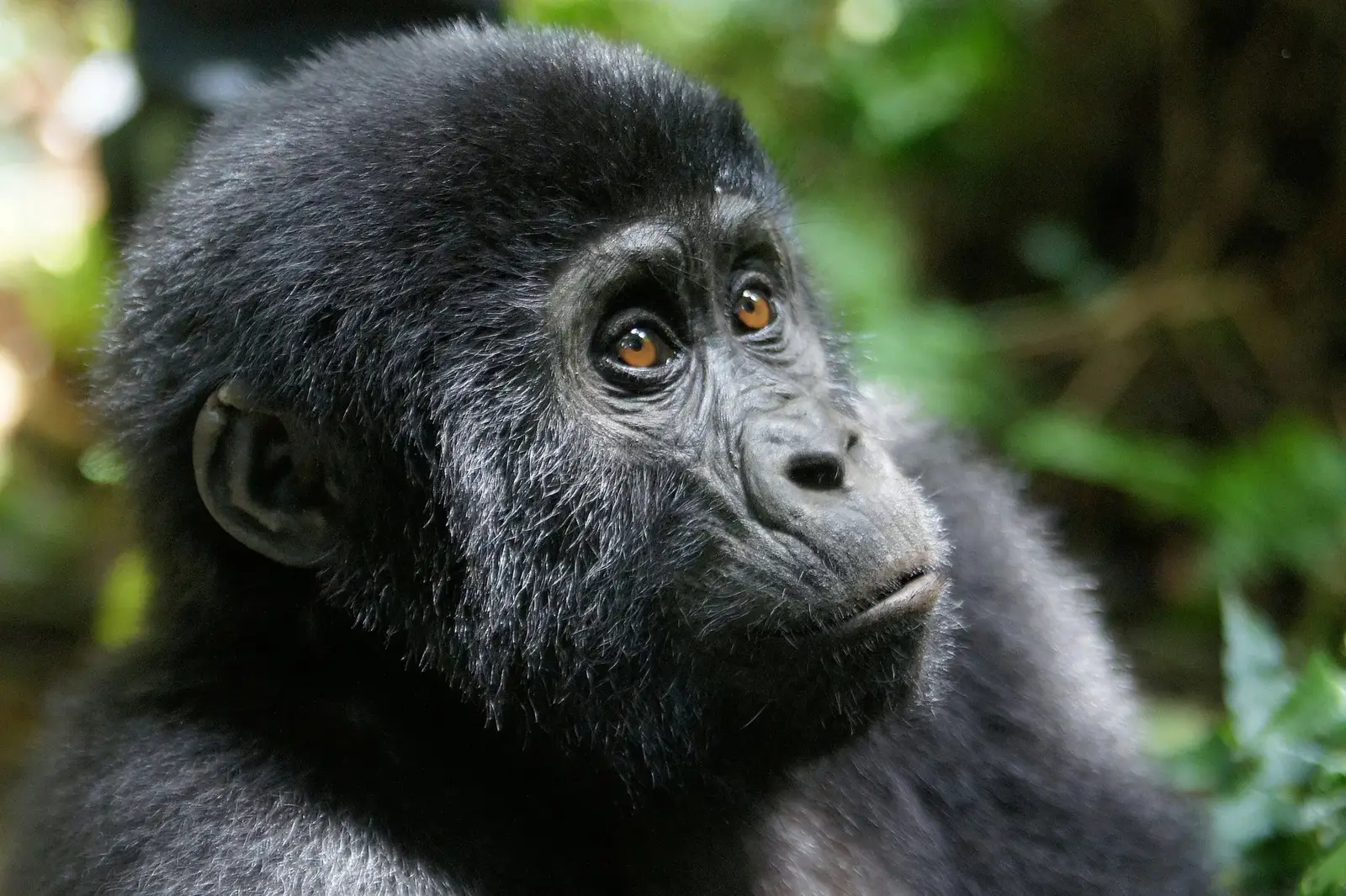
A Uganda gorilla permit is a legal authorisation issued by the Uganda Wildlife Authority, the UWA, that allows one person to trek to a habituated mountain gorilla family and spend one hour in their presence. It is the single document that grants regulated, professionally led access to the forest on a specific day, in a specific sector.
The permit covers park entry for the trek day, an armed ranger guide and tracking team, allocation to a gorilla family, and the one hour with the gorillas once contact is made. It does not cover accommodation, transport, porter fees, meals, or tips. One permit, one person, one trek. Everything else that makes a journey comfortable sits outside the permit and is composed around it.
Current permit prices
| Permit type | Foreign non-resident | Foreign resident | East African citizen |
|---|---|---|---|
| Standard gorilla trekking | USD 800 | USD 700 | UGX 300,000 |
| Gorilla habituation (Rushaga only) | USD 1,500 | USD 1,000 | UGX 750,000 |
| Low-season trekking (Apr, May, Nov) | USD 600 | USD 500 | reduced |
| Chimpanzee tracking (Kibale) | USD 250 | USD 200 | UGX 150,000 |
The headline figure to plan around is USD 800 for a standard gorilla trekking permit. The Foreign Non-Resident rate applies to most international visitors, that is, anyone not holding Ugandan or East African residency. Foreign Resident rates apply to those with valid Ugandan or East African work or residence permits, and the East African Citizen rate applies to nationals of the East African Community, paid in Ugandan shillings.
The habituation permit at USD 1,500 buys a longer, research-style session and is offered only in Rushaga. The low-season trekking permit at USD 600 applies in April, May and November. Chimpanzee tracking in Kibale, often paired with a gorilla journey, is USD 250.
The 2027 price increase, explained honestly
Effective 1 January 2027, the gorilla habituation permit rises from USD 1,500 to USD 1,800 for foreign non-residents. The standard trekking permit remains at USD 800 for now. This is the most important change on the horizon for anyone weighing up the longer habituation experience.
We would rather tell you the truth than push you, so here it is as a fact worth knowing. If you are specifically planning a habituation experience in Rushaga, booking before 1 January 2027 secures the USD 1,500 rate before the increase takes effect. If your dates fall in 2027 regardless, then the USD 1,800 rate simply becomes the new baseline to plan around. Draw your own conclusion. We will quote whichever rate genuinely applies to your dates, not the one that suits us.
Habituation permit: USD 1,500 in 2026, USD 1,800 from 1 January 2027.
Standard trekking permit: USD 800, unchanged at present.
The low-season opportunity
April, May and November are Uganda's wetter green-season months, and UWA discounts the standard trekking permit to USD 600 rather than USD 800 in this window. For travellers with flexibility, this is the best value on the calendar.
To be honest about the trade-off: it rains more in these months. But Bwindi rain is usually intense and brief, a heavy burst followed by clear forest, rather than steady all-day drizzle. The trails are muddier, yet the forest remains entirely trekable, and the canopy is at its lushest and most photogenic. You gain a lower price, greener forest and more availability, and you give up the drier, firmer trails of peak season.
How UWA permits are booked now
Two changes to how UWA permits are booked took effect in 2026, and both are worth understanding before you plan.
Permits must be paid in full at booking
The old seven-day soft-hold reservation window has been removed. Previously an operator could place a short hold on a permit while a traveller decided. That is gone. A permit is now only secured once it is paid in full at the time of booking. The change prevents permit hoarding and ensures spots go to travellers with confirmed plans, which is fairer, but it means hesitation can cost you a date in peak season.
All park payments are cashless
Park gate payments are now fully cashless. Permit payments must be cleared through a licensed tour operator before arrival, and cash is not accepted at the gate. In practice this means your permit is arranged, paid and confirmed in advance, so there is nothing to settle on the morning of your trek beyond tips and porter fees.
The four sectors of Bwindi
You no longer book a specific gorilla family, you book a sector, and UWA allocates your family on the morning of the trek. Bwindi has four trekking sectors, and the right one depends on your fitness, your interests and the lodge you want to stay in.
| Sector | Region | Character |
|---|---|---|
| Buhoma | North | The classic sector. Gentler trails, established luxury lodges, the most accessible base for first-time travellers. |
| Ruhija | East | The highest elevation, cooler air, and the sector most favoured by birdwatchers combining gorillas with forest birding. |
| Rushaga | South | The most gorilla families, and the only sector offering the longer habituation experience. |
| Nkuringo | South | The most dramatic views and the steepest, most athletic trails, for trekkers who want a physical challenge. |
The simplest rule is that your lodge should sit in the same sector you trek in. Crossing sectors on the morning of a trek turns a manageable day into a very long one. Our destinations guide covers each sector and its lodges in more detail.
How the permit fits into the total cost
The permit is one component of a gorilla journey, not the whole price. The total also includes accommodation, private transport or a fly-in, a dedicated guide, meals, and a porter on the trek. The permit is the fixed conservation cost that does not change with how you travel. Everything else varies with the comfort, pace and routing you choose.
We do not publish a single hard total here because an honest figure depends on your dates, your sector, your lodge and your group size. What we can say is that the permit anchors the budget, and the rest is built around it. For a full, worked breakdown, see our gorilla trekking cost guide, or browse our composed journeys where the permit is already included in every price.
Why the permit costs what it costs
It is fair to ask why a single hour with a gorilla family costs USD 800. The honest answer is that the permit is not an entry fee, it is the cost of keeping the gorillas alive, and Uganda is transparent about where the money goes.
- Round-the-clock monitoring of each habituated family by tracking teams
- Armed rangers who patrol the forest and remove poacher snares
- Veterinary care and emergency intervention when a gorilla is injured or ill
- Habitat protection across Bwindi Impenetrable National Park
- A 20 percent share of permit revenue directed to local communities
- Community schools, clinics and projects funded by that revenue share
That community share matters more than it sounds. When the people living beside the forest see direct benefit from the gorillas, conservation stops being something imposed on them and becomes something they protect. The permit funds the rangers, the monitoring and the schools at once. This is the part of the story most competitor pricing pages leave out, and it is exactly why we lead with it.
How to secure a permit
Because of the no-hold rule, a permit is only yours once it is paid. The process is straightforward when handled by a licensed operator. We check real-time availability with UWA for your dates and sector, confirm the exact rate that applies, secure the permit on your behalf once you confirm, and handle the cashless payment so nothing is left to settle at the gate.
Peak season, June to September and December to February, books months ahead, and habituation in Rushaga books earliest of all. If your dates are firm, the single most useful thing you can do is check availability early. You can contact our team directly, and we are happy to check with no obligation, and to tell you plainly if your preferred window is already tight.
Speak to us about permit availability for your dates
Tell us your travel window, your preferred sector, and whether you are leaning trekking or habituation. We will check current availability and the rate that applies, and come back with an honest recommendation. No pressure, and no hold without your say-so.