Uganda gorilla tours, composed with intent
Private Uganda gorilla tours from Uganda's gorilla journey specialist. Bwindi gorilla trekking and Rushaga habituation, permits secured, sectors matched, lodges chosen, and curator support throughout.
- Where
- Bwindi Impenetrable and Mgahinga, Uganda
- Trekking sectors
- Buhoma, Ruhija, Rushaga, Nkuringo
- Standard permit
- USD 800 per person, foreign non-resident
- Habituation permit
- USD 1,500, rising to USD 1,800 in 2027
- Time with gorillas
- One hour trekking, up to four habituating
- Best months
- June to September, December to February
- Tour style
- Private only, composed for one party
- Typical tour from
- Around USD 5,000 per person
Uganda gorilla tours, the honest version
A Uganda gorilla tour is, at heart, a single extraordinary hour. You climb through one of the oldest rainforests in Africa, you find a family of wild mountain gorillas, and for sixty minutes you stand quietly inside their world. Everything else on this page exists to make that hour possible, unhurried and right.
This is the hub for planning that journey properly. Below you will find the essentials, the permit, the sectors, the seasons, the fitness, the cost, and how Uganda compares with Rwanda, each linked to a deeper guide. We do not run a catalogue of identical departures. We keep a small collection of private journeys and compose each one by hand, because that is the only way to do this experience justice.
Why Uganda is the home of gorilla trekking
Of the roughly one thousand mountain gorillas left on earth, around half live in Uganda, almost all of them in Bwindi Impenetrable National Park. That concentration gives Uganda the most habituated families, the widest choice of trekking sectors, and the only place in the world where you can book the gorilla habituation experience and spend up to four hours in the field rather than one.
Uganda also rewards the traveller who wants more than gorillas. Chimpanzees in Kibale, golden monkeys in Mgahinga, tree-climbing lions in Ishasha, the shoebill in the wetlands, and the Nile at Murchison all sit within one composed route. A gorilla tour here can be a single focused journey or the centrepiece of a far larger Uganda safari.
The permit decides everything
A Uganda gorilla tour begins with a permit, not a date. The Uganda Wildlife Authority issues a fixed number of permits per gorilla family per day, and each permit names a specific sector and a specific date. Secure the permit first, and the rest of the trip, the lodge, the route, the timing, is built around it. Try to do it the other way around in peak season and you may find there is no permit left to buy.
The standard trekking permit is USD 800 per person for foreign non-residents. The habituation permit is USD 1,500, rising to USD 1,800 on 1 January 2027. We cover how permits are allocated, who qualifies for resident rates, and how the new cashless booking rules work in our two permit guides.
| Standard trekking | Habituation | |
|---|---|---|
| Price, foreign non-resident | USD 800 | USD 1,500 (USD 1,800 from 2027) |
| Time with gorillas | One hour | Up to four hours |
| Where | All four Bwindi sectors | Rushaga sector only |
| Best for | First trek, most travellers | Photographers, repeat visitors |
Read next: Uganda gorilla permits explained and current UWA permit prices.
Where you actually trek: Bwindi's sectors
Bwindi is not a single trailhead. It is a vast forest split into four trekking sectors, each with its own families, its own character, and its own access. Buhoma in the north is the classic, easiest choice. Ruhija to the east is the high, quiet birding sector. Rushaga in the south has the most families and the habituation experience. Nkuringo, also in the south, is the most dramatic and demanding. The smaller Mgahinga park adds a fifth option.
Because your permit is tied to one sector, and the sectors are hours apart on mountain roads, the cardinal rule is that the lodge always sits in the same sector as the permit. Explore each sector on our destinations pages: Buhoma, Ruhija, Rushaga, Nkuringo and Mgahinga.
For a focused, keyword-by-keyword guide to each sector, with its families, permits, terrain and where to stay, see our dedicated sector pages: Buhoma gorilla trekking, Ruhija gorilla trekking, Rushaga gorilla trekking and Nkuringo gorilla trekking.
Standard trekking or the habituation experience
Most travellers do standard gorilla trekking: you hike to a fully habituated family and spend one carefully protected hour with them. It is, for almost everyone, the right and complete experience. The habituation experience, offered only in Rushaga, is the deeper option. You join the trackers and researchers with a family still being accustomed to people, and you stay in the field for up to four hours.
Habituation suits photographers and repeat visitors who want time over convenience, and it costs more and asks more of your legs. If you are weighing the two, our dedicated comparison lays out exactly what each gives you: gorilla trekking vs habituation.
When to take a Uganda gorilla tour
Trekking runs all year, so the real question is not whether you can go but what you are trading. The drier months, roughly June to September and December to February, bring firmer trails and the strongest demand, so permits and the best lodges sell out first. The greener months bring rain, mud, and genuinely beautiful light, with more permit availability and often better value.
There is no bad time, only the season that fits your priorities. We plan month by month in our best time to visit Bwindi guide.
Fitness, terrain and what to pack
The honest truth about the trek is that it is unpredictable. You go where the gorillas are, and that can mean one gentle hour or six steep, muddy ones at altitude. You do not need to be an athlete, but reasonable fitness in the months before you travel transforms the day from an ordeal into a joy. A porter, available everywhere, carries your pack and steadies you on the climbs.
Getting your body and your bag ready is the most controllable part of the whole trip. Start here: fitness and the Bwindi trek and what to pack for Bwindi.
You do not choose your trek's difficulty on the day. You influence it months earlier, by getting fit, by choosing the right sector, and by arriving ready for the forest you chose.
What a Uganda gorilla tour really costs
A permit is only part of the picture. A complete private tour also pays for the lodge, a private guide and vehicle, park fees, transfers and the curation that holds it together. A short, focused Bwindi journey typically starts from around USD 5,000 per person, and the figure rises with length, lodge level, and the number of permits or species you add.
We believe in showing where the money goes rather than hiding it inside a single headline price. Our cost guide gives a full, itemised breakdown with a worked example: gorilla trekking cost in Uganda.
Uganda or Rwanda for gorilla trekking
The two great gorilla destinations suit different travellers. Uganda offers more families, a far lower permit price, the only habituation experience, and the stronger case for combining gorillas with a wider safari. Rwanda offers shorter access from Kigali and a faster, more polished trip, at a notably higher permit price. One is not better than the other, they answer different briefs.
We weigh both sides honestly, because the right answer depends on you, in our Uganda vs Rwanda gorilla trekking guide.
A few private journeys, composed with care
We do not list dozens of interchangeable tours. We keep a small, deliberate collection of private journeys, each one a starting point we will tailor to your dates, your fitness and your interests. A short Bwindi trek, the deeper Rushaga habituation, a wider primate journey, or the flagship country circuit: choose the shape, and we compose the detail.
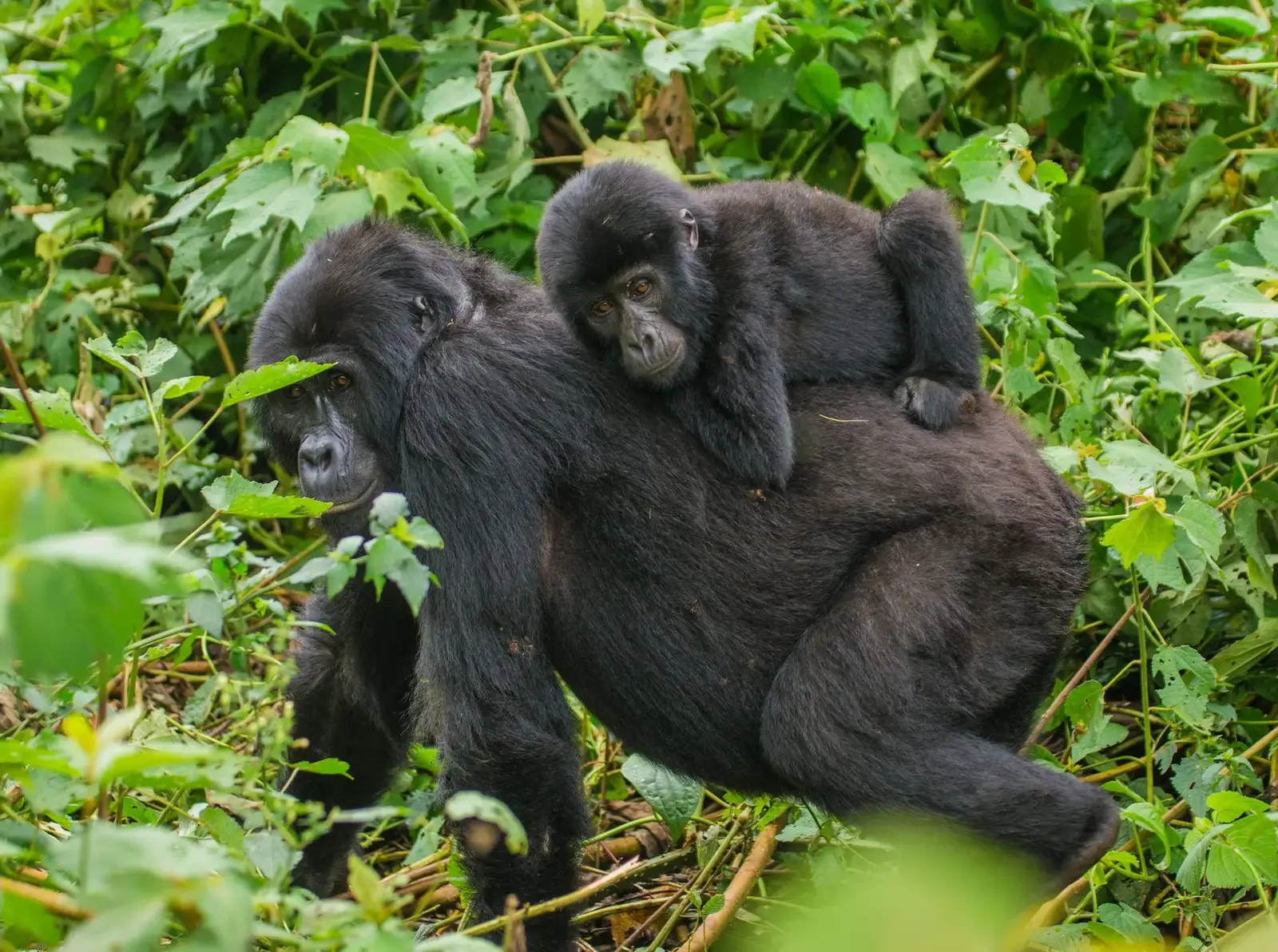
The Bwindi Encounter
Our essential gorilla journey. Four days, three nights, nothing wasted.
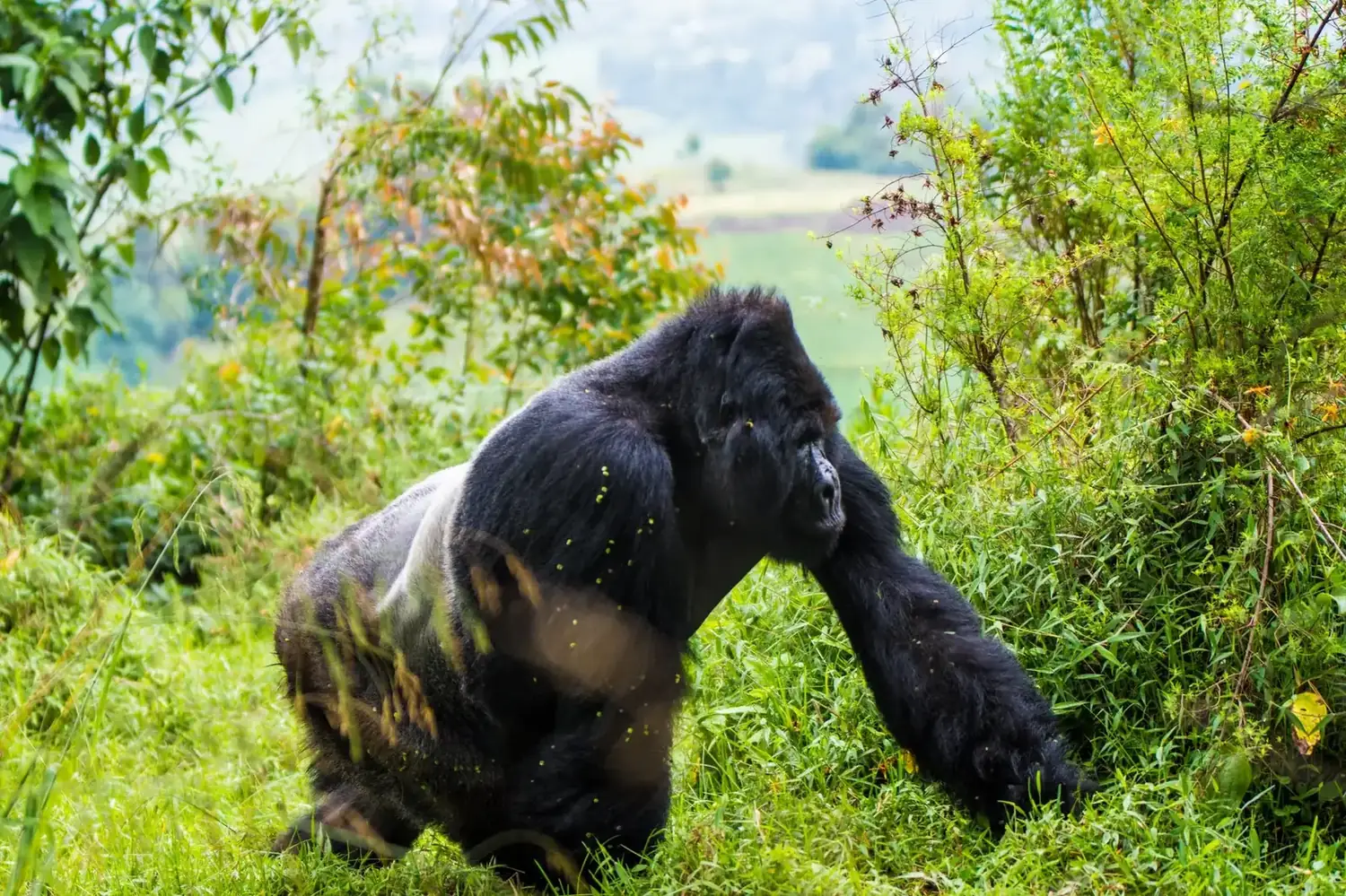
The Habituation Experience, Rushaga
The deeper gorilla product in Bwindi's southern Rushaga sector. Road journey, one UWA habituation permit included. Second permit and fly-in routing quoted separately.
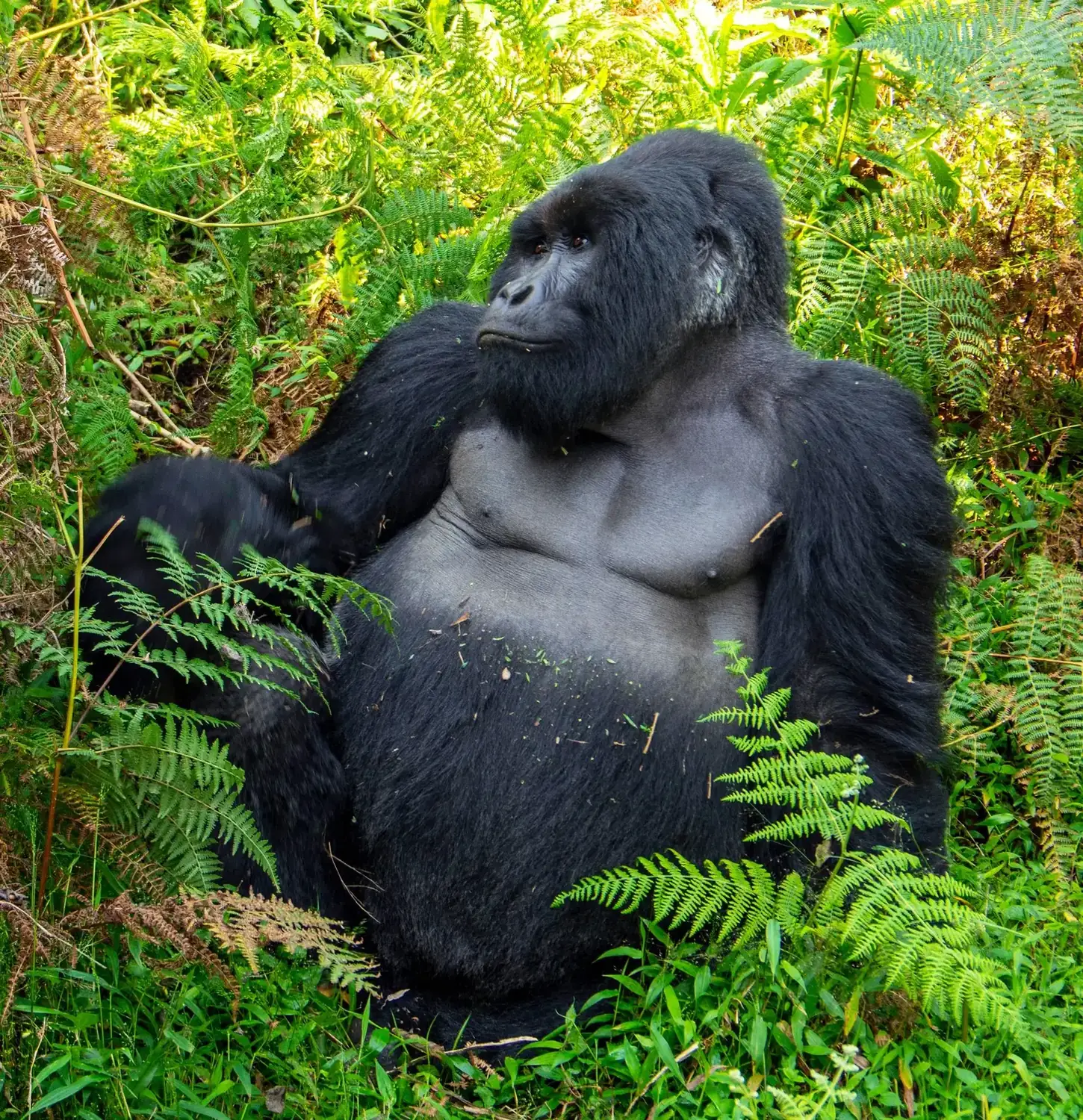
Uganda's Iconic Five
Mountain gorilla, shoebill stork, tree-climbing lion, wild white rhino, chimpanzee. The flagship country journey.
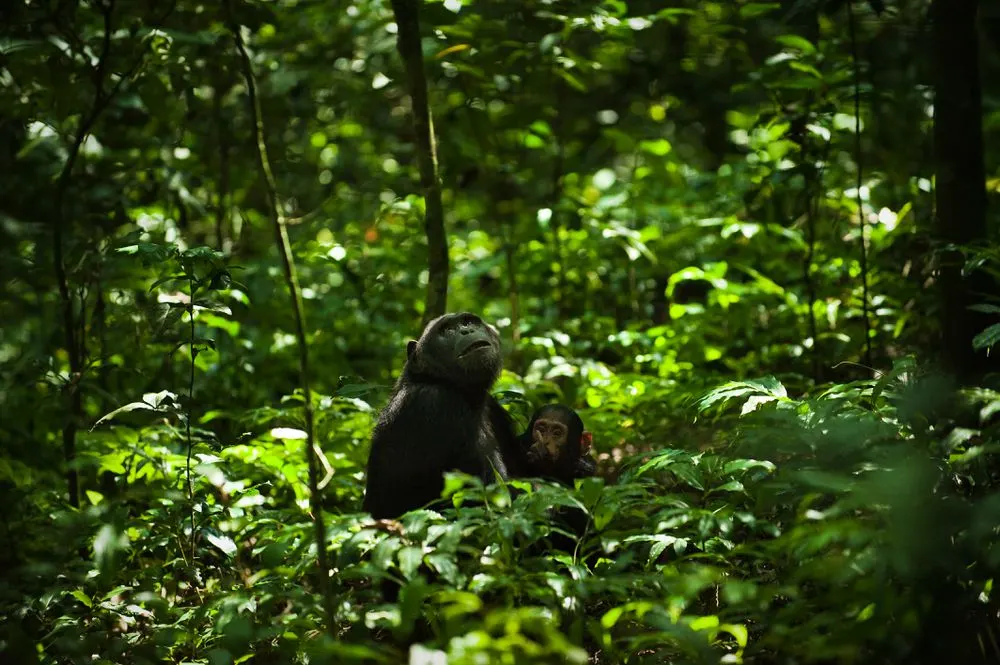
Primate Kingdom
Three forests. Three primate worlds. Gorillas, chimpanzees, and golden monkeys in one composed Uganda journey.
These are a selection. See every private journey, including honeymoon, family and adventure routings, on the full collection page, or tell us what you have in mind and we will build something for you alone.
Conservation, built into every tour
Mountain gorillas exist today because tourism gives them measurable value. Every official UWA permit funds park protection and anti-poaching work, and a share goes directly to the communities living alongside the forest. Choosing a properly permitted, conservation-led tour is not a soft extra, it is the mechanism that keeps these families alive.
We use only official permits, Ugandan guides, and community-linked lodges, and we build conservation moments into our journeys rather than bolting them on. You can read how we approach this on our conservation impact page.
How a Bwindi House Gorilla Safaris tour comes together
There are no call centres and no surprise add-ons. You tell us your travel window, your fitness and what you want from the trip. We check live permit availability, recommend the sector and family with reasons, secure the permit, place the right lodge inside that sector, and compose the route around it. One curator stays with you from the first email to the forest edge.
See the full, unhurried process in how booking works, and read the permit terms, including how UWA cancellations and tiered refunds actually work, in our cancellation and refunds guide.
Let us compose your Uganda gorilla tour
Send us your travel window, your fitness, and whether you want standard trekking or habituation. We will check permit availability, recommend the right sector, and build a private journey around you, not around a fixed departure.